Biloxi Blueberry Plant: Growing Requirements and Care Guide

Introduction
The Biloxi Blueberry is a highbush variety that offers a blend of ornamental beauty and culinary value. Developed in 1998 by USDA-ARS scientists to diversify germplasm, this plant is distinguished by its unique genetics and adaptability, making it a premier choice for gardeners seeking a resilient, flavorful, and attractive blueberry. Successful cultivation requires understanding the specific needs of this variety—particularly its preference for acidic soils, requirement for a suitable pollinator, and sensitivity to environmental factors like pollution. This guide outlines the precise growing requirements and care protocols necessary to ensure the Biloxi Blueberry thrives.
Plant Overview and Characteristics
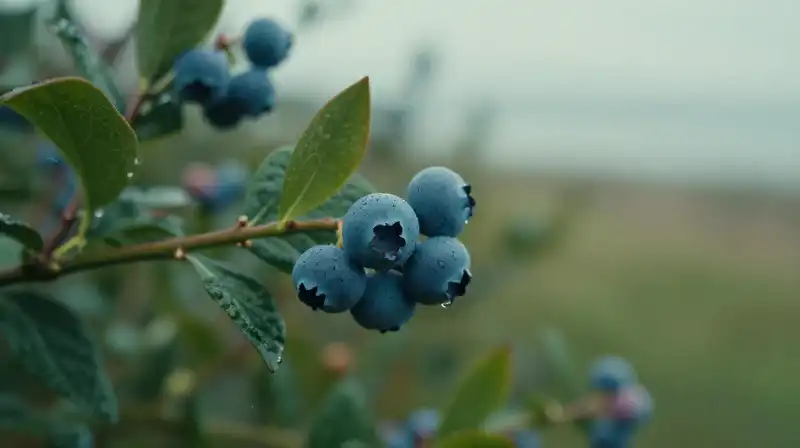
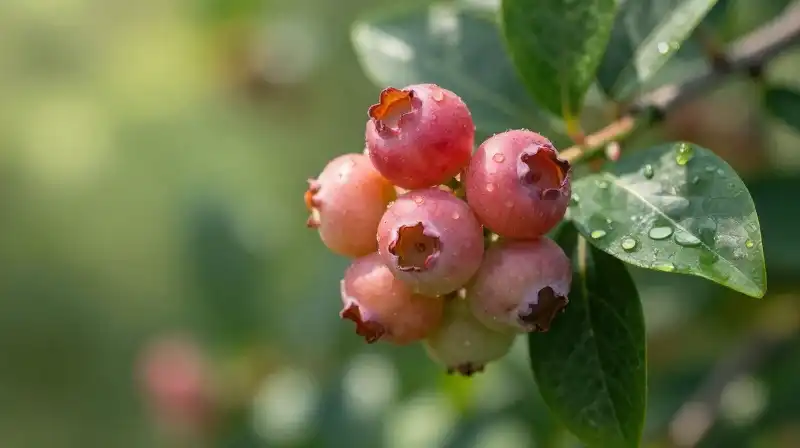 The Biloxi Blueberry is a multi-stemmed, deciduous shrub that exhibits an upright spreading growth habit. According to USDA-ARS records, it matures to approximately 5 feet in both height and spread. This variety is highly valued for its ornamental qualities, displaying dainty white bell-shaped flowers in mid-spring that transition into vibrant red flower buds. As the season progresses, it produces magnificent powder blue berries, ready for harvest from mid to late summer. Beyond its fruit, the shrub boasts striking foliage that transitions seasonally: displaying bluish-green tones during the growing season and turning an outstanding orange in the autumn. The Biloxi Blueberry is an adaptable shrub used both for its fresh edible fruit (suitable for cooking, baking, and preserves) and for its aesthetic appeal in the landscape.
Optimal Environmental Conditions
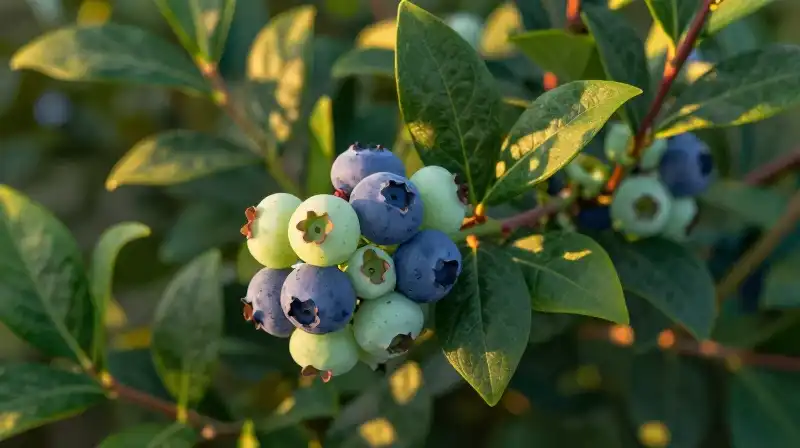 Successful growth of the Biloxi Blueberry is highly dependent on environmental variables, specifically sunlight, soil chemistry, and air circulation.
Light and Airflow Requirements
The plant requires full sun to partial shade and thrives in environments with ample airflow. While it can tolerate diverse climates including sub-tropical regions, its ability to set fruit is maximized when placed in a location receiving adequate light and protection from dense, still air.
Soil pH and Composition
The most critical factor for Biloxi Blueberry health is soil acidity. The plant requires sandy, acidic soil with a pH between 4.5 and 5.5. It is sensitive to alkaline conditions, as these can lead to leaf chlorosis. The soil must also be well-draining to prevent waterlogging, a condition in which the plant performs poorly.
Planting the Biloxi Blueberry
Whether planting the Biloxi Blueberry in the ground or in a container, preparation involves specific steps to ensure a proper foundation.
Ground Planting Procedure
For in-ground cultivation, the planting hole should be dug to a depth of at least 12 inches and a diameter of 24 inches. Before placing the plant, the soil must be amended. A robust mixture consisting of compost, peat moss, and specialized potting mix formulated for acid-loving plants is required. Importantly, avoid mixing any fertilizer directly into the planting hole or during the backfilling process, as this can damage the delicate root system.
Container Cultivation Considerations
When using pots, a well-draining potting mix high in organic matter is recommended. If growing in containers, avoid using terracotta pots, as they are known to draw too much moisture away from the plant, which can cause dehydration.
Pollination and Plant Density
The Biloxi Blueberry is a pollinator-dependent species that requires cross-pollination to set fruit successfully. To achieve this, it is strongly recommended to plant at least two different varieties of the blueberry in close proximity. Although these plants can be planted in relatively close proximity, ensuring genetic diversity between plants is key to effective pollination.
Maintenance and Long-Term Care
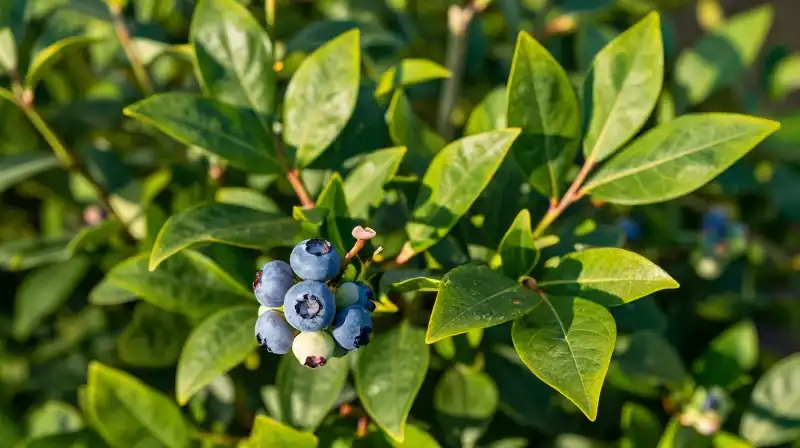 The Biloxi Blueberry is considered a low-maintenance shrub, but maintaining its health requires attention to specific conditions and long-term needs.
Water and Winter Protection
The plant thrives in average to evenly moist, non-waterlogged conditions. While it has a medium growth rate and can live for approximately 30 years, it typically benefits from a thick layer of mulch around the root zone during the winter months to retain moisture and protect the soil.
Pruning and Environmental Limits
The Biloxi Blueberry generally looks best without formal pruning and will tolerate light shaping. However, it is important to recognize its limitations: the plant is intolerant of urban pollution and performs best when situated in a sheltered location.
Practical Tips for Successful Cultivation
To maximize the success of your Biloxi Blueberry, prioritize soil science and placement over heavy fertilization.
| Area of Focus | Critical Requirement | Practical Action |
|---|---|---|
| Soil Chemistry | Acidic pH (4.5–5.5) | Amend soil with peat moss and organic matter before planting. |
| Cross-Pollination | Requires multiple genetic sources | Plant at least two different blueberry varieties in close proximity. |
| Environmental Health | Sensitivity to pollutants/alkalinity | Avoid planting near high-pollution areas and monitor soil pH regularly. |
| Winter Prep | Moisture retention | Apply a thick layer of mulch over the root zone prior to the cold season. |
| The Biloxi Blueberry offers a rewarding combination of vibrant colors, ornamental appeal, and edible fruit. By ensuring the soil remains acidic, providing ample sunlight and airflow, and managing the necessity for cross-pollination, you can cultivate this variety to its full ornamental and productive potential. |
How to Cultivate the Biloxi Blueberry
Prepare Acidic Soil
Amend the planting area with a robust mixture of compost, peat moss, and specialized potting mix to ensure an acidic soil pH between 4.5 and 5.5.
Plant the Shrub
Dig a planting hole 12 inches deep and 24 inches wide, placing the plant in the hole after soil amendment, avoiding the addition of fertilizer directly into the planting area.
Ensure Pollination
To successfully set fruit, plant at least two different varieties of the blueberry in close proximity to achieve necessary cross-pollination.
Optimize Placement
Place the shrub in a location that receives full sun to partial shade and provides ample airflow, ensuring it is sheltered from high urban pollution.
Manage Watering and Care
Maintain average to evenly moist, non-waterlogged conditions throughout the growing season, allowing the shrub to thrive in diverse climates.
Provide Winter Protection
Apply a thick layer of mulch around the root zone during the winter months to help retain moisture and protect the plant from cold conditions.
Related Articles