Growing the Apostle Iris: Shade, Watering, and Fertilizer Tips

Introduction
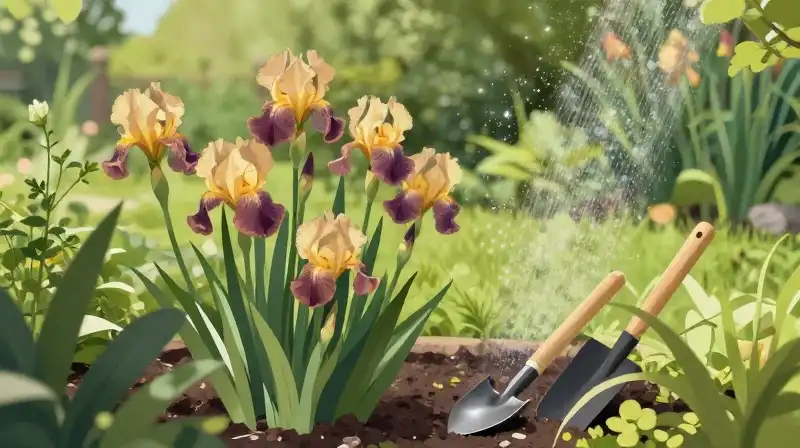
The Apostle Iris, scientifically often identified within the genus *Neomarica*, is a striking perennial prized for its glossy, evergreen foliage and single-day blooms. While the species exhibits varied colors—from vibrant yellows with mahogany markings to crisp whites with blue accents—it is the unique growth habit that defines its charm. Known as the Walking Iris or “Poor Man’s Orchid,” this plant is characterized by new plantlets emerging at the tip of fallen flower stalks, bending to the ground, and establishing new roots. Successfully cultivating the Apostle Iris requires attention to its subtropical preferences, particularly regarding moisture, light, and soil health.
Optimal Light and Temperature for Apostle Iris
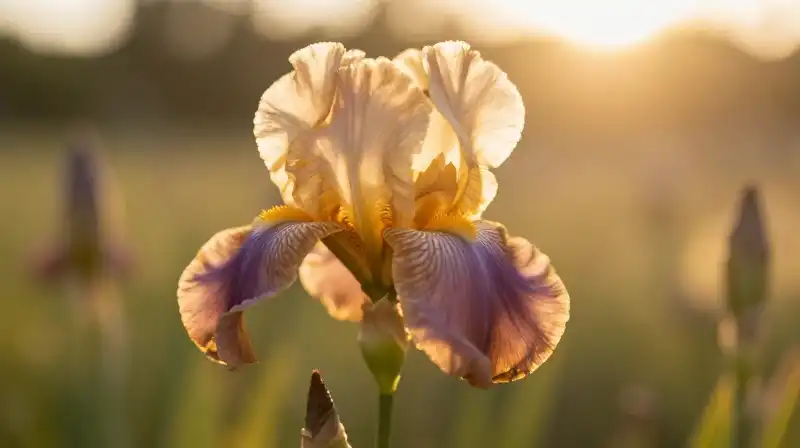 Apostle Iris varieties thrive in environments that provide dappled light. They are not plants that require direct, harsh sunlight; instead, they flourish in partial to full shade. Placing them in areas where they receive strong, uninterrupted sun can scorch the foliage and cause stress, while a well-shaded location allows the glossy green leaves to remain healthy and vigorous. Regarding temperature, these plants are adapted to tropical and subtropical climates, generally thriving in USDA Hardiness Zones 8B through 11. In these warmer zones, the Apostle Iris remains evergreen, continuing to bloom through spring, summer, and fall. However, it is crucial to note that in cooler climates or areas experiencing colder temperatures, even if the plant survives, the conditions typically prevent the reliable production of flowers.
Managing Cold Sensitivity
For gardeners in climates with mild winters, containerization is a viable method of protection. Bringing pots indoors or moving them to a protected location during expected cold snaps can ensure the plant remains healthy. This approach helps maintain the plant’s overall structure, although bloom timing may fluctuate.
Apostle Iris Watering Requirements
Moisture is perhaps the most critical factor in maintaining a healthy Apostle Iris. This plant requires consistently moist soil to support its lush growth, but this does not equate to waterlogged conditions.
The key is consistency. Allowing the soil to dry out completely between waterings is a common mistake that leads to brown leaf tips, a clear indicator of over-stress. In tropical or subtropical growing zones, maintaining adequate moisture is necessary to support the plant’s “walking” habit and ensure it can successfully establish new plantlets.
When watering, ensure the soil is consistently damp throughout the growing season. For those growing the Apostle Iris in containers, monitor the soil daily, especially during the hottest parts of the season, to prevent the roots from dehydrating.
Selecting the Right Fertilizer for Best Bloom
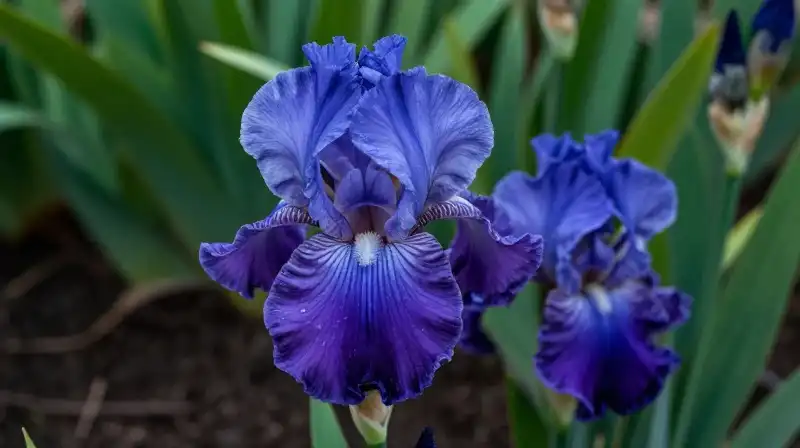 When considering how to best support the flowering cycle, selecting the correct fertilizer is beneficial. Because the Apostle Iris is a clumping herbaceous perennial that has a high demand for consistent nutrients to maintain its vibrant foliage and support its brief daily blooms, regular feeding is often recommended.
To promote robust blooming and healthy growth, use a balanced, water-soluble fertilizer. Since this plant excels in moist environments, applying fertilizer at the start of spring and continuing throughout the active growing period is ideal. Fertilizers formulated for tropical or flowering annual/perennial plants often provide the necessary balance of phosphorus (P) and potassium (K) to enhance bloom production.
Avoid heavy nitrogen-rich fertilizers. While nitrogen encourages lush green leaves, excessive amounts can overshadow the development of the beautiful iris-like blooms. A feeding schedule of a balanced fertilizer applied every 4 to 6 weeks during peak growth is usually sufficient for maintaining optimal health and maximizing the bloom period.
Cultivating and Caring for the Walking Iris
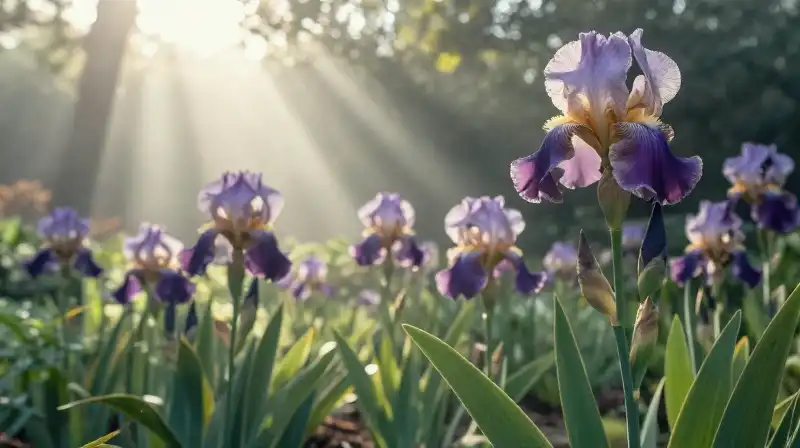 Maintaining your Apostle Iris involves more than just watering and feeding; it also requires attentive care regarding its overall environment and potential issues.
Foliage Health and Placement
The Apostle Iris naturally produces foliage that overlaps, occasionally leading to its common nickname, “fan iris.” Its glossy green leaves are highly efficient at capturing the limited light available in shaded conditions. To maintain a tidy appearance, periodic removal of lower leaves that turn yellow or begin to brown can encourage energy flow toward the plant’s upper growth and blooms.
Addressing Pests and Diseases
The context does not highlight any widely reported serious issues with common insects or diseases affecting the Apostle Iris. Like most garden plants, vigilance is key; inspect the leaves regularly for early signs of pests or fungal spots. However, assuming a healthy, appropriately situated plant, these are generally well-hardied varieties that maintain good resilience in their natural habitats.
Priorities for Success with Apostle Iris
To ensure your Apostle Iris thrives, prioritize its specific environmental needs over generic care advice. Success hinges on understanding its subtropical nature and unique reproductive cycle:
- Shade First: Always place the plant where it receives bright, partial shade to prevent leaf damage and promote foliage health.
- Consistent Moisture: Water deeply and regularly. The primary maintenance focus should be preventing brown leaf tips caused by inconsistent or inadequate moisture.
- Nutrient Support: Apply a balanced, slow-release or liquid fertilizer in spring and summer to support sustained blooming, avoiding excessive nitrogen.
- Watch the Growth: Observe the plant for its unique “walking” habit—the curling of new plantlets—which signals successful growth and establishment.
Explore more: Triquetra Meaning: Unpacking the Symbol of the Celtic Knot T
Frequently Asked Questions
What is the best fertilizer for apostle iris?
A balanced, water-soluble fertilizer formulated for tropical or flowering annual/perennial plants is recommended to promote robust blooming and healthy growth. This fertilizer should be applied every 4 to 6 weeks during the active growing period, while avoiding excessive amounts of heavy nitrogen.
How to Successfully Cultivate and Care for the Apostle Iris
Provide Optimal Placement
Place the Apostle Iris in an area with bright, partial to full shade. Avoid direct, harsh sunlight to prevent foliage from scorching.
Manage Watering
Maintain consistently moist soil throughout the growing season. Ensure the soil does not dry out completely between waterings to support the 'walking' habit and prevent browning.
Apply Fertilizer
Apply a balanced, water-soluble fertilizer at the start of spring and throughout the active growing period (every 4 to 6 weeks). Avoid excessive nitrogen.
Maintain Foliage Health
Periodically remove any lower leaves that turn yellow or brown to direct the plant's energy toward upper growth and blooms.
Monitor for Issues
Inspect the leaves regularly for early signs of pests or fungal spots, and consider containerization or protection during expected cold snaps in mild winters.
Related Articles