Blue Spruce Bonsai Care: Pruning, Styling, and Maintenance

Introduction
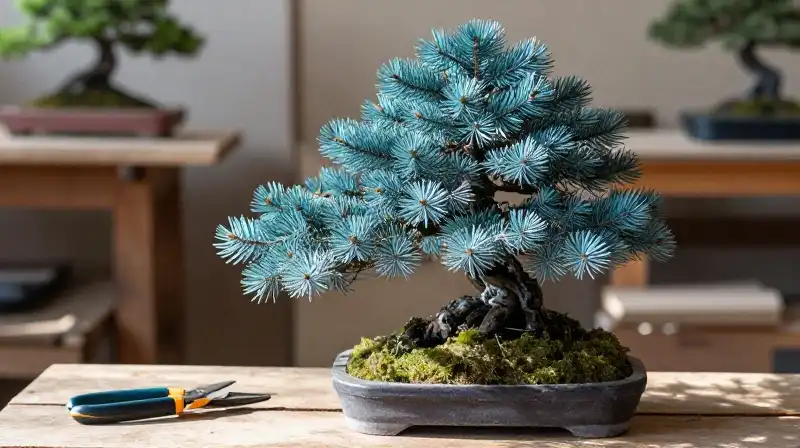
The Blue Spruce (Picea pungens) is a prized subject in bonsai, valued for its striking blue-gray needle coloration and its ability to translate the dramatic, windswept look of high-altitude conifers into a miniature form. While its compact nature makes it suitable for bonsai cultivation, achieving a successful and aesthetically pleasing specimen requires understanding specific biological traits—particularly its unique growth structure and styling sensitivity. Successful Blue Spruce bonsai is not merely about snipping tips; it is about respecting the species’ natural habits, specifically its whorled growth pattern and its limited ability to backbud.
This guide outlines the specialized care, pruning techniques, and crucial maintenance windows necessary to cultivate a vibrant, durable, and artistically expressive Blue Spruce bonsai.
The Anatomy of Spruce Growth: Understanding Whorls
Before any pruning begins, it is essential to understand how the Blue Spruce grows. Unlike many deciduous trees, the Spruce exhibits whorled growth. This means that multiple branches emerge simultaneously from the trunk or main limbs at specific vertical levels. Because of this structural characteristic, general trimming rules are insufficient. The key to disciplined shaping is focusing on the whorl pattern, which dictates where and how new growth should be managed to create a clean, mature silhouette.
For a desirable bonsai look, the aim is usually simplicity and structure. Therefore, the general guiding principle for pruning is to leave only one dominant branch emerging from each whorl, especially concerning the lower and mid-sections of the tree. This selective removal of competing growth helps define the tree’s primary lines and prevents a bushy, cluttered appearance that detracting from the conical aesthetic.
Pruning for Form and Density
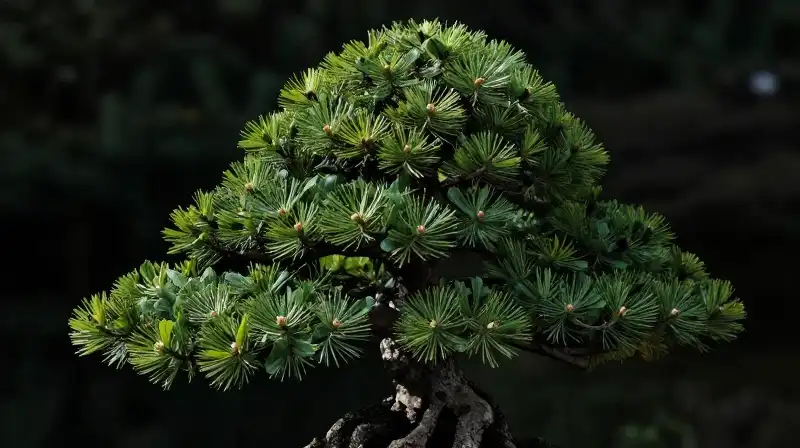
Styling a Blue Spruce involves a combination of careful pruning, controlled growth stimulation, and managing structural weaknesses. Different techniques are applied at different stages of the growth cycle to achieve the desired density and compactness.
Controlling Vertical Length and Sprawl
To prevent long, spindly branches that compromise the compact form of the bonsai, targeted reduction is required. Instead of allowing branches to grow unchecked, they must be shortened. The most effective technique is to reduce long branches back to smaller, finer twigs located very close to the main trunk. This maintains the aesthetic integrity of the scale while controlling the overall size.
Encouraging Fine Needle Texture
To encourage a dense canopy and maintain the health of the foliage, pinching is critical. In the spring, while new growth shoots are still soft and tender, pinch these delicate new shoots. This action forces the plant to allocate its energy into lateral branching and finer needle development, contributing to a fuller, more textured appearance.
Advanced Styling Techniques: Managing Structure and Movement
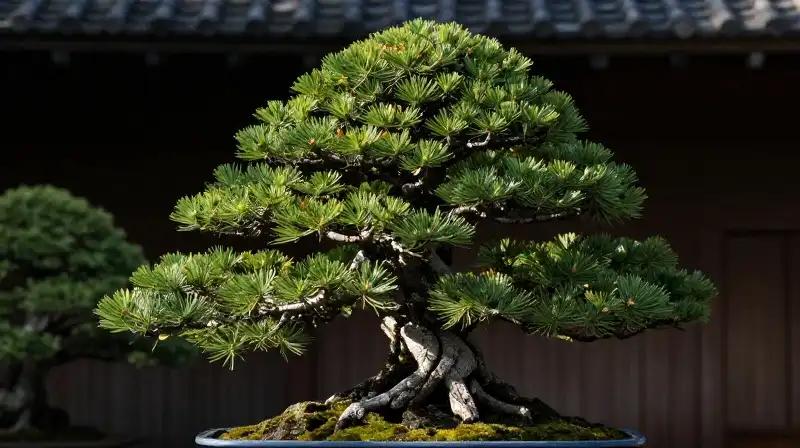
Spruce branches possess unique characteristics that styling enthusiasts can leverage for dramatic effect. Their natural suppleness allows for manipulation that other woods resist.
Spruce branches are naturally pliable and can be easily bent or twisted without the risk of cracking, which makes them excellent for aesthetic styling. Furthermore, the phenomenon of natural snow load acting on the branches often causes them to bend and then spring back. This characteristic offers a dynamic quality that can be carefully mimicked or utilized in a bonsai display to suggest the resilience of the tree in its natural environment. Thinner, flexible branches are ideal for creative manipulation and twisting into unique shapes.
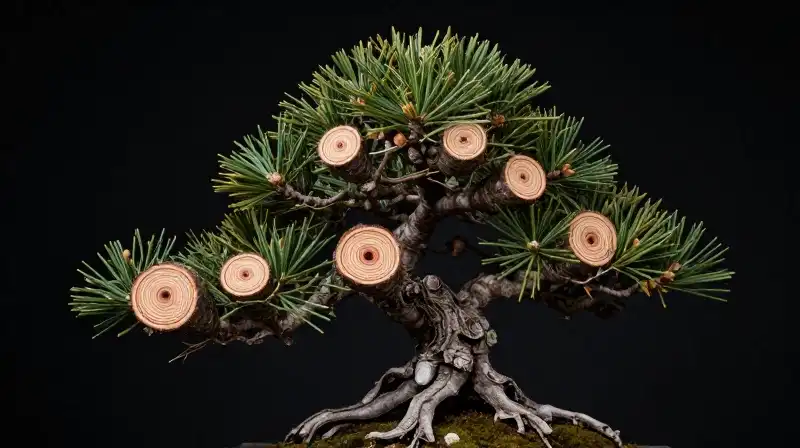
Crucially, spruce wood does not backbud. This means that if you cut a branch, you must ensure that the intended branch or branch segment retains both needles and buds to survive and continue to grow. Never prune a section without confirmation of its viability.
Strategic Wiring and Maintenance Windows
Maintaining the precise positioning of a Blue Spruce bonsai often requires ongoing intervention, particularly through wiring. However, timing is perhaps the single most critical factor when applying this technique.
Optimal Timing for Intervention
Never attempt to wire or perform major structural styling during the middle of summer when the tree is in its peak active growth phase. Wiring during this period is the most common cause of severe damage and dieback. Instead, the optimal windows for both styling and wiring are either in the late summer or early spring. These periods allow the tree a more stable growth cycle, making the structural alterations less likely to cause shock.
Because spruce wood can bend and hold shape, maintaining the desired positioning of wired branches frequently requires repeated rewiring over multiple years. This is a marathon, not a sprint, and continuous subtle adjustments are often necessary to ensure the wire does not cut into the developing cambium layer.
Addressing Common Spruce Cultivar and Care Nuances
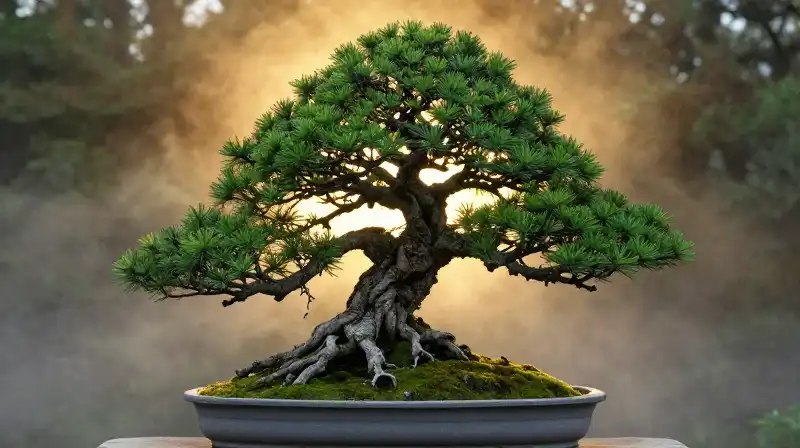
When beginning your collection, remember that Blue Spruce encompasses numerous cultivars, such as the hardy Hoopsii or the robust Fat Albert. While general care fundamentals apply across the species, recognizing these variations is key to optimal growing conditions.
For optimal health, Blue Spruce bonsai thrive in cooler climates. While greenhouse environments can be used, they must mimic the temperature and light conditions of a boreal environment. Resilience is a major trait, but consistency in environmental conditions aids in reducing stress and maintaining the blue coloration of the needles.
The main maintenance focus is ensuring the correct balance of light and temperature, allowing the natural growth cycle to progress while using the aforementioned pruning and wiring techniques to enforce the desired artistic form.
Summary of Priorities for Long-Term Success
The successful cultivation of a Blue Spruce bonsai hinges on precision and patience. The primary priorities to avoid frequent mistakes include:
- Respect the Whorl: Prune to one dominant branch per whorl to maintain structural clarity.
- Time Your Work: Restrict all wiring and major shaping to early spring or late summer.
- Prioritize Viability: Always ensure retained branches have both needles and buds, as the spruce does not backbud.
- Controlled Reduction: Use precise shortening techniques to minimize length and maximize density near the trunk.
How to Cultivate and Style a Blue Spruce Bonsai
A guide to the specialized care and pruning techniques required to maintain a vibrant and aesthetically pleasing Blue Spruce bonsai.
Understand Whorl Growth
Identify the whorled growth pattern of the Blue Spruce. To achieve a structured look, leave only one dominant branch emerging from each whorl, especially in the lower and mid-sections.
Controlling Sprawl
Reduce long, spindly branches back to smaller, finer twigs located very close to the main trunk to maintain scale and achieve a compact form.
Encouraging Fine Texture
In the spring, pinch delicate new growth shoots. This forces the plant to develop lateral branching and finer needles, resulting in a denser canopy.
Timing Structural Interventions
Restrict all wiring and major structural styling to the optimal windows of late summer or early spring. Never attempt to wire during the peak active growth phase in the middle of summer.
Maintaining Viability
Always ensure that any retained branch or pruned segment contains both needles and buds, as the Blue Spruce does not backbud.
Environmental Management
Ensure the bonsai thrives in cooler climates that mimic a boreal environment, maintaining consistent light and temperature to reduce stress and maintain needle coloration.
Related Articles