CrimsonCrisp Apple: Flavor Profile, Uses, and Cultivation Guide

Introduction
The CrimsonCrisp apple stands out in the modern variety market as a highly functional fruit—perfect for both the demanding home gardener and the commercial orchard. Developed in 1971, this specialized apple (also known as Co-op 39) is engineered to provide a robust combination of stunning aesthetics, disease resistance, and a complex flavor that suits diverse culinary applications. If you are looking for an apple that performs well in the field and delivers exceptional quality on the plate, CrimsonCrisp offers a dependable solution, merging the characteristics of the Rome Beauty and Jonathan varieties into a modern, versatile package.
Sensory Profile: Flavor, Texture, and Appearance
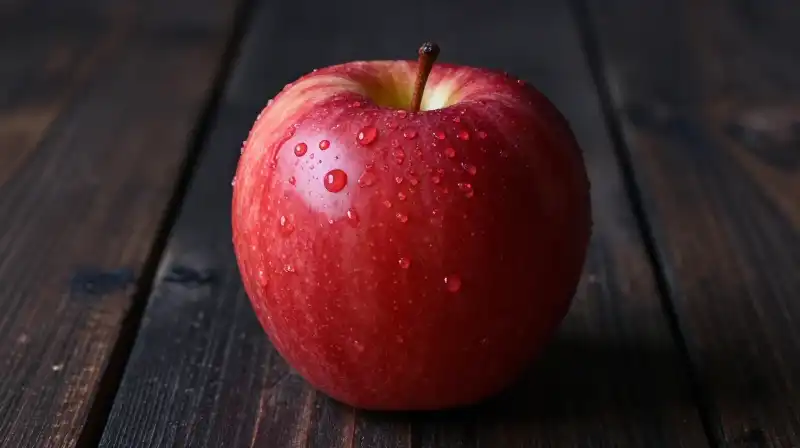 One of the defining features of CrimsonCrisp is its harmonious blend of flavor and texture. It is a multi-purpose dessert apple known for its distinct balance of sweet, tart, and rich undertones. The flavor profile is often described as complex, carrying honeyed and caramel notes with surprising hints of melons and oranges. This acidity allows the apple to retain a bright, tangy freshness when picked, which mellow into a deeper, sweeter character as it matures and is stored properly.
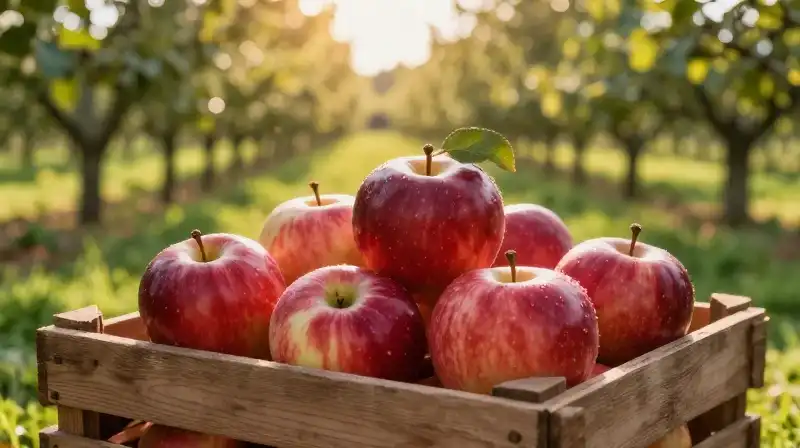
Texturally, the fruit delivers a satisfying and crisp density. The flesh is light yellow, firm, and possesses a dense structure that ensures it holds its shape beautifully, whether eaten raw or incorporated into a baked good. Visually, CrimsonCrisp is characterized by its striking, uniform bright crimson color covering a golden yellow base, creating a vibrant, deep-red blush. The apple itself is medium-sized, round, and slightly conical, with a semi-thick skin that adds to its durability.
Culinary Uses and Dietary Value
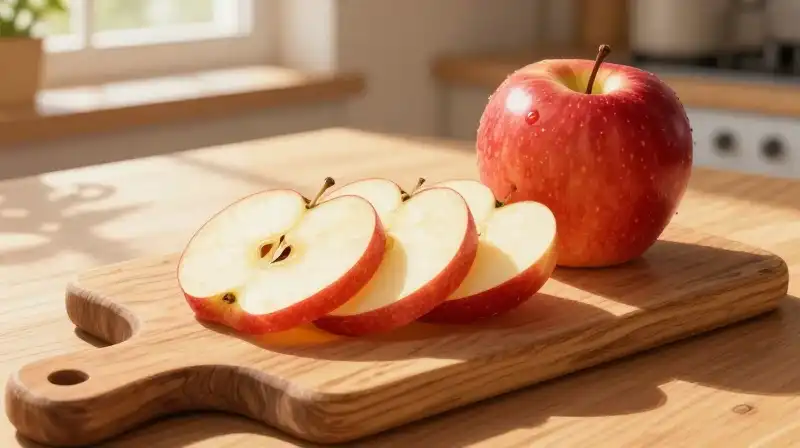 CrimsonCrisp is highly versatile, making it truly a multi-purpose apple. Its density and firm structure make it ideal for both fresh consumption and rigorous culinary preparation.
For fresh eating, it offers a crisp, juicy experience, perfect for snacking or incorporating into salads and smoothies. However, its robust nature means it excels when cooked. It is a superior choice for:
- Baking: Tarts, pies, and dumplings where maintaining shape is key.
- Cider Production: The balanced acidity makes it excellent for both fresh drinking and fermenting.
- Preserving: It holds up well when cooked into jams, jellies, and sauces.
Beyond taste, CrimsonCrisp contributes a source of various nutrients, including Vitamin C, Vitamin E, Vitamin A, potassium, and dietary fiber, making it a healthy addition to the diet.
Cultivation Guide: Growing CrimsonCrisp
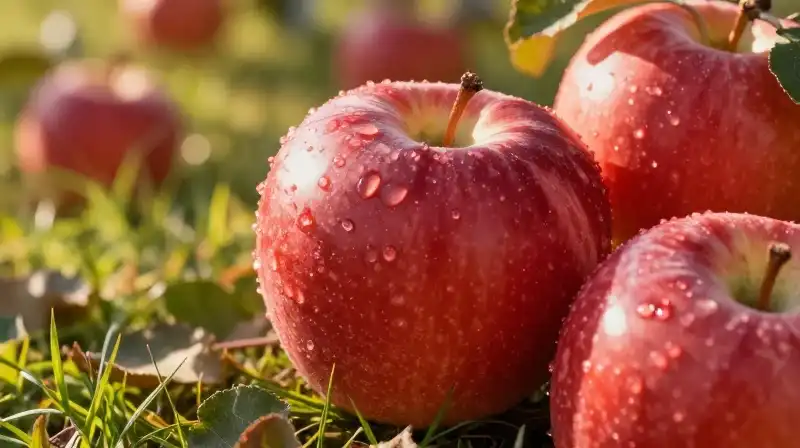 CrimsonCrisp is a popular choice for growers due to its inherent hardiness and reliability, particularly its field immunity to apple scab. This resistance reduces the need for intensive chemical treatments, making it attractive for both home gardens and specialized commercial orchards.
Growing Conditions and Configurations
The variety requires full sun to reach its peak potential. Depending on available space and desired maturity, it is available in different growth configurations:
- Dwarf: A compact option, reaching heights of 8-10 feet, ideal for small yards or intensive urban farming.
- Semi-Dwarf: A taller, more typical structure, reaching 15-17 feet, providing maximum fruit yield and canopy space for larger settings.
Culturally, the tree has an upright, rounded habit and bears fruit along the new wood. While it is a reliable performer, successful fruit development requires proper pollination, and its late season bloom group requires careful consideration when planning planting schedules.
Disease Management and Timing
While CrimsonCrisp is highly resistant to apple scab (noted as field immune), growers should be aware of its mild susceptibility to other pathogens such as cedar-apple rust, fireblight, and mildew. These risks are mitigated through careful pruning, ensuring good air circulation, and managing spacing. The harvest typically occurs in mid-September, offering a distinct long picking season that can last up to four weeks, allowing growers to capitalize on the yield over an extended window.
Practical Decisions: Comparing CrimsonCrisp to Alternatives
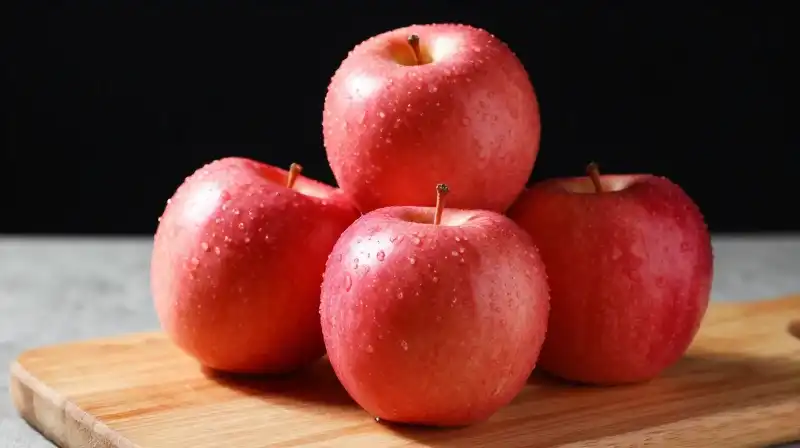 While many varieties exist, CrimsonCrisp holds a unique place due to its combination of resilience and flavor. When considering a purchase or planting, evaluating its characteristics against other popular varieties helps clarify its benefits:
A key comparison often made is against the Honeycrisp apple. While both offer crisp textures, the specific flavor profile of CrimsonCrisp leans heavily into caramel and honeyed notes with a more pronounced tart undertone, whereas Honeycrisp is known for its powerful, more straightforward sweet and tangy burst. CrimsonCrisp also offers superior field resistance to apple scab, making it a more durable option for growers seeking reduced maintenance.
For those looking for a reliable “workhorse” apple that doesn’t require constant intervention, CrimsonCrisp is a practical choice. Its ability to be stored in proper cold storage for several months further enhances its value for extended use and commercial distribution.
Harvest, Storage, and Preservation
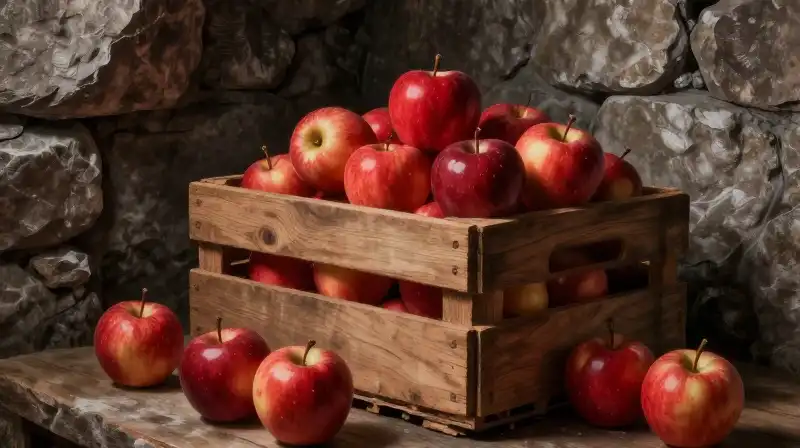 The quality of CrimsonCrisp is maintained through careful post-harvest handling. The apples can remain attached to the tree for an impressive period, providing growers with flexibility in harvesting.
Harvesting involves collecting the fruit when it reaches its peak visual and flavor maturity. For storage, the dense and firm structure is highly beneficial; it minimizes bruising and structural breakdown over time. Stored in controlled, cold conditions, CrimsonCrisp can maintain its integrity for several months. For culinary applications like baking, the firmness ensures that the structure of the tart or dumpling will not collapse, even after baking.
Summary of Utility: Is CrimsonCrisp Right for You?
CrimsonCrisp is an exceptional choice when you require an apple that balances aesthetic appeal with functional performance. It is best suited for consumers or growers who value:
- Exceptional disease resistance (specifically against apple scab).
- A highly versatile culinary profile suitable for both fresh snacking and heavy cooking.
- A complex, sweet-tart flavor that ages well in storage.
- An apple that thrives in full sun across USDA zones 4 through 9.
Ultimately, if your priority is a reliable, low-maintenance, and highly flavorful dessert apple that performs exceptionally well in both your garden and your kitchen, the distinctive attributes of the CrimsonCrisp make it a practical and delicious addition to your selection.
Frequently Asked Questions
What is crimson crisp apple good for?
CrimsonCrisp is a highly versatile, multi-purpose apple that is suitable for fresh eating, baking, cider production, and preservation. It is also valued by growers for its reliability and density, which allows for long-term storage and field immunity to apple scab.
How to Grow, Harvest, and Store CrimsonCrisp Apples
Select Growth Configuration
Choose between Dwarf (8-10 feet) for small spaces or Semi-Dwarf (15-17 feet) for maximum yield, based on available space and desired maturity.
Establish Growing Conditions
Plant the CrimsonCrisp variety in a location that receives full sun, ensuring proper pollination to facilitate successful fruit development.
Implement Disease Management
Mitigate risks from other pathogens (like cedar-apple rust or mildew) by careful pruning and managing spacing to ensure good air circulation.
Determine Harvest Timing
Harvest the apples when they reach their peak visual and flavor maturity, typically occurring in mid-September.
Prepare for Storage
Store the firm fruit in controlled, cold conditions to minimize bruising and structural breakdown over time, allowing them to maintain integrity for several months.
Related Articles