Front Yard Edible Landscapes: Combining Beauty with Harvest

Introduction
Front yard vegetable gardening is no longer solely about maximizing yield; it is increasingly about blending utility with aesthetics. The concept of edible landscaping—integrating productive crops into ornamental design—allows homeowners to maintain neighborhood curb appeal while growing fresh produce close to home. When designing a front yard vegetable garden, the core challenge is to ensure the plants remain visually harmonious throughout their entire growth cycle, rather than just being a seasonal distraction. Successfully managing this space requires selecting crops that have a structured, appealing habit and planning the garden to serve as a decorative hardscape element.
Designing Edible Landscapes for Visual Appeal
The key to a successful front yard edible landscape is deliberate design. Unlike a back garden where function is paramount, front yard crops must provide visual interest from early spring to late autumn. This is achieved through strategic blending of vegetables with ornamental plants, utilizing color, texture, and structure.
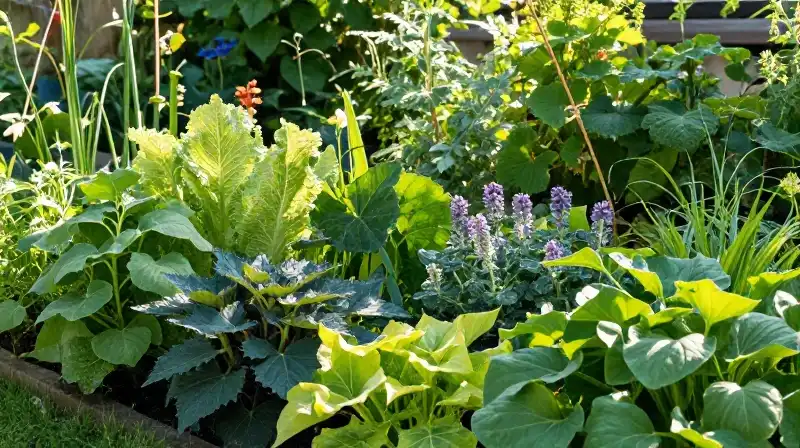
- Structural Harmony: Select vegetables with upright or broad, defined forms. For instance, the large leaves of lettuce or the robust stalks of artichokes provide inherent architectural interest similar to ornamental shrubs.
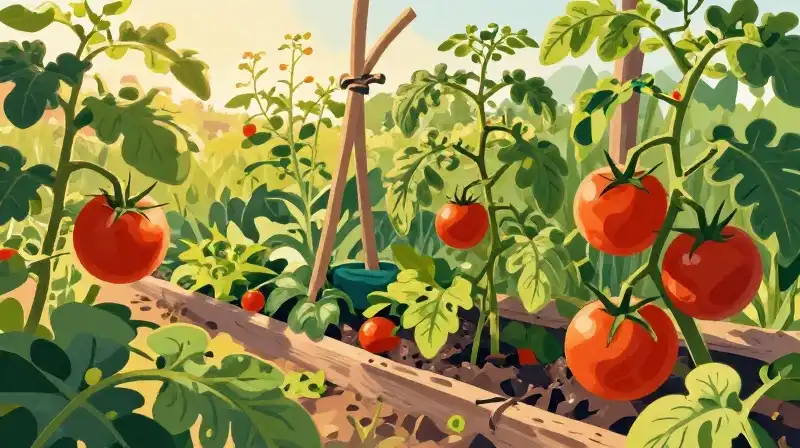
- Color Coordination: Use color to mimic ornamental planting. Brightly colored varieties of peppers, Swiss chard, and basil can serve as vibrant focal points, providing the necessary pop of color found in traditional landscaping.
- Tidiness and Presence: Avoid “messy” crops that go to seed or appear tangled. Plants chosen for the front yard should maintain a neat and controlled silhouette, ensuring the garden looks intentionally curated and not overgrown.
Structural Solutions: Using Raised Beds for Discreet Gardens
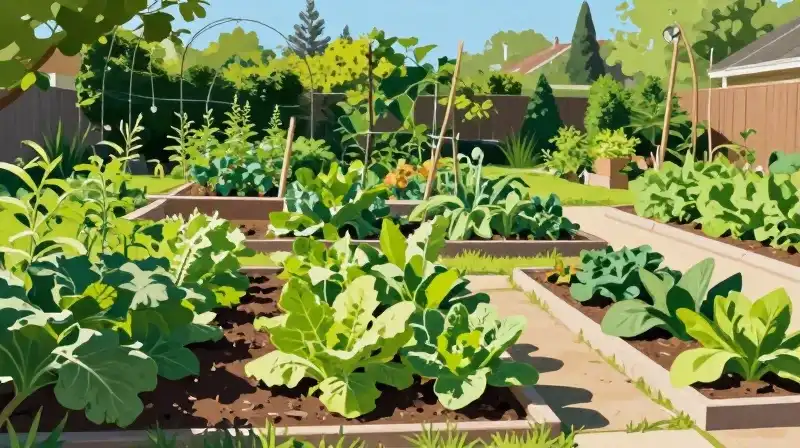
For many homeowners concerned about visibility, local regulations, or the desire for a clean, manicured look, implementing a structured raised bed approach is highly effective. These beds function as architectural features, transforming the garden from a wild patch into a formal piece of hardscaping.
Raised beds offer multiple practical advantages that benefit a front yard setup:
- Controlled Visibility: A well-designed raised bed with a substantial border or wall can strategically hide the bounty from direct neighbors or specific camera angles, while still presenting a tidy face to the street.
- Superior Maintenance: They allow for meticulous control over soil quality and moisture, which is vital when plants are exposed to street runoff or varying local soil conditions.
- Accessibility and Management: The elevated nature provides easy access for maintenance and harvesting, simplifying the task of keeping a visible garden neat and weed-free.
Choosing Plants: Categorizing Edibles by Visual Function
To achieve both beauty and harvest, plant selection should be determined by the visual role the crop plays in the garden. Integrating different types of plants ensures the garden looks productive and decorative year-round.
Perennials: Long-Term Structural Elements
Perennials are ideal for front yard planting because they provide continuous, predictable structure year after year. They act as the permanent, anchor elements of the edible landscape.
- Asparagus and Rhubarb: Provide sturdy, vertical stalks that offer dramatic texture and visual height, lasting multiple seasons.
- Artichokes and Lemongrass: Both can be highly ornamental due to their unique, structured foliage and thrive with minimal fuss once established.
Annual and Semi-Annual Stars: Color and Texture
These plants provide the dynamic, seasonal accents—the equivalent of seasonal flowers—that add punch and variation to the design.
- Bell Peppers: Utilize various colors (red, orange, yellow, purple) to create intense visual interest, acting as the “focal points” of the garden design.
- Swiss Chard and Beets: Choose brightly colored varieties. Their broad, colorful leaves provide a stable, lush backdrop, similar to large-leaf ornamentals.
- Celery: Known for its upright, linear stalks, it provides a consistent, elegant visual texture and provides a continuous harvest of leaves and stalks.
Ground Covers and Accents: Filling the Gaps
These plants help hide mulch, fill empty spaces between structural elements, and contribute to overall “fullness.”
- Ground-Cover Herbs: Plants like oregano, thyme, and mint are excellent for covering soil while providing a useful, low-growing, aromatic feature.
- Lettuce and Bok Choy: Fast-growing and adaptable, they can be tucked into borders and used in “intercropping” to fill gaps without overwhelming the larger shrubs.
Understanding Local Regulations and Common Concerns
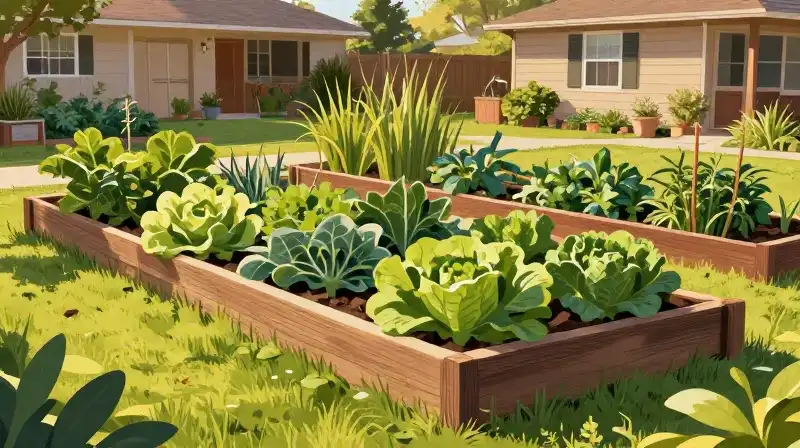
When planning a front yard vegetable garden, it is necessary to address common concerns regarding legality and neighborhood perception. There is a misconception that growing a garden in a front yard is illegal; however, this is generally not the case.
Local regulations usually fall into three categories:
- Aesthetic Ordinances: Some municipalities dictate the height or nature of plantings to maintain a specific curb appeal. To comply, keep the garden tidy, use structured beds, and ensure the aesthetic is intentionally designed.
- HOA Covenants: Homeowners Associations often have specific rules regarding the placement, color, and presence of crops. Always check the HOA guidelines to see if edible plants are restricted or if specific types of hardscaping (like raised beds) are required.
- Zoning Laws: Typically, as long as the garden is part of your property’s managed landscaping, it is permitted. If your garden grows excessively tall or becomes unruly, it may violate community standards.
Proactive communication with neighborhood groups or HOAs and focusing on the “curated aesthetic” aspect of the garden helps resolve potential issues before they arise.
Planning and Maintenance for a Successful Harvest
Even with beautiful plants, the practical needs of the plants must be met for a successful harvest. The final stage of planning involves ensuring the garden remains high-performing while maintaining its ornamental integrity.
Key considerations for maintenance include:
- Layout Planning: Place visual focal points (like peppers or pineapple) at the front or center of the design. Group similar plant types to create zones, rather than having a single chaotic mix.
- Optimizing Sunlight: Ensure the chosen location receives consistent sunlight. Many visual choices, such as vibrant vegetables, require high light levels to develop the most striking colors.
- Continuous Care: Regular weeding and deadheading (removing spent flowers to encourage further growth) are essential. A “neat” appearance in a front yard is a result of consistent, attentive maintenance.
The synthesis of these design principles means that a front yard vegetable garden succeeds when it is viewed as a garden that is meant to be seen. By choosing structurally sound plants and managing the layout to look intentional, you can cultivate a highly productive, visually arresting space.
Frequently Asked Questions
Is it illegal to grow a garden in your front yard?
While growing a front yard garden is generally not illegal, local regulations may apply. Homeowners must ensure they comply with aesthetic ordinances, HOA covenants, or zoning laws, depending on their municipality.
How to Design and Maintain an Edible Front Yard Vegetable Garden
Define the Design Aesthetic
Determine the garden's visual goal by selecting vegetables that have a structured, appealing habit, allowing them to maintain a curated silhouette from early spring to late autumn.
Select Plants by Visual Function
Categorize and choose crops based on their decorative role: select perennials (e.g., asparagus) for structure, brightly colored annual/semi-annual stars (e.g., bell peppers) for accents, and ground covers for filling gaps.
Plan the Structural Layout
Determine the physical structure, such as using raised beds, to create architectural features, and ensure the design complies with local aesthetic ordinances or HOA covenants.
Optimize Placement and Sunlight
Implement layout by placing visual focal points at the front or center of the design, grouping similar plant types into zones, and ensuring the area receives consistent sunlight.
Implement Ongoing Maintenance
Ensure the garden looks intentionally curated by performing regular maintenance, including weeding and deadheading spent blooms to encourage continued growth and maintain neat appearance.
Related Articles