Edith Bogue Magnolia: Growing This Hardy, Evergreen Southern Magnolia

Introduction
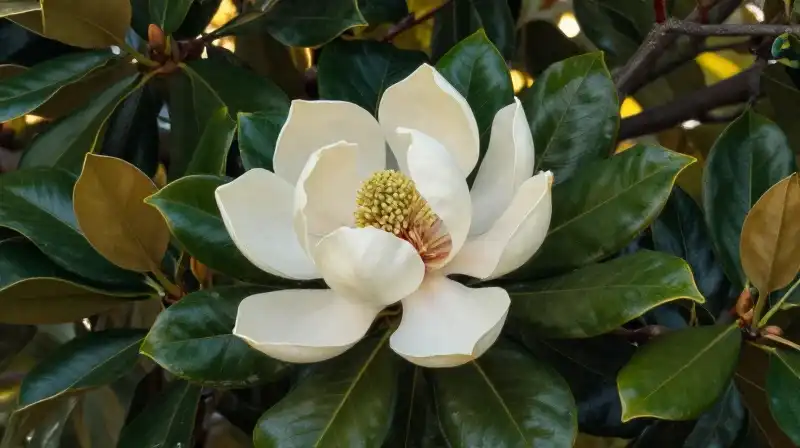
The Edith Bogue Magnolia is a Southern magnolia variety renowned for successfully bridging the gap between dramatic, formal aesthetics and robust, cold-tolerant performance. If you are looking for a large, evergreen statement piece that thrives in cooler climates, this cultivar provides consistent visual appeal. It is distinguished by its dense, dark foliage and impressive, lemon-scented white flowers, making it a premier choice for landscape architects seeking elegance and resilience.
Understanding the specific needs of the edith bogue magnolia tree is crucial for maximizing its lifespan and ensuring its magnificent display. This variety performs best when environmental constraints—such as soil health and pollution levels—are respected. Below is a comprehensive guide to growing this exceptionally hardy and dramatic Southern magnolia.
Distinctive Characteristics of Edith Bogue Magnolia
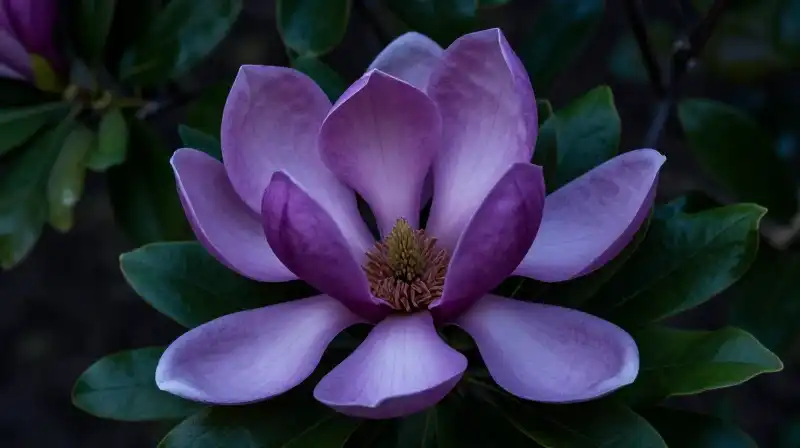
Edith Bogue is defined by a striking combination of structure, color, and fragrance. Unlike some more delicate varieties, this magnolia offers substantial year-round presence due to its evergreen nature. These characteristics determine its suitability for various landscape designs, from manicured formal gardens to expansive natural settings.
Foliage and Growth Habit
The foliage is a deep, leathery, glossy dark green, providing a lush backdrop throughout the seasons. The growth habit is generally upright and moderately narrow when younger, ideal for creating vertical accents in tighter spaces. However, it is important to note that while it may appear narrower initially, the edith bogue magnolia is a large, mature tree, capable of reaching substantial dimensions, typically estimated up to 60 feet in height and 30 feet in width.
Floral Display and Fruit
The tree produces large, creamy white flowers that are highly fragrant, often carrying a lemon scent. Blooming occurs primarily in early summer, and individual flowers can reach impressive diameters of up to 12 inches. Following the main bloom, the plant develops spherical, cone-like fruiting clusters, adding further textural interest to the landscape.
Environmental and Climatic Requirements
The hardiness of the Edith Bogue Magnolia is one of its greatest assets, but successful growth still hinges on its placement relative to sun, soil, and climate extremes.
Ideal Planting Zones and Hardiness
This variety is exceptionally hardy, reliably thriving in USDA Hardiness Zones 7 through 9. It can be successfully cultivated in Zone 6, provided the tree is planted in a highly protected location where it can mitigate the harsher effects of winter weather. The combination of its broadleaf evergreen nature and excellent winter hardiness makes it suitable for many diverse regions.
Light and Soil Composition
- Light: The tree requires full sun to partial shade. While it tolerates some shade, full sun is necessary to encourage robust flowering and strong, healthy growth.
- Soil: It prefers moist, organically rich loams. The soil must be well-draining; it is highly sensitive to extremes, meaning both drought-stressed (too dry) and waterlogged (excessively wet) conditions are detrimental to the health of the plant.
Practical Care and Limiting Factors
To ensure the longevity of your edith bogue magnolia tree, careful consideration of its limits and maintenance needs is necessary. These practical warnings can prevent common errors that often plague large, ornamental trees.
Managing Growth and Space Planning
Due to its eventual massive size, adequate space is a non-negotiable factor. Attempting to restrict the growth of this tree in a small area will lead to canopy stress and poor health. Plant it in an area that allows for significant expansion, allowing its considerable root system and trunk to establish properly.
Pollution Sensitivity and Urban Constraints
A critical practical consideration is the plant’s sensitivity to urban pollutants. The Edith Bogue Magnolia is generally intolerant of high levels of smog and heavy air pollution. If planting near major highways or industrial areas, environmental controls must be prioritized to support the tree’s health.
Seasonal Maintenance
While generally low-maintenance, the tree benefits from consistent watering during dry spells, especially during the summer flowering period. While it is evergreen, in extremely severe winters, the foliage may exhibit somewhat deciduous traits as a defense mechanism, which is a natural, not abnormal, response.
Summary: Making the Decision for Your Landscape
The decision to incorporate the Edith Bogue Magnolia into your landscape depends entirely on having the space and the commitment to specific soil management. This is not a tree for cramped urban settings or poor soil conditions.
Decision Criteria Checklist:
- Space: Do you have the room for a tree that may eventually span 30 feet in width and 60 feet in height?
- Hardiness: Is your USDA zone 6 or higher, or are you prepared to provide significant protection?
- Soil: Can you ensure your site has moist, well-draining, organically rich loam?
- Tolerance: Can you ensure the location is free from high levels of urban pollution?
By meeting these requirements, the Edith Bogue Magnolia offers a spectacular blend of year-round structure, intense fragrance, and reliable performance, cementing its reputation as a superior Southern magnolia.
How to Grow the Edith Bogue Magnolia
Ensure Adequate Space and Location
Select a planting area that allows for the tree's massive future growth (up to 60 feet high and 30 feet wide) and verify that the location is free from high levels of urban pollution or industrial pollutants.
Select Appropriate Light and Soil
Plant the tree in an area receiving full sun to partial shade. The soil must be moist, organically rich loams, and must be well-draining to prevent waterlogging or drought stress.
Assess Hardiness Requirements
Confirm the site is within USDA Hardiness Zones 7 through 9. If planting in Zone 6, ensure the tree is situated in a highly protected location to mitigate severe winter weather.
Provide Seasonal Maintenance
Maintain consistent watering during dry spells, particularly during the summer flowering period, to ensure health and robust growth.
Related Articles