Big Max Pumpkin: A Guide to Cultivation, Harvest, and Storage

Introduction
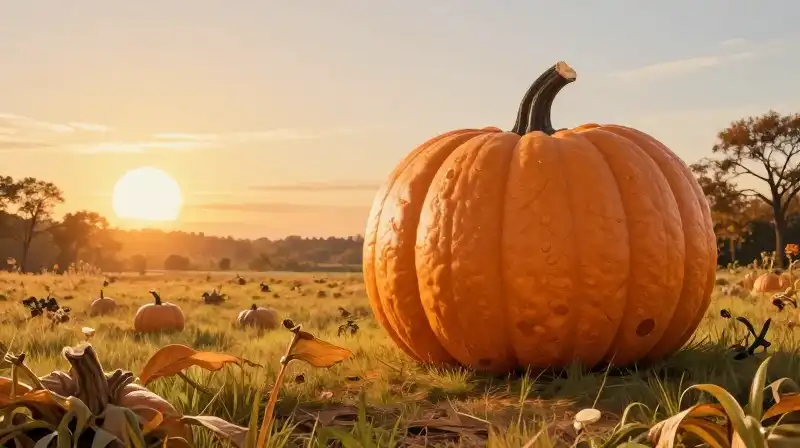
The Big Max pumpkin is not merely a decorative gourd; it is a cultivar defined by its massive potential, capable of achieving significant size and heavy weight under ideal conditions. If you are aiming for a colossal specimen, Big Max (*Cucurbita maxima*) is a strong contender. This variety was developed and hybridized in the early 1960s specifically to achieve substantial size, meaning its cultivation and management require a specialized approach. Beyond achieving its impressive 150-pound potential, successfully managing a Big Max involves strict adherence to growing timelines, proper harvesting techniques, and careful post-harvest curing to ensure long-term stability.
Optimizing Cultivation for Giant Size
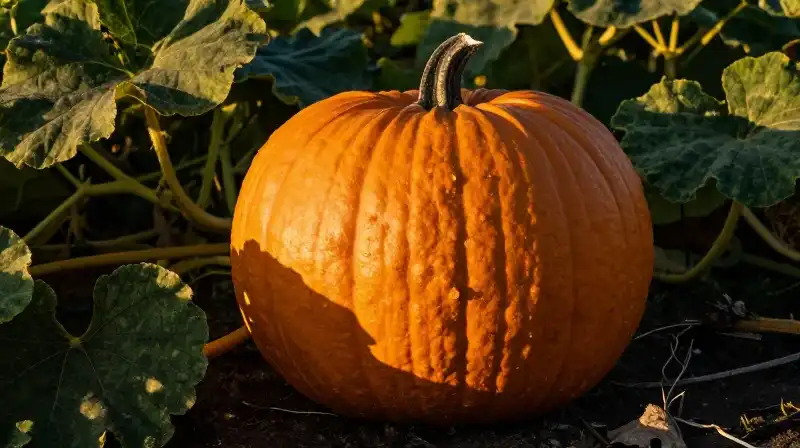
To reach the characteristic size and thick, ribbed skin of a Big Max pumpkin, specific environmental and planting criteria must be met. The potential of this cultivar can be maximized only when substantial room is provided for the growth of the vines.
Planting Mechanics and Timing
Optimal planting should occur two to four weeks after the average last frost, ensuring the plant has enough warmth to begin its long growth cycle. For optimal spacing, start seeds at a depth of 1 to 3 cm. Once established, seeds must be spaced between 3 to 8 cm apart within planting hills.
Crucially, to maximize the size of the single fruit, it is highly advisable to limit each vine to only one pumpkin. This practice directs the plant’s energy toward singular, massive development rather than distributing it across multiple, smaller fruits.
Growing Conditions and Ripening
The typical ripening period for Big Max is substantial, often taking 110 to 120 days after planting. During this time, the pumpkin requires adequate air circulation and stable temperatures. Since Big Max is bred for robustness and storage quality, managing the plant’s health is paramount to achieving its genetic potential.
The Precision of Harvesting Big Max Pumpkins
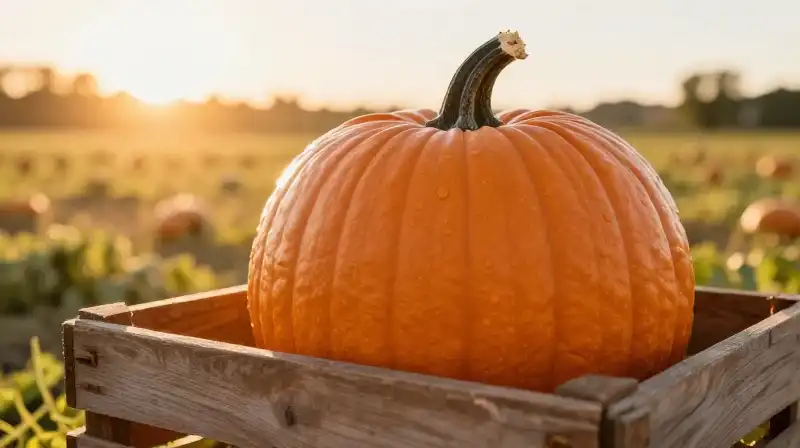
Harvest timing is critical for both size and long-term usability. You must avoid the common mistake of harvesting too early or waiting until the first significant frost. The correct moment signals the plant’s natural readiness for storage.
Determining the Right Moment
The ideal harvest time is when the pumpkin foliage has begun to dry out. This indicates the pumpkin has completed its maturation cycle and is ready to cure. Harvesting must occur before the first light frost to maintain internal quality and structure.
Proper Removal Technique
When cutting the Big Max pumpkin, use a knife to cut the stem, ensuring the cut maintains a length of 3 to 4 inches. It is vital to remember that a pumpkin should never be supported by its stem once harvested, as this can lead to bruising or potential rot directly beneath the attachment point.
After the pumpkin is detached, brush away any accumulated dirt, leaves, or debris from the entire surface. This is the first step in preventing fungal growth during the subsequent curing process.
Post-Harvest Curing for Longevity
Curing is a non-negotiable step that prepares the large, thick-skinned Big Max for long-term storage or consumption. This process hardens the flesh and enhances its suitability for canning or freezing.
Optimizing the Curing Environment
The pumpkin needs a controlled environment for optimal curing, which should last between 1 to 2 weeks. The most precise conditions involve maintaining temperatures between 80°F and 85°F, potentially coupled with a humidity level of 80–85%.
If these precise conditions are difficult to achieve, an alternative method involves placing the pumpkin in a warm, sunny spot with excellent air circulation. Consistency in temperature and airflow is key to maintaining the structural integrity of the large gourd.
Preventing Post-Harvest Damage
Throughout the entire curing period, the harvested pumpkin must never come into contact with water. Moisture introduces rot and microbial growth, which defeats the purpose of post-harvest preparation. Dry storage is essential for maximizing the lifespan of the Big Max pumpkin.
Logistical Considerations for Large Orders
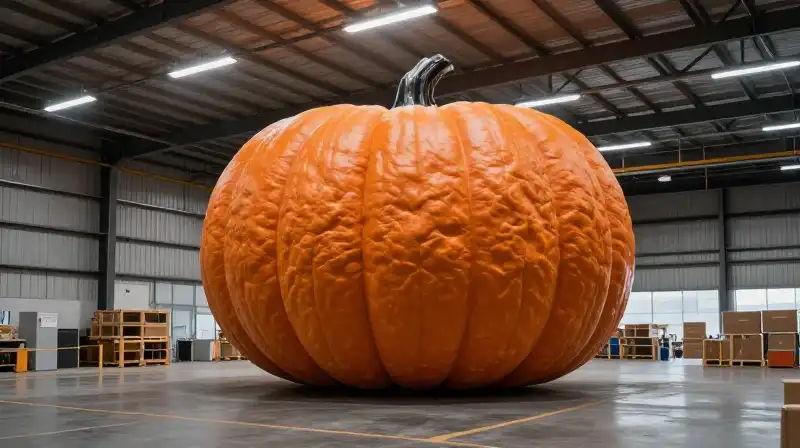
Given the significant size of a fully grown Big Max, logistical planning is a complex factor. These large pumpkins require specialized handling compared to standard produce.
- Weight and Packaging: Big Max pumpkins can exceed 68 kg (150 lbs). Due to these high weights, items exceeding standard limits will incur additional shipping fees, and oversized orders may need to be delivered in multiple separate packages.
- Seasonal Restrictions: Be aware that due to potential extreme heat, shipping operations for many plant items are often paused during the peak months of July and August.
- Delivery Limitations: Shipping is restricted to the contiguous United States. Delivery is not provided to Hawaii, Alaska, or P.O. boxes; a specific street address is mandatory.
Practical Warning and Decision Criteria for Big Max Growers
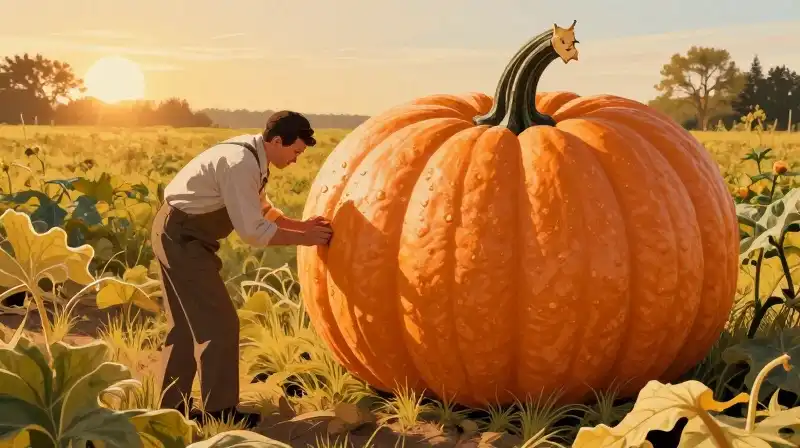
While Big Max offers impressive size, it is essential to temper the expectation of universal culinary success. Due to its sheer scale, the practical use of a Giant Big Max for standard home cooking is often challenging and can sometimes compromise its flavor profile. Use it primarily for display or bulk processes like freezing or large-scale preservation.
When deciding whether to grow this specific variety, prioritize having ample, open space and understand that the long growth cycle requires commitment. If your primary goal is a manageable size that is highly versatile for daily cooking, consider other, smaller heirloom varieties. If, however, the “Big” in Big Max is your main priority, follow the specific planting and drying techniques detailed here, especially the 3–4 inch stem cut and the strict 80°F–85°F curing rule, to ensure your massive crop is successfully preserved.
How to Cultivate and Prepare a Big Max Pumpkin
Optimal Planting
Plant seeds 2 to 4 weeks after the average last frost, at a depth of 1 to 3 cm, and space established seeds between 3 to 8 cm apart.
Maximizing Fruit Size
Limit each vine to only one pumpkin to ensure the plant directs its energy toward singular, massive development.
Managing Growth Conditions
Allow the pumpkin to grow for 110 to 120 days, ensuring adequate air circulation and stable temperatures throughout the ripening period.
Harvesting the Pumpkin
Harvest when the foliage has begun to dry out, before the first light frost. Cut the stem with a knife to maintain a length of 3 to 4 inches, and ensure the pumpkin is not supported by its stem.
Pre-Curing Preparation
Brush away any accumulated dirt, leaves, or debris from the entire surface of the detached pumpkin to prevent fungal growth.
Curing for Longevity
Place the pumpkin in a controlled environment (80°F to 85°F with 80–85% humidity) or a warm, sunny spot with excellent air circulation for 1 to 2 weeks. Ensure the pumpkin never comes into contact with water.
Related Articles