Bush Slicer Cucumber Guide: Planting, Maintenance, and Harvest

Introduction
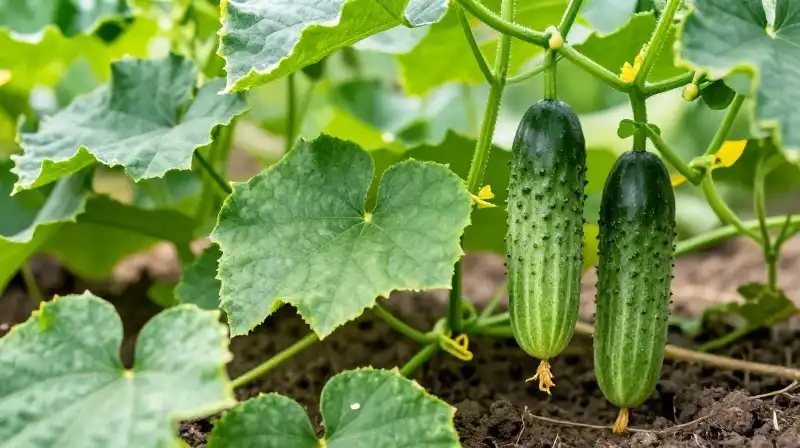
The Bush Slicer variety offers a specialized solution for gardeners seeking productive cucumbers in confined spaces or those who prefer a compact growth habit. Unlike sprawling vines that require extensive trellising, bush cucumbers are heat-loving, dwarf plants designed to thrive with minimal vertical space. To determine if this crop is suitable for your garden, evaluate your microclimate and available space; bush varieties are ideally suited for container gardening or well-defined mounded hills where rapid, compact growth is prioritized. This guide outlines the precise conditions and steps needed to move from seed to a high-quality harvest.
Environmental Requirements for Optimal Growth
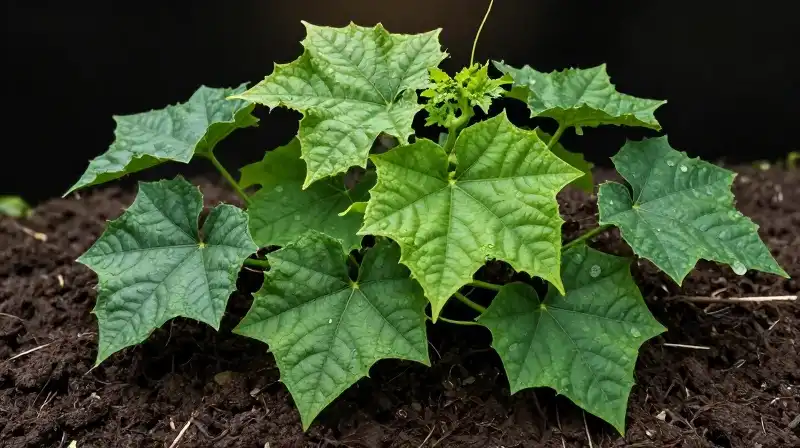
Successful cultivation of bush cucumbers begins with understanding their specific needs regarding temperature and soil chemistry. These plants are highly susceptible to cold, and will not establish or yield effectively if conditions are too cool.
For the highest success rate, the garden must reach warmth before sowing. This typically means outdoor soil temperatures should be warm, coupled with nighttime temperatures consistently staying above 55°F (13°C). If nighttime temperatures drop too low, even during the summer, the plant’s production cycle can be severely stunted.
Soil preparation is the critical first step in any outdoor planting. Cucumbers have relatively shallow root systems but require rich, loose soil. Amending your planting bed or hill with aged manure or high-quality compost significantly boosts nutrient availability and ensures proper soil structure, which aids in aeration and moisture retention.
Strategic Planting Techniques
Whether you are maximizing a small balcony or dedicating a plot in a yard, the planting method dictates the necessary spacing and care. Bush varieties require careful planning to ensure air circulation, which prevents common diseases.
Direct Sowing in the Ground
When planting in an outdoor bed, the “hill and row” method is recommended to manage the compact nature of these plants.
- Spacing: Establish mounds (hills) roughly three feet apart.
- Sowing: Sow seeds about one inch deep within each hill.
- Individual Spacing: Place seeds approximately four inches apart.
- Thinning: After initial germination, thin each hill to the three strongest seedlings. This practice ensures the remaining plants have enough space and energy to reach full maturity.
Container and Pot Cultivation
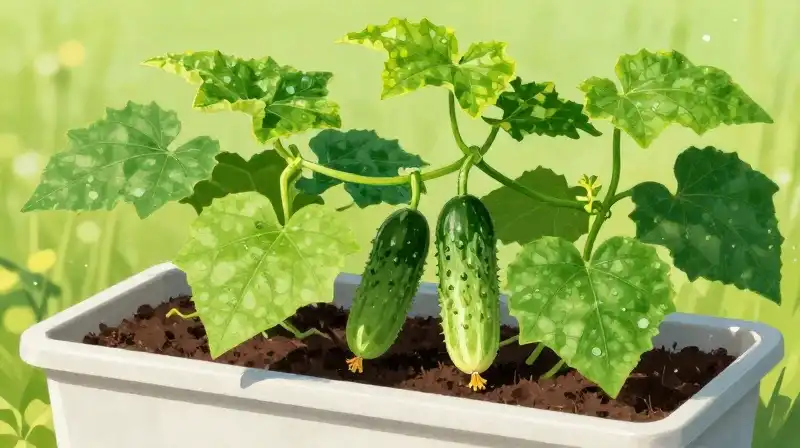
Bush cucumbers excel in containers, making them an excellent option for small spaces. Careful edge spacing is vital to avoid root binding and allowing maximum light exposure.
- Edge Distance: When direct sowing seeds into a pot, place them four inches away from the edges of the container to allow room for root expansion.
- Size Guidelines:
- Use a 12-inch pot for a single healthy plant.
- Use a larger container, measuring at least 18 inches in diameter, for two plants, allowing them to share nutrients while maintaining adequate breathing room.
Essential Maintenance for Peak Production
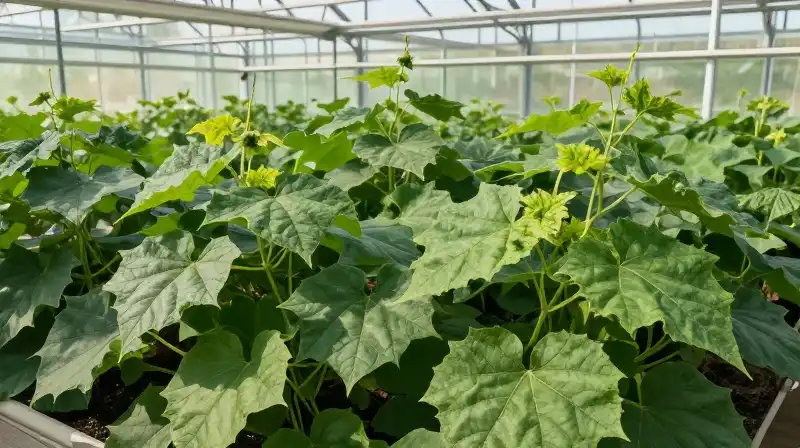
Once the plants are established, consistent attention is required to maintain the high-quality yield expected from this variety. Bush cucumbers are generally tolerant of neglect, but specific maintenance habits will optimize their growth.
Moisture and Mulch Management
Consistent and ample moisture is paramount, particularly during periods of heat and drought. Because these varieties have shallow root systems, they can experience rapid drying.
- Monitoring: Check container plants daily, ensuring the soil remains consistently moist but not waterlogged.
- Mulching: Apply a layer of mulch around the base of the plants. This helps regulate soil temperature and is highly effective in reducing moisture loss from the soil surface.
Nutrition and Protection
To sustain high yields, a regular feeding schedule and protection from pests are necessary.
- Feeding: Provide liquid fertilizer or a nutrient boost every other week. This supports continuous fruit set and encourages a robust structure.
- Bird Deterrence: Young seedlings are vulnerable to bird damage. Use plastic berry baskets as a simple protective barrier. Ensure these baskets are removed once the plants become crowded to allow for air flow and reduce disease risk.
Harvesting and Quality Assurance
Harvesting bush cucumbers requires specific knowledge to ensure the plant continues to produce fruit without structural damage. The goal is timely removal of fully developed fruit.
Never pull the fruit from the vine. Instead, gently cut the cucumber away from the stem. This protects the vascular structure of the vine, signaling to the plant that it should continue to produce, rather than stopping its reproductive cycle.
Harvesting too slowly can lead to bitterness and poor texture. For the best flavor and crispest texture, aim to consume harvested cucumbers within one to two days of picking. Leaving overripe fruit on the plant can sometimes signal a reduction in overall production quality for the remaining crop.
Are Bush Crop Cucumbers Good?
Addressing the common question of whether bush cucumbers are beneficial, the answer lies in their suitability for specific constraints. They are excellent if you are working with limited space (containers, small yards) or if you need a fast turnaround on a compact plant. They excel at delivering a high volume of quality fruit in a small footprint. However, they require the specific heat and soil nutrients mentioned above to truly shine, making them less tolerant of cold starts or poor soil conditions compared to vining varieties.
When making your selection, consider the trade-offs: you gain space efficiency and early harvest potential, but you lose the long, trailing harvest aesthetic of vining plants. If your environment meets the heat requirements and you adhere to the precise spacing and thinning techniques, bush Slicer is a highly reliable and delicious choice for a productive summer garden.
Frequently Asked Questions
Are bush crop cucumbers good?
Bush crop cucumbers are excellent for limited spaces, delivering a high volume of quality fruit in a small footprint. They are a reliable and delicious choice provided the environment meets the necessary heat requirements and specific planting techniques are followed.
How to Cultivate and Harvest Bush Slicer Cucumbers
Ensure optimal environmental conditions
Before sowing, verify that the garden reaches warmth, with nighttime temperatures consistently staying above 55°F (13°C), as the plants are highly susceptible to cold.
Prepare the planting medium
Amend the planting bed or hill with aged manure or high-quality compost to create rich, loose soil that aids in aeration and moisture retention.
Apply strategic spacing and sowing techniques
When planting in the ground, establish mounds three feet apart and sow seeds one inch deep, placing them approximately four inches apart before thinning to the three strongest seedlings. For containers, place seeds four inches away from the edges.
Maintain consistent moisture and temperature
Monitor container plants daily to keep soil consistently moist, and apply a layer of mulch around the base of the plants to reduce moisture loss and regulate soil temperature.
Provide nutrition and pest protection
Supply liquid fertilizer every other week to support continuous fruit set, and use plastic berry baskets as a simple protective barrier against bird damage.
Harvest and ensure quality
Gently cut the fully developed fruit away from the stem, avoiding pulling, and aim to consume harvested cucumbers within one to two days of picking for the best texture.
Related Articles