Midnight Blue Rose: Horticultural Profile and Container Care Guide

Introduction
The midnight blue rose is not a conventional rose variety, but a scientifically documented horticultural innovation that challenges traditional expectations of floral color. Protected by a United States Patent, this Shrub Rose cultivar is celebrated for its complex genetic background and distinctive presentation. If you are seeking a unique and vibrant addition to your garden, understanding the specific traits and requirements of the Midnight Blue Rose is crucial for achieving successful, flourishing growth. This guide details the profile of this variety and provides comprehensive, actionable instructions for its container planting and long-term care.
Horticultural Profile of the Midnight Blue Rose
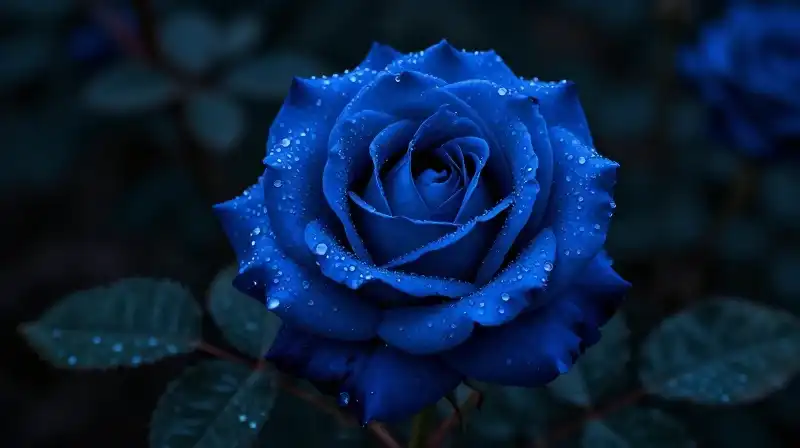
The Midnight Blue Rose is defined as a unique Shrub Rose, developed through complex genetic hybridization. Its development involved the cross of existing lineages, specifically utilizing the Sweet Chariot and Blue Nile varieties, with another complex genetic origin serving as the pollen parent. This meticulous process resulted in a plant with a distinctive, rare appearance that sets it apart from standard garden varieties.
The variety has been scientifically documented and observed in environments such as Upland, California, often reaching maturity as a three-to-four-year-old plant. Its characteristics include its nearly black, velvet purple hue—a feature that distinguishes it dramatically—and a spice clove fragrance. While the name “midnight blue” suggests a blue coloration, the true aesthetic is a very deep, richly pigmented purple.
Container Selection and Soil Preparation
For effective container gardening of a Midnight Blue Rose, careful selection of the planting vessel and medium is essential. These factors directly impact the plant’s health and its ability to thrive in a confined space.
Choosing the Right Container
To accommodate the root system and overall structure of a Shrub Rose, choose a container with the following minimum specifications:
- Minimum Dimensions: The container must be at least two feet wide and two feet deep.
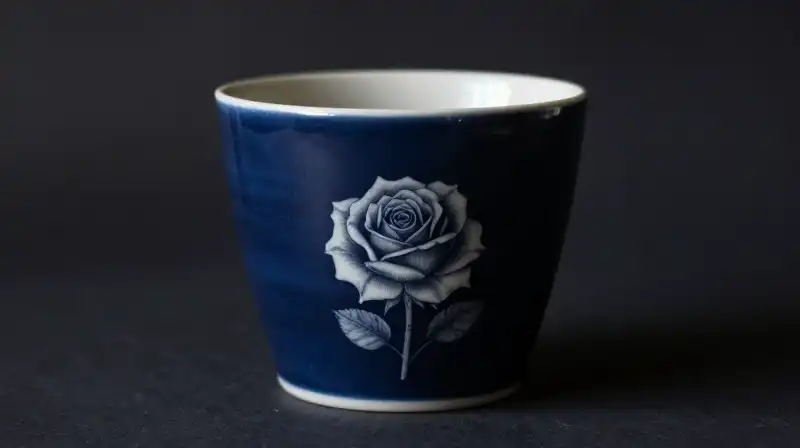
- Material: Durable, heavy materials such as glazed ceramic or concrete are recommended to ensure stability and longevity, especially for permanent outdoor installations.
- Drainage: Adequate drainage is non-negotiable. Proper drainage prevents water from pooling and significantly reduces the risk of damaging root rot.
Optimizing the Growing Medium
Utilize a high-quality potting mix as the base for your planting. Enhance this mix by incorporating compost to actively improve the soil’s water retention capabilities. This combination provides the necessary aeration for robust root development while ensuring the plant does not dry out too quickly during warm weather.
Maintenance and Seasonal Care Guide

Successful cultivation of the Midnight Blue Rose requires consistent maintenance, particularly concerning moisture and nutrition. Establishing a predictable routine is key to maximizing its potential.
Water Management
Maintain consistent moisture levels in the soil. The goal is to keep the soil consistently damp but not saturated. Avoid allowing the container to dry out completely, which can cause stress, while also preventing the ground from becoming waterlogged.
Fertilization Strategy
When a Midnight Blue Rose is young, avoid using granular or time-release fertilizers, as these can stress the delicate root system. Instead, utilize liquid fertilizers in the initial development stages. Once new growth begins and following successful bloom flushes, establish a regular fertilization schedule.
- Timing: Begin regular fertilization only after new growth has started.
- Climate Consideration: In colder climates, you must cease fertilization approximately six to eight weeks before the expected first frost.
Addressing Common Rose Queries
Garden enthusiasts often have specific questions about the presence and reality of this unique cultivar, as well as its availability.
Are Midnight Roses Real?
Yes, the Midnight Blue Rose is a scientifically documented reality. It is a specific, patented Shrub Rose cultivar whose unique characteristics—the deep purple, velvet-like color and unique fragrance—are verifiable traits of this specific hybridization. It is a genuine example of advanced horticultural selection.
Where to Find the Midnight Blue Rose?
As a specialized and patented variety, availability may vary. Garden centers specializing in unique or patented rose cultivars, or direct breeders, are the best sources for purchasing a Midnight Blue Rose bush.
Practical Warnings and Growing Limitations
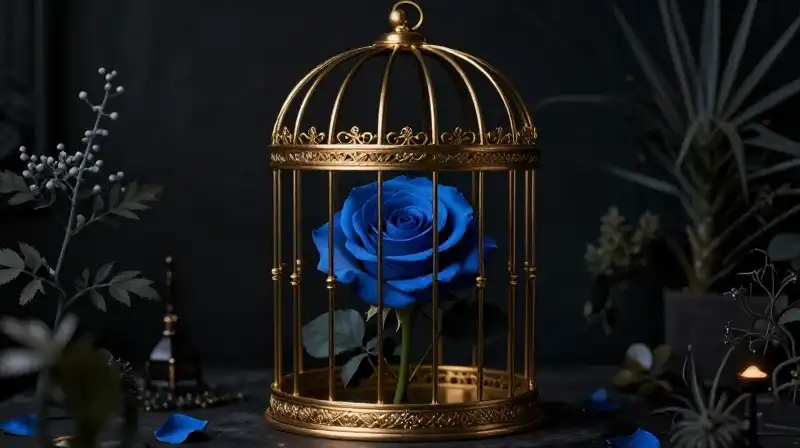
While the Midnight Blue Rose offers unique beauty, certain limitations exist that gardeners must manage to avoid common pitfalls.
- Fragility of Early Growth: In the initial stages of development, the plant is sensitive; always opt for liquid feeding rather than slow-release fertilizers.
- Climate Dependence: Success heavily relies on the environment. While it is a resilient Shrub Rose, it performs optimally in climates that can support consistent growth cycles before the onset of severe frost.
- Visual Expectation: The “midnight blue” description refers to a deeply pigmented, almost black purple, rather than a true blue color.
Strategic Growing Synthesis

Cultivating the Midnight Blue Rose successfully centers on balancing specialized needs with diligent maintenance. By choosing a large, well-draining container, utilizing a moisture-retaining soil enriched with compost, and applying liquid fertilizers strategically during the growing season, you create the optimal environment. Remember that consistent moisture, coupled with the correct timing of fertilization—ceasing entirely before the first frost—is the critical path to a thriving, magnificent, and patented specimen.
Explore more: Celtic Symbols for Brotherhood: Meanings and Interpretations
Frequently Asked Questions
Are midnight roses rare?
The Midnight Blue Rose is described as a unique and rare appearance due to its complex genetic background. As a specialized and patented variety, its availability may vary.
How to Grow and Maintain the Midnight Blue Rose
Select the Container
Choose a durable container (such as glazed ceramic or concrete) that is at least two feet wide and two feet deep, ensuring it has adequate drainage to prevent root rot.
Prepare the Growing Medium
Use a high-quality potting mix and enhance it by incorporating compost to improve the soil’s water retention and aeration.
Manage Water Levels
Maintain consistent moisture in the soil, keeping it damp but not saturated, and avoiding allowing the container to dry out completely.
Fertilize Young Plants
During the initial development stages, use liquid fertilizers to avoid stressing the delicate root system.
Establish a Regular Schedule
Once new growth has begun and after successful bloom flushes, establish a regular fertilization schedule.
Prepare for Winter
In colder climates, cease all fertilization approximately six to eight weeks before the expected first frost.
Related Articles