Hairy Vetch Seeds: A Guide to Cold-Weather Legume Planting

Introduction
Hairy vetch is a premier cold-weather legume, recognized for its ability to significantly improve soil quality while thriving in conditions where many other plants fail. If you are looking to enhance the fertility of your land, manage erosion, or produce high-quality livestock feed during the winter months, understanding hairy vetch seeds and their appropriate application is key. This guide provides a practical overview of the best times, conditions, and methods for planting this hardy legume.
Unlike many traditional crops, hairy vetch is specifically adapted to wetter environments and cooler temperatures. It functions effectively as both a productive cover crop and a forage crop. The goal of this guide is to help you move beyond generic planting advice by offering specific criteria for successful establishment, maximizing its natural benefits—most notably its nitrogen-fixing capabilities.
Hairy Vetch: Benefits of a Cold-Season Cover Crop
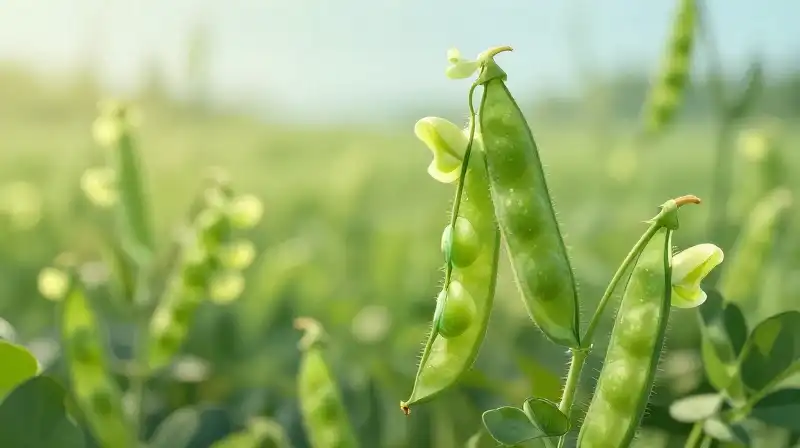
When planted, hairy vetch provides several agricultural advantages. Its strong root system and vining habit allow it to colonize challenging soil types, making it a reliable choice across various climates.
Nitrogen Fixation and Soil Health
The most significant benefit of hairy vetch is its ability to fix atmospheric nitrogen. This process converts inert nitrogen gas into forms plants can use, essentially acting as a natural fertilizer. Over a season, a well-established crop can substantially reduce the need for synthetic nitrogen inputs, leading to healthier soil structure and increased crop yields for subsequent plantings.
Erosion Control and Organic Matter
Hairy vetch acts as a living mulch. Its dense growth covers the soil surface, which is critical for preventing erosion on slopes or in open fields. Furthermore, its root structure and the subsequent breakdown of its biomass contribute significantly to increasing soil organic matter, improving water retention, and reducing runoff.
Optimal Planting Conditions and Timing
Successful hairy vetch cultivation depends heavily on timing and environment. While it is adaptable, meeting certain criteria ensures you maximize growth and seed production.
Ideal Climate and Soil Preferences
- Temperature: Hairy vetch is at its strongest under cool conditions. Germination is most reliable when the soil reaches a minimum temperature of 48°F.
- Soil Types: The plant is highly versatile and performs well in fertile loam, but it is equally capable of growing in sandy or clay soils, where its root structure can help stabilize the ground.
- Exposure: Full sun exposure is required for the plant to properly establish itself and reach its full potential for biomass and seed production.
- Hardiness: It demonstrates strong adaptability across most USDA Hardiness Zones (2 through 10), though it performs optimally in temperate climates.
Strategic Planting Windows
Planting is ideally recommended in the fall. Starting in the fall allows the plants to benefit from the cooler weather and ample moisture, leading to robust growth through winter before the early spring flush. For maximizing its potential as a forage crop, specific seeding rates must be observed to ensure adequate density.
Seeding Rates and Application Methods
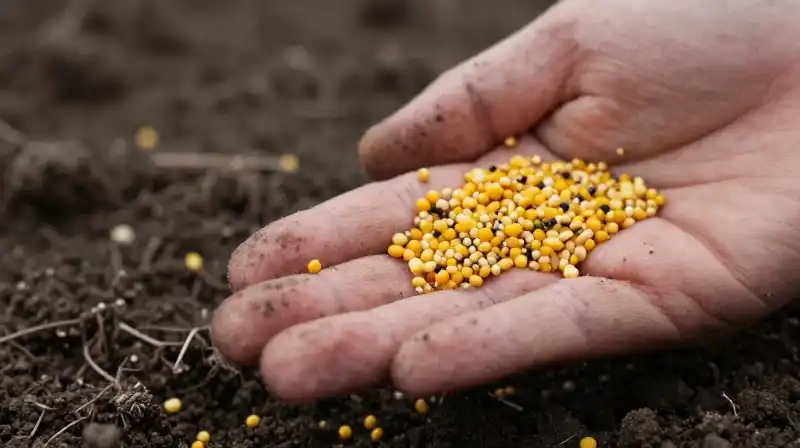
The required density for hairy vetch depends on the intended use—whether you are prioritizing soil improvement (low density) or forage production/silage (higher density). Always consult specific hairy vetch seed for sale suppliers for the most accurate local rates.
Typical Seeding Recommendations
According to general agricultural standards, hairy vetch is often seeded at rates ranging from 20 to 40 pounds per acre for broad coverage. However, these rates vary significantly based on:
- Soil Goal: If the primary goal is soil health and nitrogen fixation, a lower seeding rate may suffice.
- Crop Succession: If the hairy vetch is intended to be harvested for livestock, a denser planting is necessary to maximize yield.
- Vertical Support: When used with grains like rye, planting requirements may vary based on the height and support structure needed.
Planting Technique
Hairy vetch seeds are typically spread over the ground in fall sowing applications. Given its vining nature, planting it alongside grains or other taller crops is a common practice. This pairing allows the vetch to climb and receive vertical support, optimizing light exposure and reducing competition with the shorter plants.
Uses for Hairy Vetch: Forage vs. Cover Crop
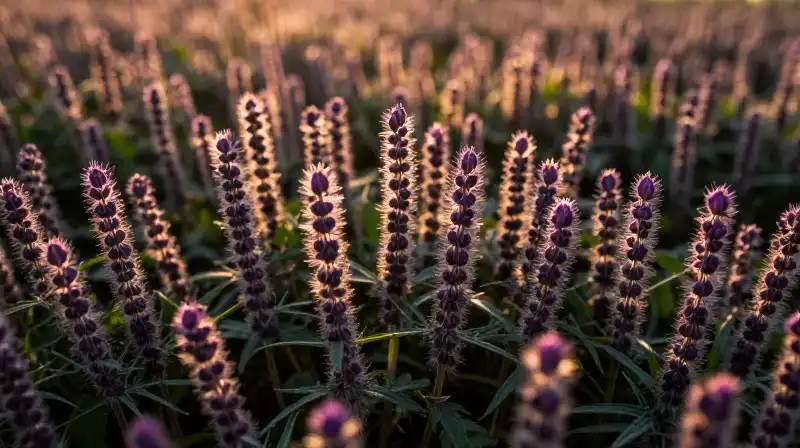
Beyond its environmental benefits, hairy vetch is a commercially valuable crop. Its usage depends entirely on the time of harvest and the planting density.
| Usage Category | Primary Purpose | How it is Utilized | Key Outcome |
|---|---|---|---|
| Cover Crop | Soil conditioning and erosion prevention | Left to over-winter, then tilled in or mowed prior to next planting. | Increased soil organic matter and nitrogen availability. |
| Livestock Feed / Silage | Nutrition for cattle, sheep, etc. | Mowed or harvested while actively growing (usually early spring). | High-protein fodder and winter feed reserves. |
| Hay Production | Commercial forage | Harvested at peak bloom/maturation. | High-quality dried hay for sale. |
Practical Considerations and Avoiding Common Pitfalls
While hairy vetch is generally robust, certain conditions or miscalculations can prevent its success. Paying close attention to these details helps avoid frequent issues.
Ensuring Successful Germination
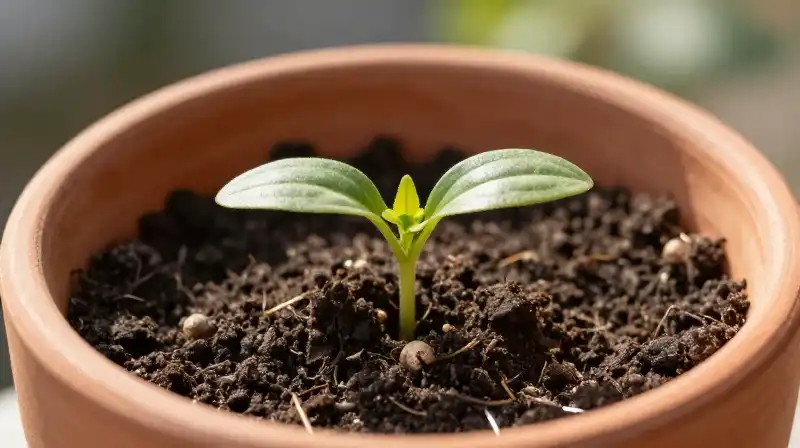
The primary challenge for hairy vetch is ensuring the soil is cool enough for proper germination. If planting occurs during a summer heat wave, the seed may fail to sprout. Check local climate forecasts and ensure the soil temperature meets the 48°F minimum threshold before planting.
Managing the Vining Habit
As a vigorous climber, hairy vetch requires space. If planted alone in a small area without sufficient room to climb or without a support structure, it can become overly bushy and may shade the ground prematurely, limiting the efficiency of its nitrogen-fixing process. Planting with suitable vertical partners is the most effective management approach.
Summary of Best Practices for Hairy Vetch Seed
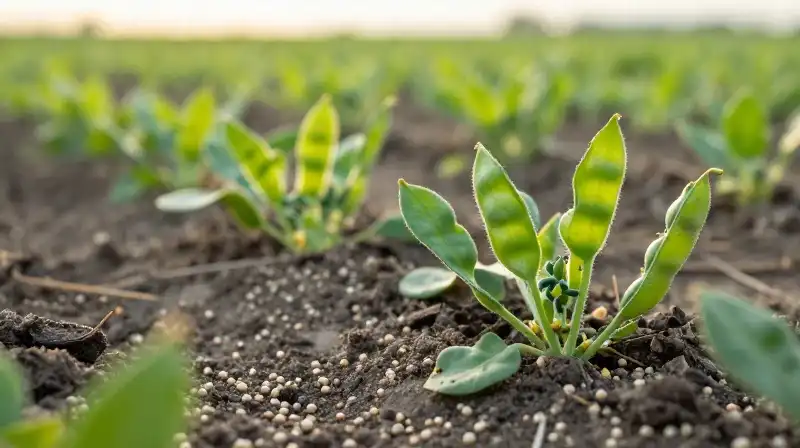
To summarize the best way to utilize hairy vetch seeds, remember that the plant thrives when you provide cool soil, ample moisture, and specific timing. By understanding its role as a powerful soil conditioner, you can make informed decisions about its use. Optimal success is achieved by:
- Selecting planting times in the fall to maximize cold-weather growth.
- Ensuring the seed depth allows for consistent germination (requiring a minimum soil temperature of 48°F).
- Adjusting seeding rates based on the intended end goal: cover crop vs. forage.
- Pairing with vertical support crops or grains to manage its vining habit effectively.
By treating hairy vetch not just as a seed, but as a comprehensive soil management tool, you ensure a strong return on investment in soil health and agricultural productivity.
How to successfully plant and cultivate Hairy Vetch
Verify environmental conditions
Before planting, confirm the soil is cool enough for germination (minimum 48°F) and that the area receives full sun exposure.
Select the planting window
Ideally, plant hairy vetch in the fall to take advantage of cooler weather and ample moisture, allowing for robust growth through the winter.
Determine seeding rates
Adjust the seeding density based on your goal: use a lower rate for soil health and nitrogen fixation, or a higher density for forage production and silage.
Apply the seeds
Spread the hairy vetch seeds over the ground using fall sowing applications.
Manage the vining habit
Pair the vetch with taller crops or vertical support structures like grains to allow it to climb, optimizing light exposure and reducing competition.
Related Articles