Growing Japanese Skimmia: Comprehensive Guide to Care

Introduction
Japanese skimmia, scientifically known as *Skimmia japonica*, is a beloved ornamental shrub prized for its dense, mounded habit and distinctive aromatic foliage. More than just a common hedge plant, it is recognized for its unique biological cycle and its ability to thrive in specific, sheltered environments. For gardeners, successfully growing skimmia involves understanding its specific light, soil, and reproductive requirements. This guide details the comprehensive care necessary to ensure your skimmia flourishes, transforming it from a resilient shrub into a beautiful specimen.
Understanding Skimmia japonica: Key Characteristics
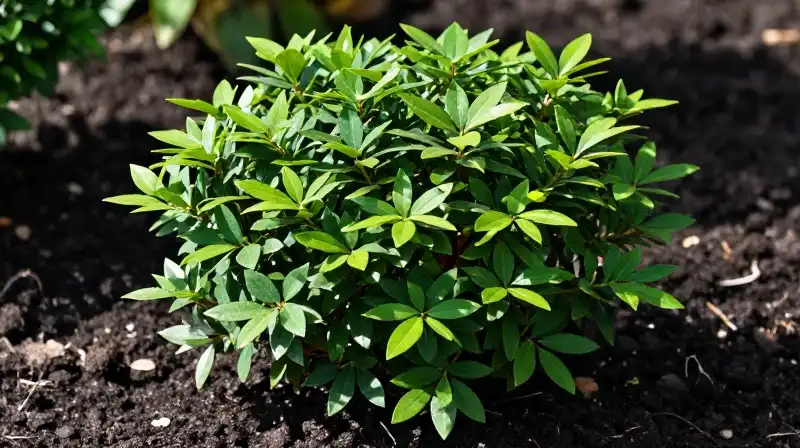
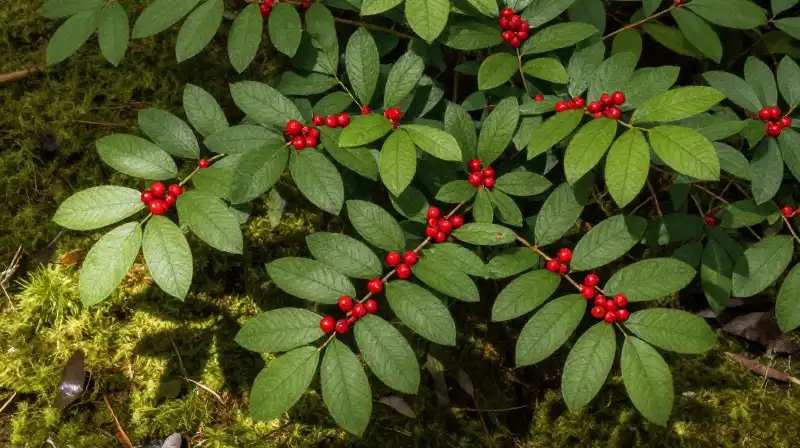 *Skimmia japonica* is a broadleaf evergreen shrub native to the temperate regions of East Asia. Its inherent structure provides a lush backdrop for most gardens. A mature skimmia typically spreads between 2 and 7 feet in height and 3 to 5 feet in width, maintaining a compact, full silhouette. The plant is dioecious, a botanical trait meaning it produces two distinct types of plants:
- Male Plants: These are responsible for pollen production.
- Female Plants: These plants develop the attractive reproductive structures.
Female plants are notably more vigorous and generally exhibit a wider spread than their male counterparts. While males rarely produce striking reproductive displays, females are the producers of the appealing creamy white flowers and the persistent red drupes in autumn.
Optimal Growing Conditions for Skimmia
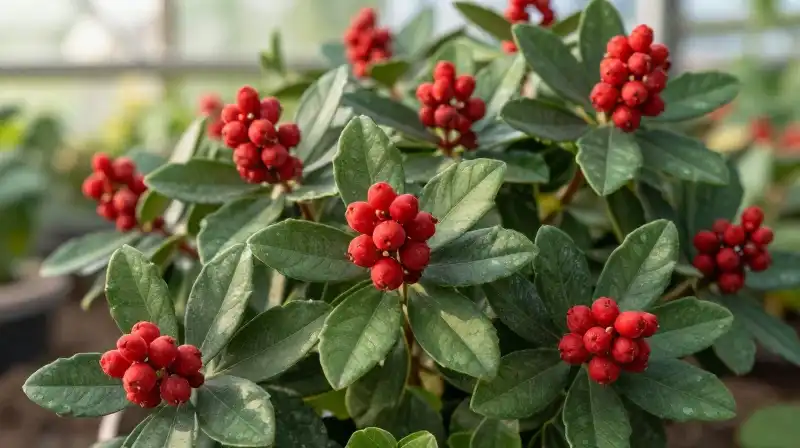 The success of skimmia hinges on providing it with the precise environmental conditions it evolved to prefer. Unlike sun-loving shrubs, skimmia requires a specific balance of moisture and protection from intense heat.
Light Requirements: Protection from the Sun
Skimmia performs optimally in part to full shade. While it is hardy and tolerant of moderate pollution, direct, intense sun will quickly damage the foliage, leading to scorching and browning. The leathery, dark green leaves are best preserved when dappled sunlight filters through nearby trees or structures. A shaded setting helps maintain the ideal cool temperatures necessary for its leaves to remain vibrant and healthy.
Soil and Hydration: Acidic Needs
This shrub requires rich, acidic, and extremely well-drained soil.
- Soil Type: Acidic soil (pH usually 5.5–6.5) is essential as it helps the plant absorb nutrients effectively.
- Drainage: Poor drainage is the primary cause of root rot in skimmia. Ensure the planting location allows excess water to move away freely.
- Watering: Maintain consistent moisture, particularly during drier months. Skimmia dislikes drying out but cannot tolerate “wet feet” during winter.
Seasonal Care and Features
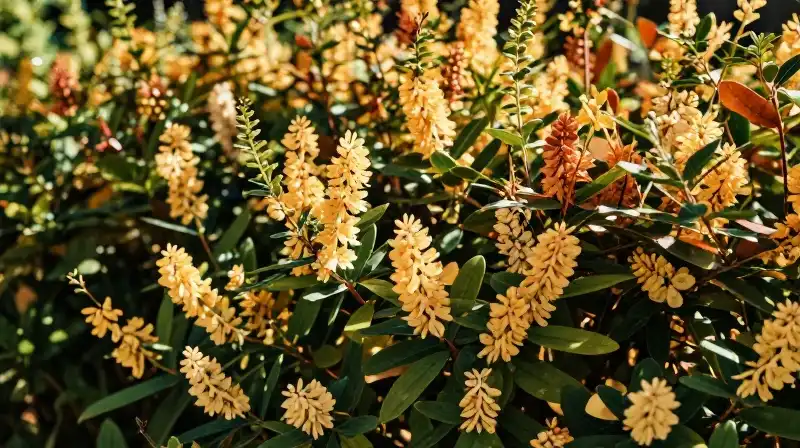 Skimmia offers a continuous visual interest, beginning with its foliage and peaking with its floral and fruiting cycles.
Foliage and Fragrance
The foliage of *Skimmia japonica* is dense and oval to obovate, featuring a dark, lustrous green. A unique aspect of this plant is the strong spicy fragrance released when the leaves are crushed. Because it is a broadleaf evergreen, the shrub provides year-round structure and color to shaded landscapes.
Bloom and Fruit Cycle
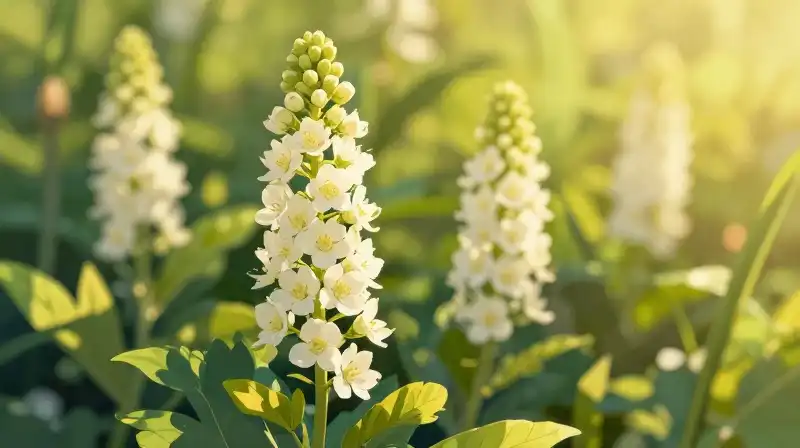
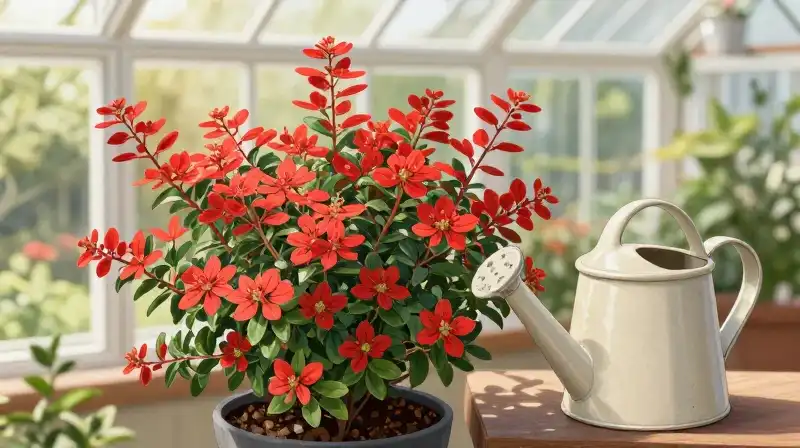
Mid-spring brings the reward of creamy white, mildly fragrant flowers. These bloom in terminal panicles on the female plants. Following the flowers, female plants develop small, spherical red drupes in the autumn. These bright red fruits are particularly attractive and persist on the branches throughout the winter, offering a final burst of color before the following spring growth.
Managing Pests and Avoiding Environmental Stress
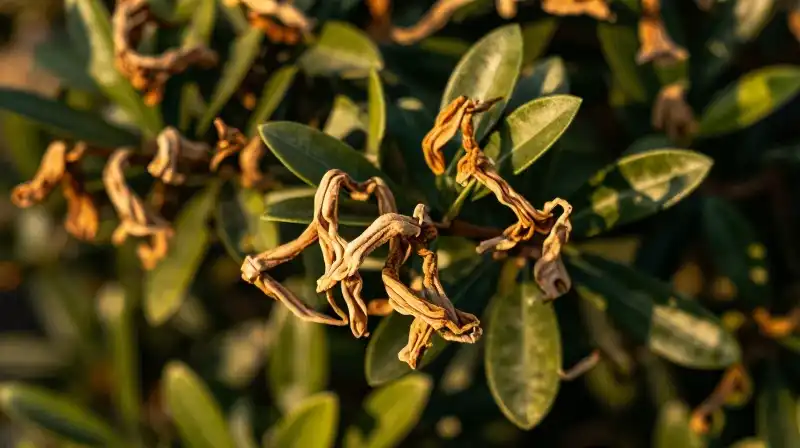 While generally low maintenance, skimmia is not immune to common garden pests or environmental stress. Vigilance is key to keeping your specimen healthy.
Pest Control
Skimmia can become susceptible to pests when conditions are warm and dry. Watch for infestations of:
- Scale
- Aphids
- Spider mites
If you observe signs of infestation, horticultural oil sprays or insecticidal soap are effective remedies.
Preventing Scorching and Disease
The most significant environmental error in growing skimmia is placing it in full, direct sun. To prevent the leaves from scorching, always choose a spot that receives indirect or filtered light. Additionally, maintaining the proper soil pH prevents nutrient lock-out, which can otherwise weaken the plant and make it more vulnerable to disease.
Navigating Reproductive Choices: Female vs. Male Plants
When deciding where to place your skimmia in a garden design, understanding the difference between male and female plants is helpful for predicting spread and appearance. Since female plants are the ones that produce the ornamental flowers and the persistent red fruit, gardeners often prefer to place females in more prominent spots. If you are buying a skimmia for sale, knowing whether it is a male or female plant will determine its future contribution to the garden’s aesthetics and function.
A Practical Approach to Growing Skimmia
 To summarize the requirements for a thriving *Skimmia japonica*, focus on these essential practical steps:
- Location: Select a spot that provides dappled to partial shade, protecting it from harsh, midday sun.
- Substrate: Amend the soil to ensure it is rich, acidic, and highly permeable to prevent water logging.
- Maintenance: Water consistently while maintaining high drainage and provide fertilization appropriate for acidic plants.
- Observation: Inspect the foliage regularly for signs of scale, mites, or sun scorch, especially during warmer months.
By prioritizing these conditions and respecting its dioecious nature, you can successfully cultivate Japanese skimmia into a robust, low-maintenance, and structurally significant element of your landscape.
How to grow Skimmia japonica
Select Location
Choose a spot for the skimmia that provides dappled to partial shade, ensuring it is protected from harsh, midday sun.
Prepare Substrate
Amend the soil to make sure it is rich, acidic, and highly permeable to prevent water logging and root rot.
Maintain Consistent Watering
Water consistently while maintaining high drainage and providing fertilization appropriate for acidic plants.
Regular Observation
Inspect the foliage regularly for signs of scale, mites, or sun scorch, especially during warmer months to prevent environmental stress.
Related Articles