Growing Japanese Boxwood Green Beauty: Care and Requirements

Introduction
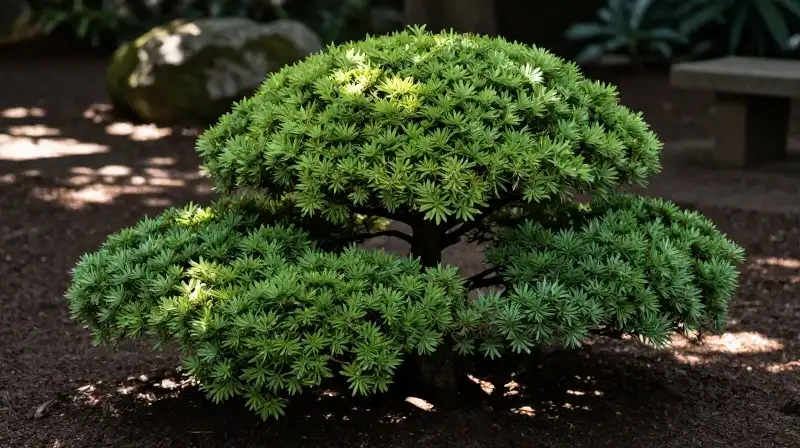
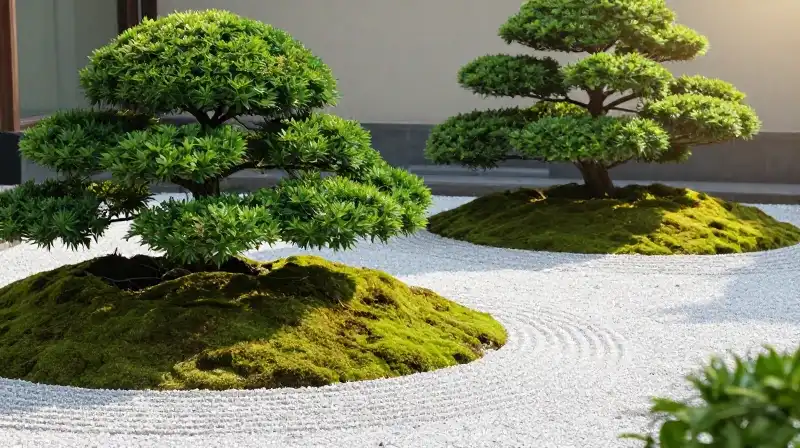
The Japanese boxwood ‘Green Beauty’ is a cherished specimen among landscape enthusiasts, prized for its dense, sculptural habit and rich, dark green foliage. Unlike some varieties, this cultivar offers a perfect balance of compact growth and vibrant color, making it an excellent choice for defining spaces, creating formal hedges, or providing a focal point in shaded gardens. Successfully growing buxus green beauty requires attention to its specific environmental tolerances, particularly regarding soil consistency and winter protection. This guide provides the detailed care requirements necessary to ensure your plant reaches its full potential without succumbing to common landscaping pitfalls.
Ideal Growing Conditions for Success
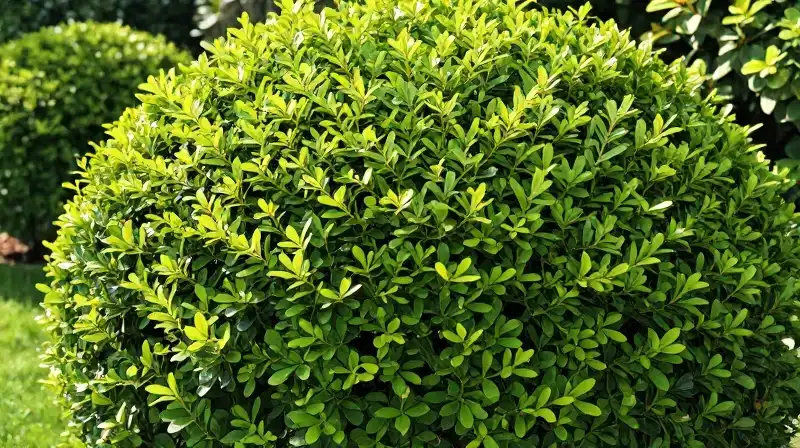
To establish a healthy buxus green beauty, you must first meet its specific requirements for light and location. While the plant is adaptable, optimal growth is achieved when conditions are precisely met.
Light and Placement: This shrub thrives in light that ranges from full sun to part shade. If positioned in full sun, ensure the location receives morning sun followed by adequate afternoon shade, which helps prevent excessive leaf scorch. Dappled light or gentle morning sun is often ideal, allowing the plant to maintain its intense, vibrant green color year-round.
Temperature and Hardiness: The buxus green beauty is well-suited to USDA hardiness zones 6 through 9. While it handles heat and humidity well, it requires protective measures during the colder months.
Soil, Moisture, and Root Health
The foundation of healthy Japanese boxwood cultivation lies in the soil it is planted in. The plant’s preference is for rich, loamy soil that offers excellent drainage. Because the plant is susceptible to root rot, water retention is a delicate balance.
Soil pH and Type: The shrub tolerates a range from slightly acidic to slightly alkaline soil, but well-draining loam is paramount. It is recommended to incorporate plenty of organic matter into your planting area to improve aeration and structure.
Watering Needs: The buxus green beauty requires the soil to remain evenly moist. Never allow the soil to dry out completely, but similarly, never allow it to stay waterlogged. Deep, consistent watering is necessary during periods of active growth to support the dense, broadleaf canopy.
Cultivation and Pruning Techniques
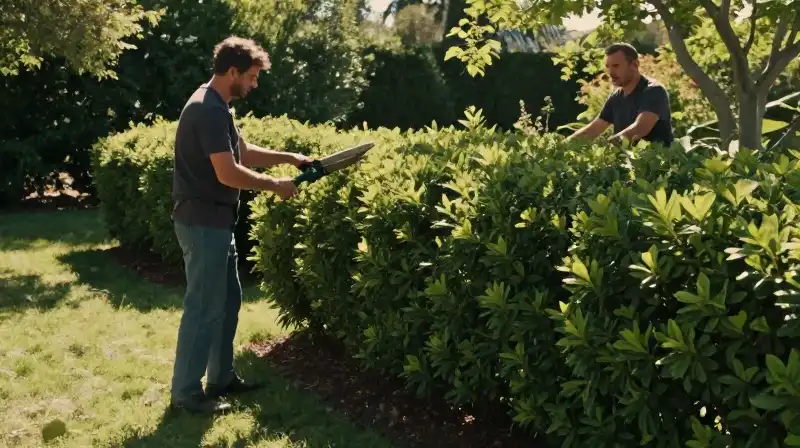
One of the most appealing attributes of this cultivar is its ability to handle shaping. However, proper timing is crucial to ensure the pruning enhances the plant rather than damaging it.
Pruning Tolerance: Japanese boxwood is highly tolerant of shearing and shaping, making it suitable for clipped hedges and topiary forms. To maintain its characteristic compact, rounded silhouette (which typically matures at 3 to 5 feet), regular shaping is necessary.
Timing Caution: Although highly tolerant of pruning, sharp cuts should be avoided until after the final spring frost. Pruning during cold temperatures can damage new buds and stress the plant, hindering recovery. The goal is to shape the plant during the active growing season to encourage a dense, evergreen form.
Protecting Against Environmental Stress
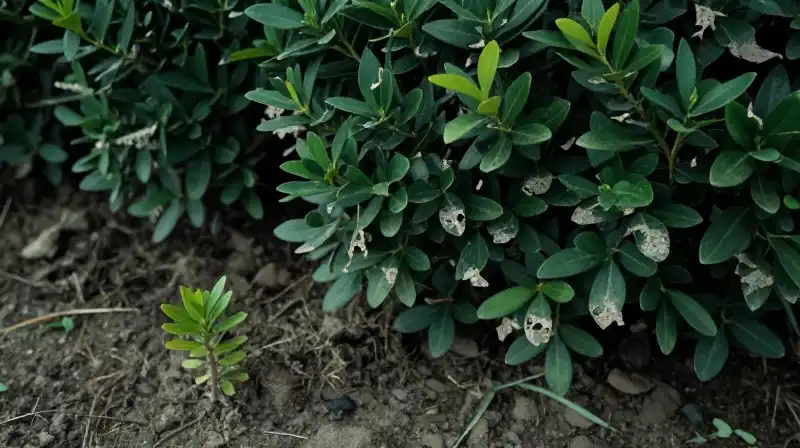
Even hardy shrubs require protection when facing extreme conditions. The two main external threats to buxus green beauty are dehydration from wind and fungal damage from wet, cold weather.
Wind and Dehydration: Because Japanese boxwood has shallow roots, it is susceptible to drying out quickly when exposed to harsh winter winds. These drafts can cause the leaves to dry, resulting in browning and premature foliage loss. In areas with severe winds, provide windbreaks or shelter the plant during the winter months.
Foliage Health: The dark green leaves maintain their color well, especially when kept in a protected or shaded area. However, during cold winter spells, leaf bronze formation is a common issue. This is a form of chilling damage; it is not a disease, but a stress response that requires protection from extreme cold.
Pest, Disease, and Preventative Maintenance
While buxus green beauty is relatively resilient, certain biological threats can compromise its health. Establishing a proactive maintenance routine is the best defense.
Common Pests: Be vigilant for several common landscape pests, including the leaf miner and the box tree moth. Early detection of insect activity allows for localized treatment with appropriate horticultural oils or insecticidal soaps.
Disease Management: The plant can be vulnerable to various blights and leaf spots. These fungal issues typically flourish in stagnant, damp conditions, especially when combined with poor air circulation. Ensure good spacing between shrubs and maintain adequate moisture while ensuring the plant can dry out between deep waterings.
The Role of Mulch: A simple, yet effective, maintenance task is applying an organic layer of mulch, such as bark or compost, 1–2 inches deep around the base of the plant. This layer helps regulate soil temperature, retain moisture, and keeps the shallow roots cool and protected from wind exposure.
Critical Synthesis for Successful Growth
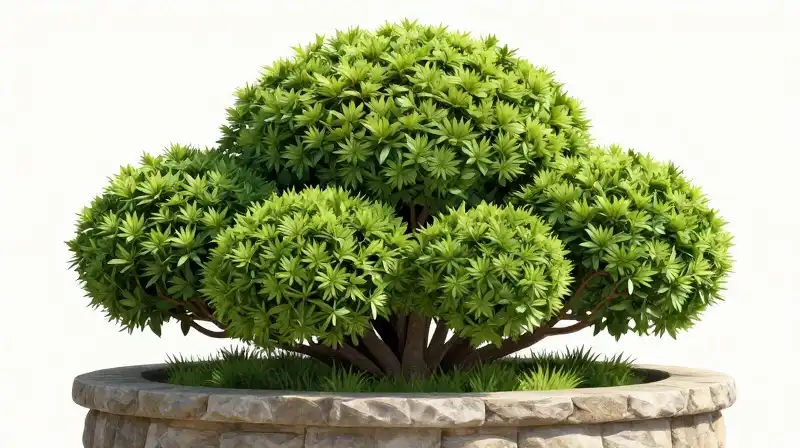
Achieving a flourishing buxus green beauty involves a consistent balance of environmental management and horticultural care. To prevent confusion or error, keep these four criteria as your primary checklist:
- Drainage is Non-Negotiable: Prioritize well-draining loam to prevent the most common failure point—root rot.
- Manage Seasonal Stress: Protect the shrub from harsh winter winds and extreme cold drafts, as these trigger dehydration and leaf bronze.
- Respect the Pruning Schedule: Limit major shaping and shearing until the season is well past the risk of the last spring frost.
- Check Regularly for Subtle Threats: Because this cultivar is dense, pests like leaf miner and diseases like leaf spots can go unnoticed. Regular visual checks are essential for timely intervention.
By adhering to these precise care parameters, your buxus green beauty will develop the dense, attractive habit it is known for, transforming it into a resilient and stunning year-round feature in your landscape.
How to Grow and Maintain Japanese Boxwood 'Green Beauty'
Select Location and Prepare Soil
Choose a spot with dappled light or gentle morning sun. Plant the shrub in rich, well-draining loamy soil enriched with organic matter to improve aeration.
Manage Watering Needs
Keep the soil evenly moist during active growth. Ensure water is provided consistently to support the canopy without allowing the soil to become waterlogged or completely dry.
Schedule Pruning Correctly
Regularly shear and shape the shrub during the active growing season to maintain its dense form, but avoid sharp cuts until after the final spring frost to prevent bud damage.
Implement Winter Protection
In areas with harsh winds or extreme cold, provide windbreaks or shelter the shrub during the winter months to prevent dehydration and leaf bronze.
Apply Mulch for Protection
Apply an organic layer of mulch, such as bark or compost, 1 to 2 inches deep around the base of the plant to regulate soil temperature and retain moisture.
Monitor for Pests and Disease
Regularly inspect the plant for common pests like leaf miner or box tree moth. Ensure good spacing and allow the plant to dry out between deep waterings to prevent fungal issues.
Related Articles