Garlic Bulbils: Cultivating Bulbs vs. Growing Chives

Introduction
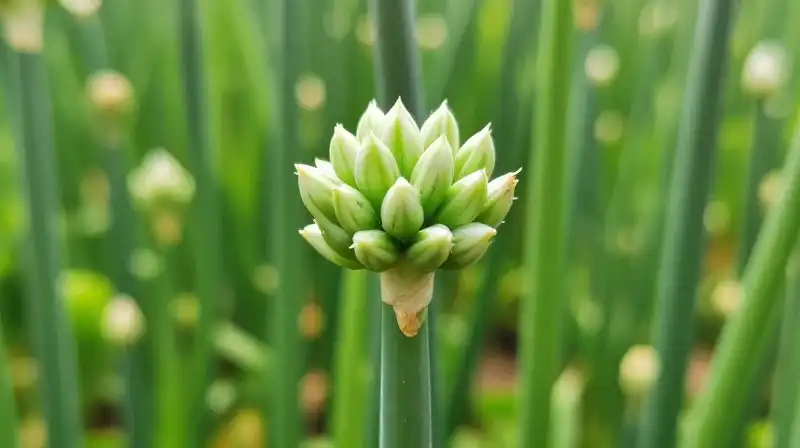
A bulbil is a small vegetative propagule found on hardneck garlic plants, functioning as a form of clonal asexual reproduction. Often misunderstood as a standard garlic seed, a bulbil is technically the result of the plant’s vegetative growth, typically emerging from the mature scape at the top of the bulb. Because of this nature, a bulbil presents growers with a specific planting decision: use it as a starter for a full, edible garlic bulb, or propagate it densely to create a carpet of edible garlic chives. Understanding the unique characteristics and requirements of bulbils is crucial before selecting the appropriate use for this specialized garlic material.
What Defines a Garlic Bulbil?
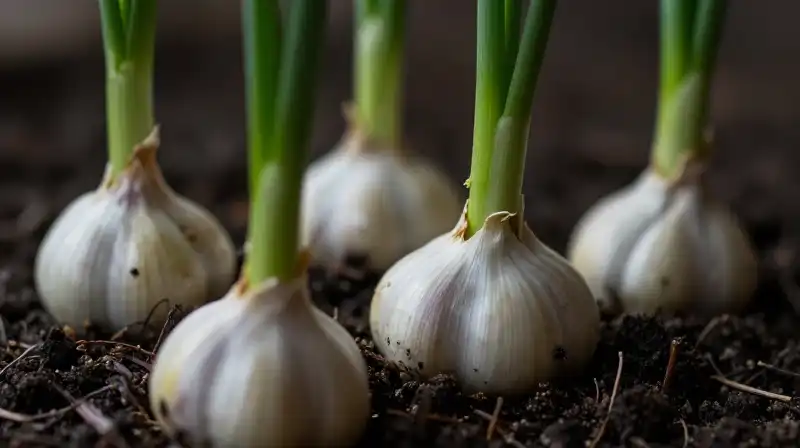
Garlic bulbils are fundamentally different from traditional, true garlic seeds. While a true seed is designed for genetic recombination and diversity, the bulbil is a highly localized, clonal fragment of the parent plant. This means that the resulting garlic from a bulbil will be genetically identical to the parent plant it originated from. They are most commonly found on hardneck garlic varieties.
Depending on the stage of development, bulbils can vary greatly in size, ranging from microscopic particles to much larger, established propagules. When planting a bulbil, the expected outcome is the development of a single, distinct garlic clove that will eventually form a complete bulb upon harvest. This method of propagation allows for the rapid expansion of a specific cultivar without the genetic variability associated with seed saving.
Growing Bulbils for Full Garlic Bulb Harvest
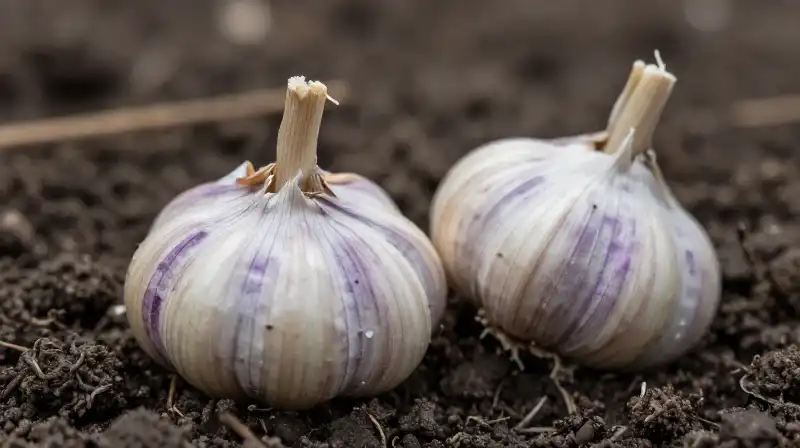
The primary goal of planting a bulbil for bulb harvest is to produce a healthy, mature bulb ready for cooking. However, success with this method relies heavily on starting with high-quality material. Not all bulbils are created equal; larger, more established cloves or bulbs are always preferable to microscopic, nascent bulbils.
When a bulbil is successfully planted, it develops into a single clove. This clove then needs the proper conditions—soil, moisture, and air circulation—to transition from a propagule into a robust, full garlic bulb. The genetic stability of the clonal propagation ensures that the resulting bulb maintains the desired flavor and characteristics of the parent hardneck plant.
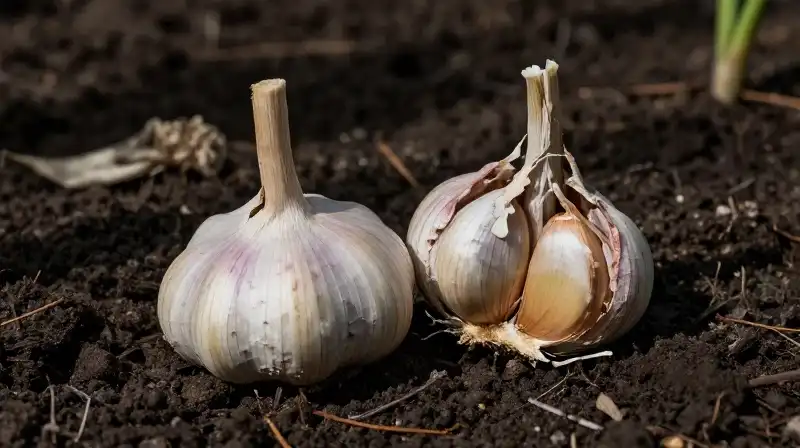
Practical Consideration for Bulb Growers: For optimal results and faster development, start your planting process with fully mature, large cloves harvested from last season. While bulbils work, large mature cloves provide a more definitive starting point for a high-quality harvest.
Cultivating Bulbils for Edible Garlic Chives
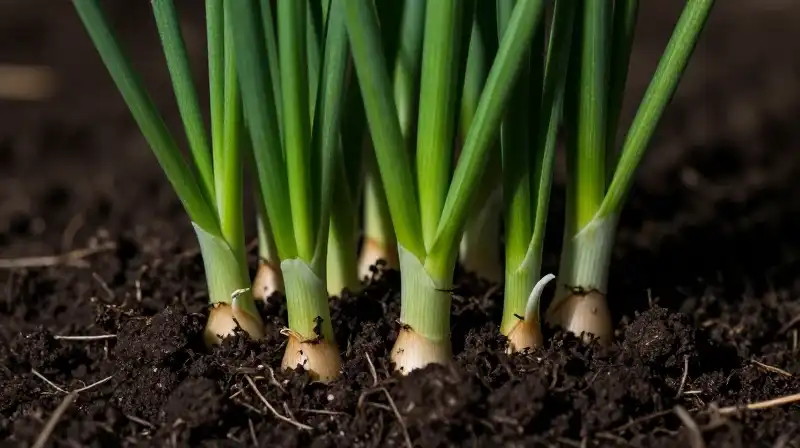
An alternative and often highly practical use for garlic bulbils is the cultivation of edible greens, specifically garlic chives. Unlike growing individual bulbs, this method involves planting the bulbils extremely densely. When planted closely together, the propagules develop over the winter and emerge in the spring as green shoots, or chives, which are prized for their sharp, garlic-like flavor.
This method is ideal for continuous harvesting and providing a steady supply of culinary greens. The density is the key factor here; planting them too sparsely will result in individual chives rather than the desirable thick, carpet-like cover. Garlic chives grown this way are a versatile ingredient used in salads, pest deterrent gardens, and various soups.
Comparison: Bulb Propagation vs. Chive Growth
The choice between growing a single bulb and growing chives hinges entirely on the end product desired and the management intensity you are willing to provide. Below is a summary contrasting the two approaches:
| Feature | Full Bulb Cultivation | Garlic Chive Cultivation |
|---|---|---|
| Goal | Large, mature, edible bulb | Continuous harvest of fresh greens |
| Planting Method | Single bulbil/clove per spot | High density (close planting) |
| Primary Yield | One substantial bulb per plant cycle | Multiple small shoots (harvestable) per spot |
| Maintenance Focus | Long-term bulb development, hardening, and harvest | Vigilant weed control, continuous thin harvesting |
While the technical process of planting may be similar, the management philosophy differs: bulb growing focuses on the eventual single crop, while chive growing requires continuous, intensive maintenance to maintain density and maximize greens.
Addressing Common Bulb Problems and Best Practices
Successful use of garlic bulbils demands attention to specific cultivation details, especially when targeting high yields for chives.
Weed Management
When growing chives, the intense density required means there is minimal space between the propagating bulbils. Weeds can easily establish and compete for resources. Constant weed management—either through careful manual removal or strategic mulch application—is essential to ensure the garlic propagules thrive and maintain their vigor. Without diligent weed control, the chive “carpet” will fail, and the yield will be reduced to patchy growth.
Propagule Health
When sourcing bulbils, look for healthy, vibrant material. If the bulbils show signs of rot, discoloration, or fungal growth, they should not be planted. Rot can spread, especially in high-density chive crops. Ensure the planting medium is well-draining, as overly saturated soil encourages decay and weakens the propagule’s ability to successfully establish.
Choosing the Right Application for Your Garden
The ultimate decision rests on your available space, time, and intended harvest. Do you need a large stockpile of bulbs for storage and cooking, or do you prefer a sustainable, perennial source of fresh greens throughout the season? Both uses of garlic bulbils are valid and provide distinct culinary benefits, but they require different gardening strategies.
Summary Criteria for Decision Making:
- If you prioritize bulk and storage: Use a bulbil/clove method with adequate spacing to maximize individual bulb size and reach maturation.
- If you prioritize fresh greens and continuous supply: Use a dense planting of bulbils for chives, but commit to rigorous weed suppression and thinning techniques.
Regardless of the chosen method, remember that garlic bulbils are a fantastic, specialized method of propagation that allows the faithful continuation of a specific hardneck cultivar. By recognizing its clonal, vegetative nature, you can optimize your planting for either harvest.
How to Cultivate Garlic Bulbils for Edible Chives
Source Healthy Bulbils
Select vibrant bulbils and discard any material that exhibits signs of rot, discoloration, or fungal growth.
Prepare Planting Medium
Ensure the planting medium is well-draining, as saturated soil encourages decay and prevents the propagule from establishing.
Plant with High Density
Plant the bulbils extremely densely, as this close planting is essential for developing the thick, carpet-like cover of chives.
Manage Weeds
Employ constant weed management, such as careful manual removal or strategic mulch application, to ensure the garlic propagules thrive and maintain vigor.
Related Articles