Growing Eternal Fragrance Daphne: A Complete Care Guide

Introduction
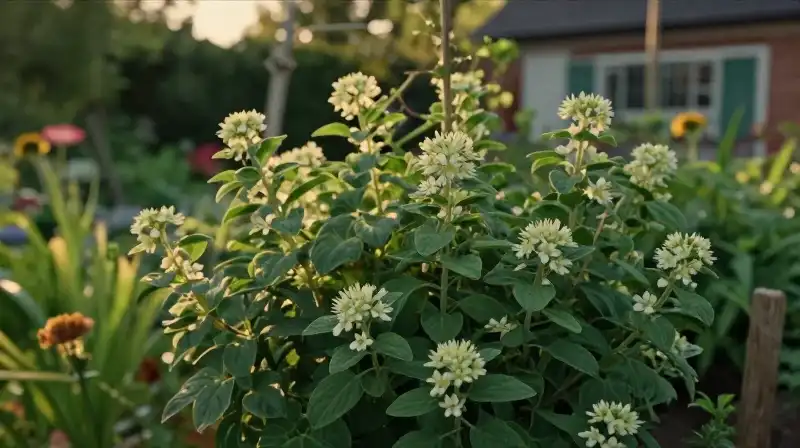
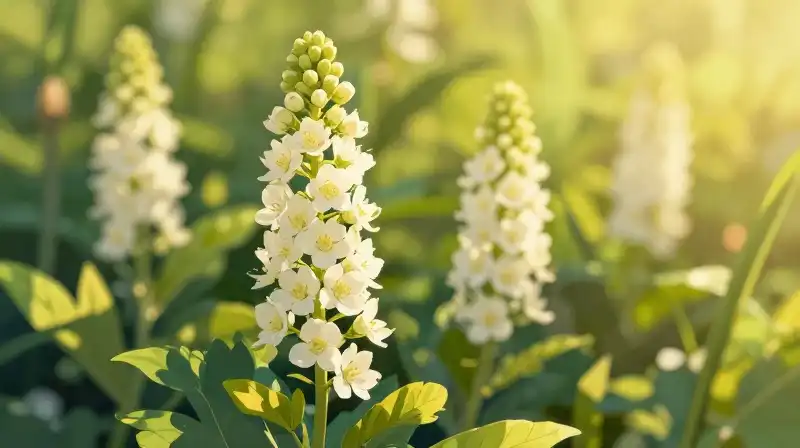
The Eternal Fragrance Daphne (*Daphne* hybrid) is highly sought after by gardeners who prioritize scent and seasonal performance. Unlike many shrubs, this variety offers a potent, enduring fragrance complemented by a unique visual evolution—from bright white blossoms in spring to subtle pink-purple hues triggered by cool evening temperatures. Because of its reputation for intense beauty, successful cultivation requires precise attention to specific conditions. This guide outlines the essential steps for growing the eternal fragrance daphne plant, ensuring it not only thrives but maximizes its renowned bloom cycle.
Optimal Placement and Environmental Needs
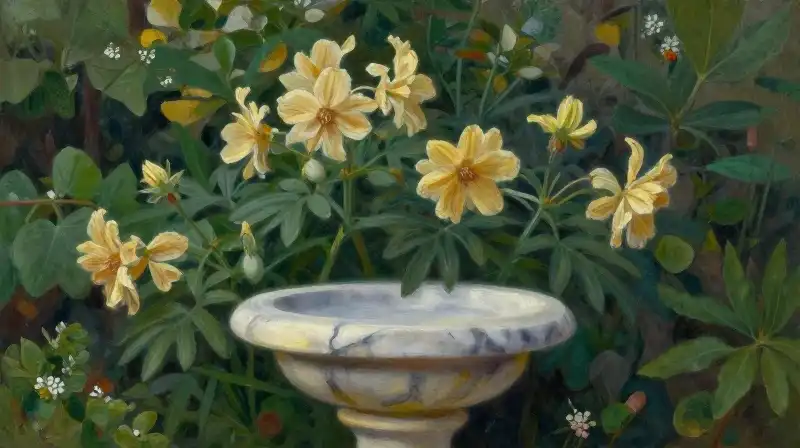
Choosing the right location is the first step in ensuring the health of your eternal fragrance daphne. This shrub thrives when it receives partial shade, which helps maintain the crisp, dark green quality of its semi-glossy foliage and protects the blossoms from intense midday heat.
Temperature and Protection
The plant shows sensitivity to harsh elements, particularly during dormancy. It is critical that you locate the shrub where it is protected from severe cold winter winds. While it is considered semi-evergreen in warmer climates like USDA Zone 7, in cooler regions, it can become deciduous. Providing a windbreak is a necessary condition for achieving continuous growth and bloom.
Achieving Ideal Soil Structure and Drainage
Soil quality is perhaps the most important factor for successful daphne cultivation. While the plant tolerates established drought, achieving its continuous flowering potential demands a specific, consistently moist, yet impeccably draining growing environment.
The Importance of Sharp Drainage
Eternal Fragrance daphne requires soil that is rich, sandy, and humus-heavy. The absolute requirement for this shrub is excellent, sharp drainage. If the soil retains water for extended periods, root rot can quickly set in. If you are planting in heavy clay soils, it is highly recommended that you utilize a raised planting bed to prevent waterlogging and allow for better root aeration.
Recommended Soil Profile
To mimic the plant’s natural preference, aim for a mix that is roughly 60% well-aged compost/humus, 30% sandy loam, and 10% organic material to ensure consistent moisture retention while maintaining porosity.
Watering and Foliage Management
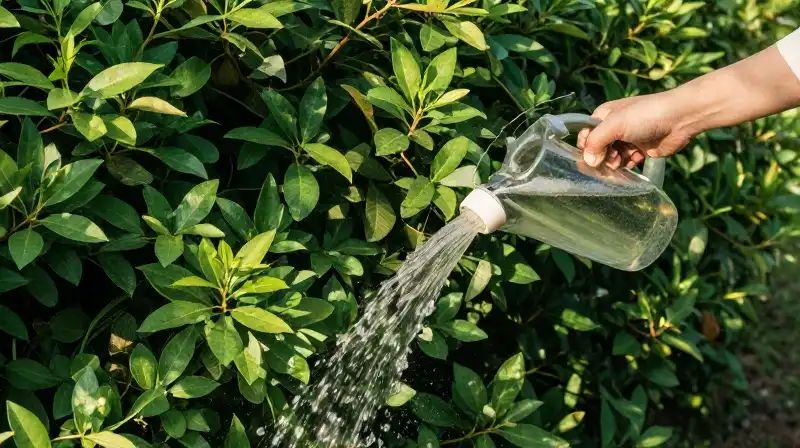
While the daphne shows some drought tolerance once established, maintaining consistent moisture is the primary driver of its prolific bloom. The plant needs reliable water during the peak growing seasons of spring through autumn to support the irregular and sporadic flowering.
- Water Delivery: Focus on deep, consistent watering rather than frequent light sprinkles. Deep saturation promotes robust root systems.
- Foliage Inspection: The leaves are narrow, elliptic, and dark green, typically reaching up to 2 inches in length. Maintaining a healthy color indicates proper nutrient uptake and adequate moisture.
- Maintenance: Pruning should be done selectively, focusing on removing dead wood or damaged foliage, rather than hard reshaping, which can disrupt the natural bloom cycle.
Seasonal Care: Winter Preparation and Continuous Bloom

The life cycle of the daphne requires specific seasonal attention, especially when dealing with cooler climates or in zones where the plant may go dormant.
Protecting the Roots in Cold Climates
For eternal fragrance daphne growing in climates that experience hard freezes, root protection is vital. Before the onset of winter, apply a heavy layer of winter root mulch around the base of the shrub. This insulative layer protects the sensitive roots from temperature fluctuations and frost damage, safeguarding the plant’s health throughout the cold season.
Supporting Bloom Longevity
The transition of the flowers—specifically the orange-yellow eye of the anthers transitioning to pink-purple in cooler night temperatures—is a testament to the plant’s health and ability to respond to environmental cues. Ensuring consistent moisture and mild exposure to cool nights supports this beautiful color change and continuous blooming into the fall.
Quick Reference: Eternal Fragrance Daphne Growth Essentials
To summarize the requirements for maximizing the beauty and fragrance of your daphne, use this quick reference checklist:
| Factor | Requirement | Critical Detail | | --- | --- | --- | --- | --- | --- | | Sunlight/Light | Partial Shade | Crucial for reducing heat stress on blooms. | | Soil Type | Rich, Sandy, Humusy | Excellent, sharp drainage is non-negotiable. | Water Needs | Consistent Moisture | Required to support continuous spring-to-fall blooming. | | Climate | Protected from Wind | Essential for preventing desiccation and chilling. |
Growing Eternal Fragrance daphne is a rewarding endeavor due to its exquisite scent, but it requires a dedication to moisture management and climate protection. By prioritizing exceptional drainage, ensuring consistent moisture, and providing a protective location free from harsh winds, you set the stage for this fragrant shrub to maintain its vibrant, multi-seasonal bloom cycle year after year.
How to grow the Eternal Fragrance Daphne
Select the Optimal Location
Choose a location that provides partial shade and is protected from severe cold winter winds. A windbreak is critical to ensure continuous growth and protect the shrub from harsh elements.
Prepare the Soil
Mix a soil profile of roughly 60% well-aged compost/humus, 30% sandy loam, and 10% organic material. Ensure the soil has excellent, sharp drainage; use a raised planting bed if planting in heavy clay.
Establish Watering Habits
Maintain consistent moisture throughout the peak growing seasons (spring through autumn). Focus on deep, consistent watering rather than frequent light sprinkles to promote robust root systems.
Manage Foliage and Pruning
Monitor the dark green leaves for signs of proper nutrient uptake. When maintaining the plant, prune selectively by removing dead or damaged foliage, avoiding hard reshaping that could disrupt the bloom cycle.
Winterize in Cold Climates
Before the onset of winter in cold climates, apply a heavy layer of winter root mulch around the base of the shrub to protect the sensitive roots from frost and temperature fluctuations.
Related Articles