Globe Arborvita: Guide to Little Giant and Danica Dwarf Shrubs

Introduction
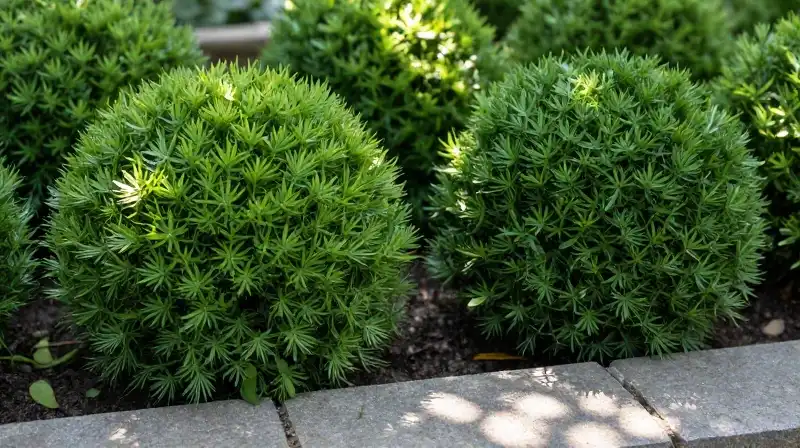
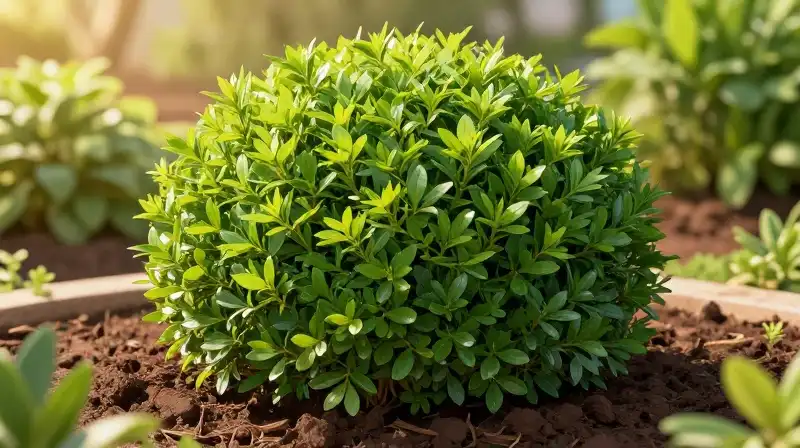
Choosing the right globe arborvita for your landscape begins with defining the required footprint of the plant. While both Little Giant and Danica Globe Arborvita are prized for their compact, evergreen structure and dense foliage, they differ significantly in their scale and specific visual characteristics. The Little Giant offers a wider, more robust presence, ideal for small foundations or container gardening where a 4–5 foot width is acceptable. Conversely, the Danica variety maintains a strictly minimal, often 2–2.5 foot profile, functioning as a sharp, elegant accent in smaller spaces or tightly packed shrub borders. This guide compares these two popular varieties and provides necessary care guidance to ensure your globe arborvita thrives.
Little Giant vs. Danica: Which Globe Arborvita Fits Your Space?
 To select the appropriate dwarf evergreen, consider the available width and the desired textural impact. The following comparison highlights the key differences between the two.
| Feature | Little Giant Globe Arborvita | Danica Globe Arborvita |
|---|---|---|
| Mature Size | Approx. 4–5 ft (H) by 3–5 ft (W) | Approx. 2–2.5 ft (H) by 2–2.5 ft (W) |
| Shape & Texture | Naturally dense, rounded form | Strictly symmetrical, dense globe shape |
| Foliage Color | Rich, dark green, vibrant year-round | Bright green, densely packed sprays |
| Best Use | Foundation planting, container gardening | Formal designs, narrow walkway edges |
| The Little Giant is suitable for establishing structure in moderately sized landscapes, offering broad coverage. Danica, however, excels in spaces requiring a minimal, highly defined architectural element that minimizes potential encroachment on narrow paths or neighboring plantings. |
Optimal Site Selection and Soil Preparation
 Both species require consistent environmental conditions to maintain their characteristic dense, globe shape and vibrant green color. Successful establishment relies on placing the tree in a location that supports its specific needs.
Sun Exposure and Water Requirements
Both Little Giant and Danica thrive in full sun or partial shade. Full sun is typically preferred as it maximizes foliage density and color. Regarding moisture, while proper watering is critical during the initial establishment phase to encourage root development, avoiding waterlogged conditions is essential to prevent common issues like root rot. They require a well-drained soil environment, as poor drainage is a major limiting factor for these types of dwarf arborvita shrubs.
Planting for Long-Term Success
To maximize the chances of survival and growth, ensure the following practical considerations are met:
- Depth: Plant the arborvita at the correct depth, following the root ball’s natural contour to prevent moisture buildup against the trunk.
- Protection: Protect the new shrub from external elements and potential damage from local wildlife (e.g., deer).
- Maintenance: Due to their slow growth rate and inherent shapes, these plants usually require only minimal annual pruning to maintain their natural, rounded aesthetic.
Troubleshooting Common Globe Arborvita Problems
 While generally hardy, globe arborvita shrubs can encounter issues related to specific environmental stresses or biological factors.
Identifying Potential Problems
* Root Rot: This is most common in heavy clay or waterlogged soils. Symptoms include yellowing, browning, and excessive leaf drop. * Pest and Disease: Because they are sensitive to certain issues, consistent monitoring is advised. Maintaining a healthy soil environment and proper drainage is the primary defense against disease. * Establishment Failure: If the shrub fails to thrive after planting, it is often related to incorrect planting depth, inadequate initial watering, or inappropriate placement in a poor location.
The Role of Specialized Resources
Successful tree establishment is supported by the availability of resources that detail proper planting procedures. Utilizing these guides helps ensure correct depth, adequate watering, and consistent care are prioritized.
Understanding the Guarantee and Replacement Policy
The foundation provides specific assurances for ordered trees regarding their initial health. It is important to understand the terms of this guarantee to manage expectations.
The guarantee ensures that all ordered trees arrive in a healthy condition or will be replaced at no charge. However, the growth guarantee has a limited timeframe, offering replacement within six months of the trees’ shipment if they fail to grow.
To initiate any claim—whether for a damaged shipment or growth failure—the request must be initiated directly by contacting the company. For verification, the foundation may request photographic documentation or images of the issue. The replacement offered must match the original root type of the ordered item. Note that guarantees are not valid for trees planted in locations outside of the horticulture zones recommended by the supplier.
Final Considerations for Arborvitae Establishment
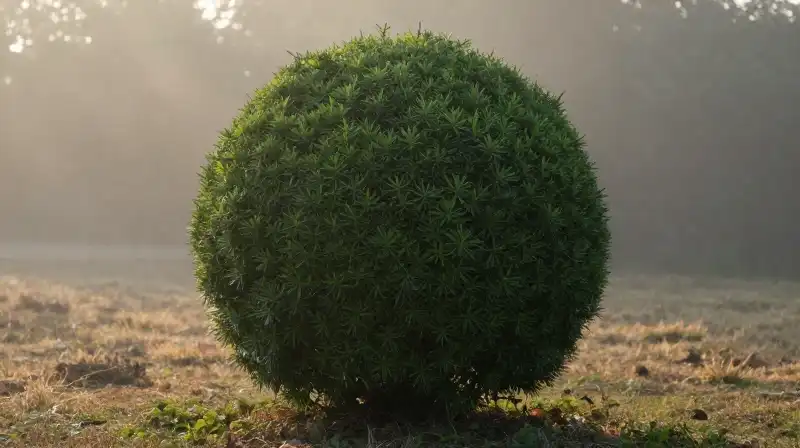 Choosing a dwarf arborvita is an investment in permanent structure and year-round evergreen color. Success is determined less by the initial purchase and more by the early establishment care. While these plants are low-maintenance once established, the critical initial period demands vigilance regarding soil type and moisture. Ensure your chosen location has excellent drainage and receive consistent care during the first season. By understanding the difference between the architectural scale of the Little Giant and the compact precision of Danica, you can select a variety that serves as the perfect visual anchor for your garden design.
How to Establish and Maintain a Globe Arborvita
Select an Optimal Location
Choose a location that provides full sun or partial shade and ensures excellent drainage, as poor drainage can lead to root rot.
Plant at the Correct Depth
Follow the root ball's natural contour when planting the arborvita to prevent moisture buildup against the trunk.
Provide Protection
Protect the newly planted shrub from external elements and potential damage from local wildlife, such as deer.
Maintain Minimal Pruning
To preserve the inherent shape and slow growth rate, apply only minimal annual pruning to maintain the natural, rounded aesthetic.
Related Articles