Abelia Edward Goucher: A Complete Guide to Care and Growth

Introduction
Abelia ‘Edward Goucher’ is a distinguished and resilient shrub celebrated by the Royal Horticultural Society’s Award of Garden Merit. This specific cultivar represents a successful horticultural cross between A. x grandiflora and A. shumannii, developed by the United States Department of Agriculture. Its appeal lies in its robust, low-maintenance nature combined with reliable structural form and long-season interest. Instead of a typical climbing or rampant growth habit, ‘Edward Goucher’ offers graceful, arching stems and consistently attractive foliage, making it an excellent choice for gardeners seeking a “semi-evergreen” performer that stands up well to various landscaping demands.
If you are evaluating shrubs for a year-round landscape, understanding the specific requirements of this hybrid is crucial. While the ‘Edward Goucher’ is highly adaptable, its performance—especially its size and flowering volume—is directly tied to climate and sun exposure. This guide provides the detailed knowledge needed to successfully integrate this specific Abelia into your garden, ensuring it thrives.
Physical Characteristics and Aesthetics

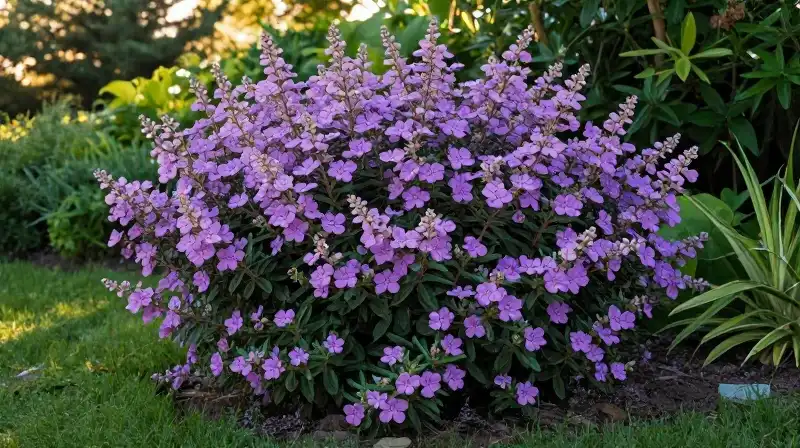
The visual appeal of Abelia ‘Edward Goucher’ is multi-layered, transitioning subtly throughout the seasons. It is characterized by an overall mature size that is generally compact, usually ranging from 3 to 5 feet in height and width. However, climate variation plays a significant role in final dimensions:
- Northern Climates (Zones 6-7): Typically grow between 2 and 3 feet in height, maintaining a controlled, bushy habit.
- Warmer Southern Climates (Zones 8-9): Can expand to a maximum height of 5 feet, exhibiting a slightly more open and graceful structure.
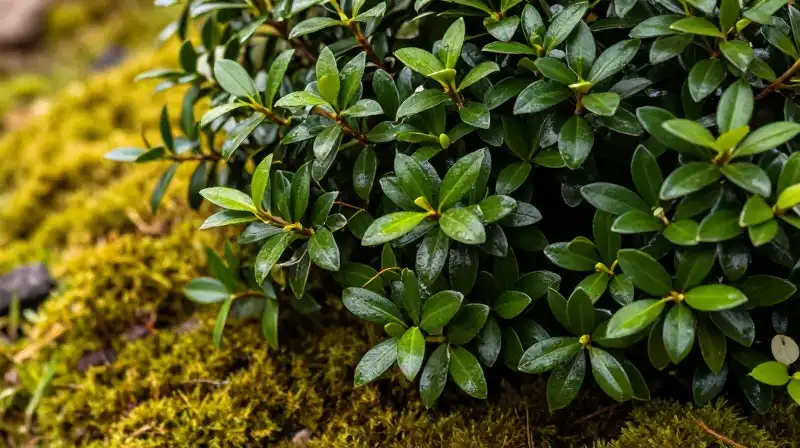
The foliage is oval and highly glossy, typically displaying a deep dark green hue. When the plant is young or beginning its seasonal shift, the leaves often exhibit attractive bronze tints. A distinctive trait occurs in autumn, when the color transitions to a purplish-bronze, offering a lovely late-season texture.
Flowering occurs on new wood, primarily in mid-summer and continuing into the fall. The blooms are abundant clusters of small, funnel-shaped flowers in shades of lilac-pink and lavender. A subtle, beautiful detail often overlooked is the attractive calyx—the structure at the base of the flower—which takes on a bronze tint and persists even after the petals have dropped, adding structure to the plant during dormancy.
Cultivation and Ideal Growth Conditions
To maximize the health and ornamental quality of the Abelia ‘Edward Goucher’, attention to its light and soil requirements is necessary. This cultivar thrives when given ample energy to produce its best flowers and maintain its compact form.
Light and Soil Requirements
Full sun is the optimal environment for ‘Edward Goucher’, as maximum light exposure directly translates to robust flowering and denser foliage. While it is generally adaptable and can tolerate partial shade, plants in shaded conditions will likely have reduced bloom production. Regarding soil, the shrub prefers average to medium moisture, provided the soil is well-drained. Because Abelia is sensitive to root rot, ensuring adequate drainage is perhaps the most important factor in its long-term success.
Climate Adaptability and Winter Care
Abelia ‘Edward Goucher’ is recognized for its adaptability within the temperate climate range. However, as a semi-evergreen shrub, it is susceptible to winter die-back during hard freezes. In regions where temperatures drop to freezing, the shrub should be protected. Techniques such as wrapping with burlap or ensuring the shrub is well-mulched at its base can mitigate freezing damage and aid in its seasonal survival.
Pruning and Maintenance Schedule
One of the primary appeals of the ‘Edward Goucher’ is its low maintenance reputation, yet it does require specific, strategic pruning to maintain its ornamental shape and prevent overly woody growth.
The plant is generally resilient to pests and diseases, though careful monitoring is always recommended. The following steps outline the optimal maintenance routine:
- Late Winter/Early Spring Pruning: This is the critical time for pruning ‘Edward Goucher’. Since flowering occurs on new wood, early pruning encourages vigorous new growth and prevents the plant from becoming overgrown. This maintenance is essential for shaping the shrub and ensuring an open flowering structure.
- Structural Pruning: To keep the plant compact and maintain its formal shape over several years, occasional hard pruning is necessary every three to four years. This resets the plant’s growth patterns.
- Watering: In established areas, ‘Edward Goucher’ requires minimal watering beyond typical garden needs. During periods of heat or drought, consistent, deep watering is required, especially while the shrub is actively flowering.
Common Questions Answered

What is the growth rate of Abelia ‘Edward Goucher’?
The growth rate is considered moderate and manageable. It is characterized by a graceful, arching growth habit that tends to be steady rather than explosive. By maintaining the recommended light conditions and performing appropriate pruning, its growth can be kept within the desirable 3 to 5 foot range.
Is Abelia ‘Edward Goucher’ deer resistant?
Yes, this cultivar is specifically noted for being deer resistant, making it a popular choice for borders and landscapes where wildlife browsing is a concern. This trait adds another practical benefit to the plant, especially in suburban environments.
Can I use Abelia ‘Edward Goucher’ in containers?
While typically grown as a ground cover or border shrub, ‘Edward Goucher’ performs well in containers. When containerizing, ensure the soil mixture is exceptionally well-draining, and adjust the watering frequency accordingly, as containers dry out much faster than garden beds.
Choosing ‘Edward Goucher’: A Practical Guide
The versatility of Abelia ‘Edward Goucher’ allows it to function in several roles within a landscape design. When making the final decision, consider the following applications and limitations:
- As a Specimen Plant: Its unique color transitions (dark green to bronze to purple-bronze) and reliable size make it a striking focal point. Its graceful arching form provides visual interest without taking up excessive space.
- Informal Hedge/Screen: While it can be pruned into a hedge, it is more effective as an informal screen or border element. Regular pruning will be needed to maintain density.
- Low-Maintenance Backdrop: For gardeners seeking reliable, non-fuss foliage and flowering, this variety is a top performer, provided the necessary occasional hard prune is performed to shape the shrub.
Practical Warning: Although highly resistant to many common pests and diseases, always observe your shrub. Early detection of any stress or pest activity—such as spots on the leaves—can prevent widespread issues. Furthermore, relying solely on ‘Edward Goucher’ for structure in deep shade is an error; its ornamental power requires adequate light to manifest fully.
How to Maintain Abelia 'Edward Goucher'
Perform Early Pruning
Conduct critical pruning during late winter or early spring. Since flowering occurs on new wood, early pruning encourages vigorous new growth and prevents the plant from becoming overgrown, essential for shaping the shrub and ensuring an open flowering structure.
Execute Structural Pruning
To keep the plant compact and maintain its formal shape over several years, apply occasional hard pruning every three to four years to reset the plant's growth patterns.
Manage Watering
In established areas, minimal watering beyond typical garden needs is usually sufficient. During periods of heat or drought, consistent, deep watering is required, especially while the shrub is actively flowering.
Related Articles