Organic Pellets: Guide to Slow Release Fertilizer for Healthy Soil

Introduction
Organic pelleted fertilizers offer a precise, sustainable method for nourishing plants, acting as sophisticated nutrient delivery systems for gardens and farms. These slow-release organic fertilizers consist of essential nutrients—including organic matter, minerals, and balanced NPK elements—compressed into small, durable particles. Unlike conventional, high-concentration fertilizers that deliver a quick nutrient spike, pelleted products are engineered to provide a consistent, gradual supply over weeks or even months. This controlled release mechanism is the defining characteristic that distinguishes them, moving beyond simple fertilization into genuine soil regeneration.
The primary function of utilizing slow-release organic pellets is twofold: to ensure robust, sustained plant development by preventing nutrient dips, and to drastically improve environmental sustainability by minimizing leaching. By locking nutrients within a matrix, these pellets release them only as the surrounding soil microbes and root systems naturally break them down. This approach supports healthier plant ecosystems and contributes to more resilient agriculture, offering a comprehensive guide for anyone looking to optimize their garden’s nutritional foundation.
Understanding the Slow-Release Mechanism
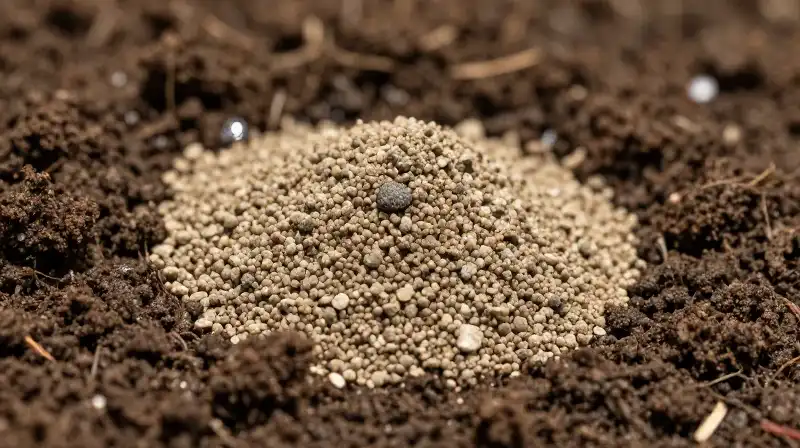
What makes slow-release organic fertilizer unique is its sustained nutrient availability. In standard fertilizers, nutrients are often rapidly soluble, meaning they are quickly absorbed by the plant but are equally prone to being washed away by rain or irrigation—a phenomenon known as nutrient leaching. This waste represents both an economic loss and an environmental concern.
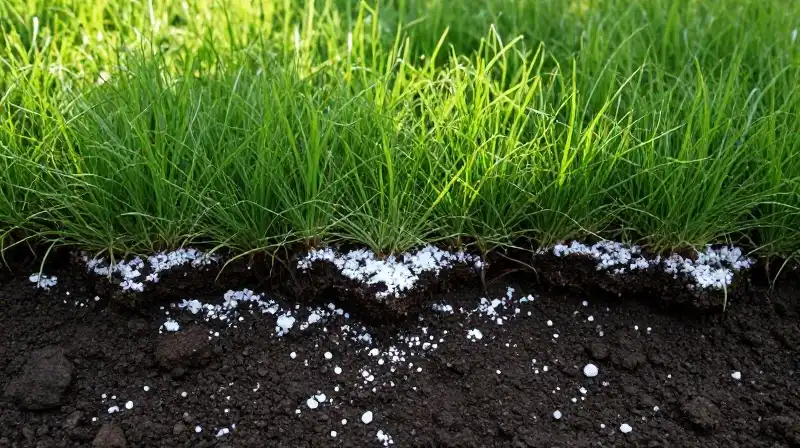
Pelleted organic fertilizer mitigates this risk through encapsulation. The organic materials and minerals are bonded together, ensuring the essential NPK elements and microorganisms are not immediately available. Instead, the nutrient release is dictated by the rate of decomposition and microbial action in the soil. As soil moisture and beneficial microbes interact with the pellet, the nutrients are steadily liberated into the root zone. This gradual process allows plants to utilize the nutrients as they become available, preventing waste and promoting continuous, steady growth rather than erratic bursts of activity.
Enhancing Soil Health Beyond Nutrition
While the primary benefit is providing slow-release organic fertilizer for optimal plant health, a crucial secondary function of these pellets is the long-term improvement of soil structure. Most organic fertilizers contain varying degrees of valuable organic matter.
Incorporating these pellets significantly enhances the soil environment by contributing several key benefits:
- Structure and Aeration: Organic matter improves the crumb structure of heavy clay soils, allowing for better air pockets (aeration) that are critical for healthy root respiration.
- Water Retention: Pellets increase the soil’s capacity to hold moisture. This is vital in gardening, as improved water retention reduces the need for frequent irrigation.
- Microbial Activity: The presence of beneficial microorganisms within the pellets enriches the soil biology, creating a self-sustaining cycle of fertility that supports vigorous growth.
Practical Guide to Application
The effectiveness of using slow-release pellets depends heavily on proper application timing and placement. They are versatile products suitable for several distinct planting stages.
Pre-Planting Preparation
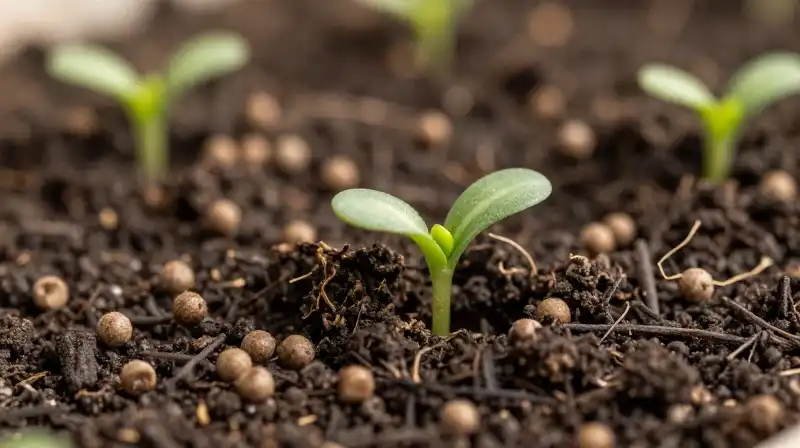
For seedlings or garden beds being prepared, incorporating the pellets directly into the soil before sowing or planting is highly effective. This method ensures that as the plants establish themselves, a consistent supply of nutrients is immediately accessible through their root systems. This pre-enrichment establishes a strong foundation, preparing a nourishing environment for early growth.
Mid-Season Top Dressing
As plants reach an established stage, top dressing—applying pellets around the perimeter of the foliage without burying them—can sustain nutrition throughout the growing season. This is an excellent method for potted plants or mature vegetables, ensuring continuous growth without disturbing the existing root structure.
Integration into Soil Mixes
Pellets can also be integrated directly into custom potting or garden soil mixes, serving as an immediate nutrient source for new containers or raised beds. Furthermore, they can be added to compost piles to boost the nutrient density and speed up the decomposition process, creating richer, more fertile soil.
Criteria for Choosing the Best Organic Slow-Release Fertilizer
When comparing various options, finding the “best slow release organic fertilizer” depends entirely on the specific needs of the crops and the health of the existing soil. A balanced selection requires examining the components beyond just the slow-release characteristic.
| Selection Criterion | What to Look For | Practical Implication |
|---|---|---|
| Nutrient Balance (NPK) | A blend tailored to the crop’s current stage (e.g., higher phosphorus for flowering, higher nitrogen for leafy greens). | Avoid generic 10-10-10 for specialized crops; look for targeted blends. |
| Organic Base | Confirmed inclusion of genuine organic materials, not just chemical fillers. | Ensures superior soil health benefits and reduces environmental impact. |
| Release Rate | A mechanism that provides consistent nutrient release over the desired timeframe (typically 30-90 days). | Prevents rapid nutrient burnout and avoids the need for frequent manual fertilization. |
| Form | High-quality pellets or granules that are easily spread and handled. | Ease of use affects application consistency. |
Addressing Common Planting Scenarios
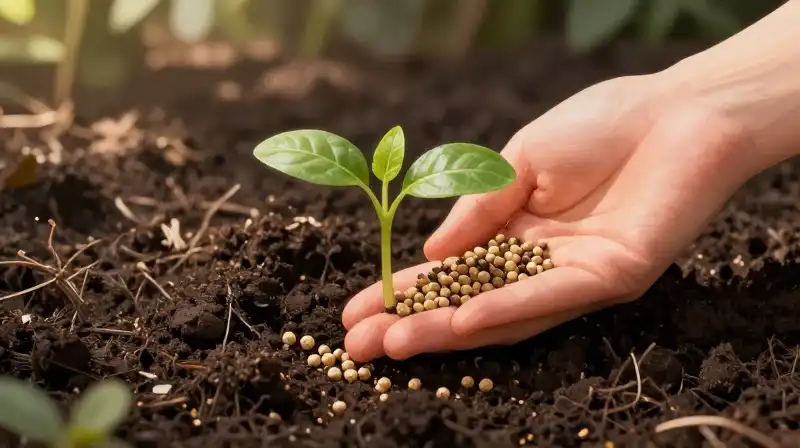
Many gardeners wonder about specific use cases, such as best slow release organic fertilizer for potted plants or general vegetable gardens. The versatile nature of these pellets makes them adaptable, but application methods change based on the container or bed size.
For Potted Plants
Because containerized plants have a limited and often more rapidly depleted medium, a well-balanced slow-release organic fertilizer is ideal. Using pellets at the time of potting (in the bottom 1/3 of the container) and performing a gentle top dressing mid-season ensures that the confined space remains perpetually nourished.
Vegetable and Perennial Gardens
In large garden beds, pre-incorporating pellets into the soil during initial bed preparation is the most efficient method. For perennial beds or plants that require consistent mid-season boosts, a light application of pellets around the root zone helps sustain nutrition during periods of active growth.
Best Practices and Essential Precautions
To maximize the benefits of using slow-release organic pellets and to avoid common gardening mistakes, consider the following practical warnings and best practices:
- Do Not Over-Apply: Because the pellets are designed for a long-term release, applying them in excessive quantities can lead to nutrient overload, which can harm plants. Adhere closely to the package or manufacturer’s recommendations.
- Maintain Proper Soil Moisture: Slow-release fertilizers rely on microbial activity to break down and release nutrients. Adequate, but not excessive, soil moisture is crucial for this process to function efficiently.
- Analyze Before You Apply: Before relying solely on a specific fertilizer, consider performing a basic soil test. This will tell you exactly which nutrients the soil is deficient in, allowing you to select a blend that targets those specific gaps.
- Integration, Not Just Overlay: For maximum benefit, especially when amending soil for planting, mixing the pellets into the top few inches of soil ensures immediate and even distribution.
How to Apply Organic Pelleted Fertilizers
Analyze Soil and Select Product
Perform a basic soil test to identify nutrient deficiencies and choose a pellet blend tailored to your specific crop and soil health needs.
Initial Incorporation (Pre-Planting or Potting)
For garden beds, mix the pellets into the top few inches of soil during preparation. For potted plants, apply them to the bottom 1/3 of the container at the time of potting.
Mid-Season Maintenance
As plants grow, apply the pellets as a top dressing around the perimeter of the foliage or within the root zone to sustain nutrition without disturbing established roots.
Monitor Usage and Environment
Adhere strictly to manufacturer dosage recommendations to prevent nutrient overload, and maintain adequate soil moisture to ensure the beneficial microbial action necessary for slow release.
Related Articles