Desert Shrubs: Adaptation, Ecology, and How They Thrive in Arid Climates

Introduction
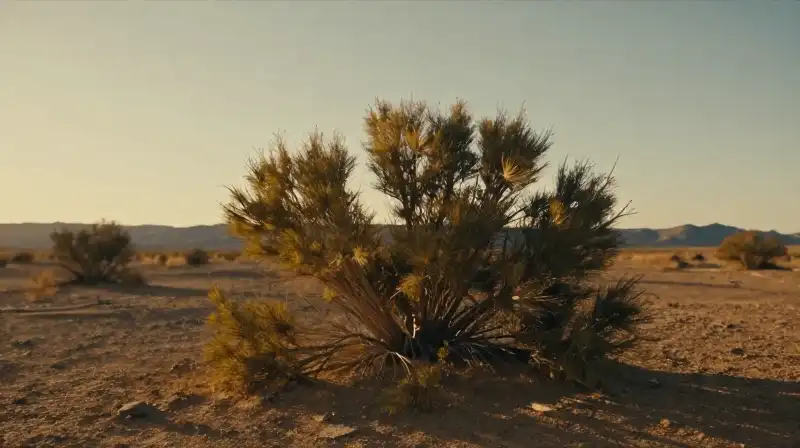
Desert shrubs are more than just hardy plants in dry landscapes; they are biological masters of endurance. These resilient species are specifically adapted to thrive in challenging, arid environments defined by extreme heat, scarce rainfall, and low nutrient availability. Understanding how desert shrubs survive—from their specialized leaf structures to their crucial role in local ecosystems—is key not only to appreciating their beauty but also to successfully utilizing them in water-efficient landscaping. Whether you are looking to design a sustainable xeriscape or simply trying to identify a specific species, recognizing the complex strategies these plants employ to conserve water and capture energy is essential.
The Core Survival Mechanisms of Desert Shrubs
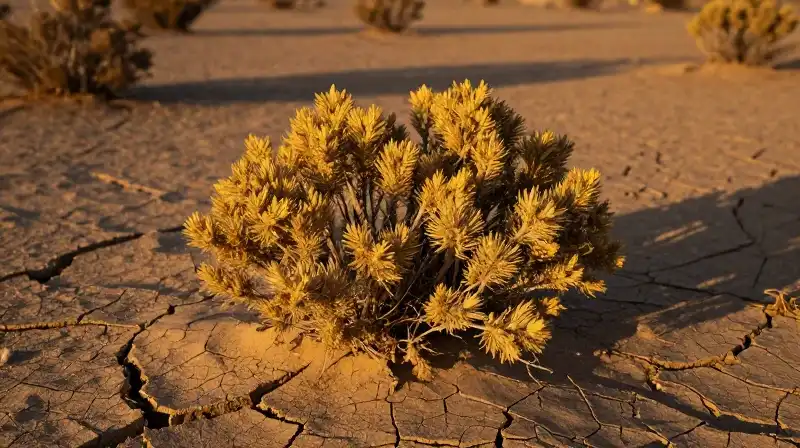
Survival in a desert requires meticulous resource management. Desert shrubs have evolved specific morphological and physiological traits that allow them to minimize moisture loss while maximizing survival during prolonged drought. These adaptations dictate how they capture energy, store water, and defend themselves.
Water Conservation and Moisture Acquisition
The most critical feature of any desert shrub is its method of managing water. Unlike plants that lose water through large, expansive leaves, desert species employ several “water-saving” tactics:
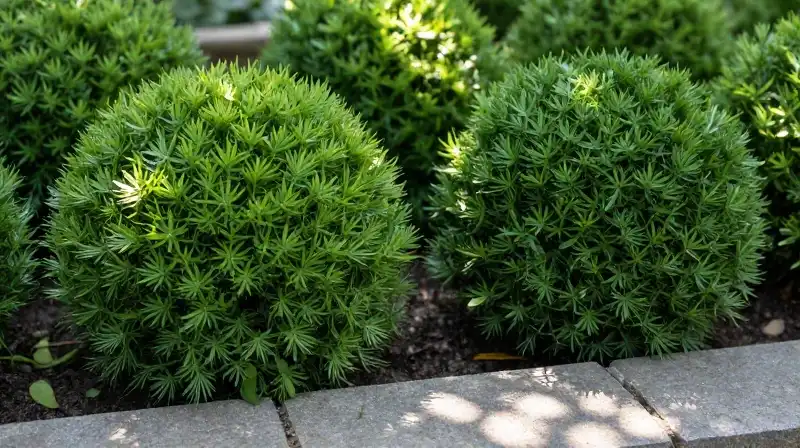
- Reduced Surface Area: Many shrubs feature small, leathery, or even needle-like leaves. By minimizing the surface area exposed to the intense sun and dry air, they drastically reduce transpiration—the process of water loss through evaporation.
- Waxy Coatings: Thick, waxy cuticles cover the leaves and stems. This “seal” helps prevent water from evaporating from the plant’s tissues, maintaining internal moisture reserves.
- Strategic Root Systems: Desert shrubs often possess specialized root architectures. Some rely on a wide, shallow network to quickly absorb flash floods or short bursts of surface moisture, while others develop deep taproots to reach and store vital subsurface water reserves.
Adapting to Temperature and Light Extremes
High temperatures and intense solar radiation pose another massive challenge. Some species have developed structural characteristics that act like a natural sunblock:
- Silvery Foliage: Many desert shrubs display a characteristic gray or silvery tint. This hue is often caused by reflective hairs (trichomes) on the leaves. This reflectivity helps to scatter sunlight, keeping the leaf tissue cooler and dramatically reducing overheating and evaporation.
- Alternate Photosynthesis: Some plants forgo large leaves entirely, utilizing modified stems or specialized structures (like succulent stems) for energy capture. This allows them to perform photosynthesis while minimizing the transpiration typically associated with leaf-based energy production.
Ecological Significance of Desert Shrubs
Far from being isolated survivalists, desert shrubs form the backbone of desert biodiversity. They are not merely ornamental plants; they are crucial components of the desert food web and habitat.
Supporting Biodiversity and Habitat
In a harsh and often sparse environment, desert shrubs provide necessary infrastructure for other species:
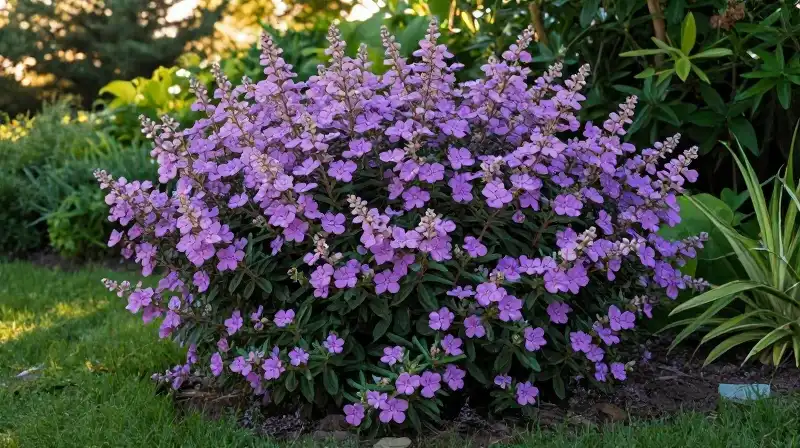
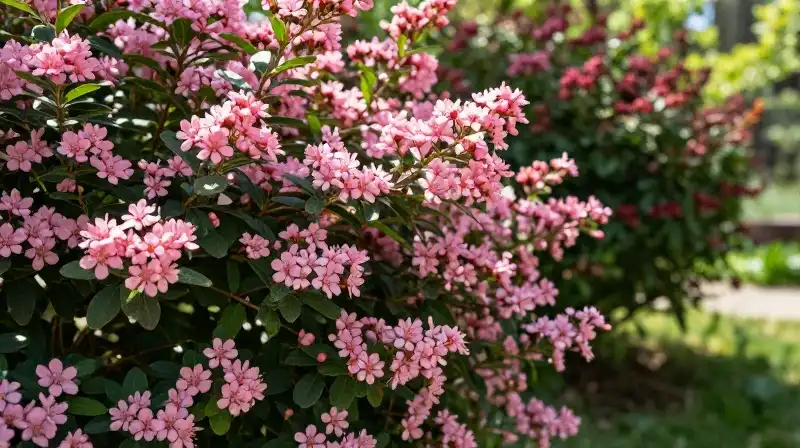
- Food Source: They produce intermittent, colorful flowers—which serve as a reliable, albeit sporadic, feast for native pollinators like bees and butterflies. Additionally, the leaves, stems, and fruits are critical browse for various local mammals.
- Nesting and Shelter: Their dense, often sprawling structures provide critical nesting sites, protective cover, and safe vantage points for birds and reptiles.
Stabilizing the Ecosystem
Ecologically, desert shrubs play a profound role in environmental stability. Their extensive root systems act as natural anchors, helping to stabilize the sandy and rocky soils. This process significantly reduces wind erosion, allowing soil to remain in place and protecting fragile desert habitats from severe degradation.
Practical Applications in Xeriscapes
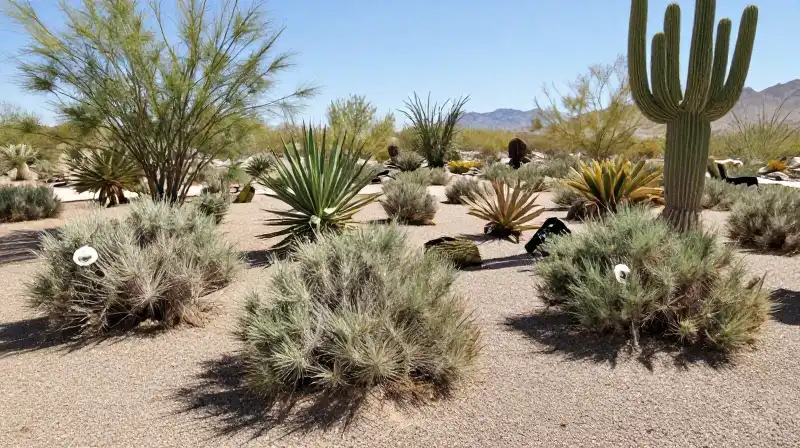
For the horticulturalist, desert shrubs are the defining feature of a successful xeriscape—a landscape designed to require little or no supplemental water once established. Their resilience allows them to bring vibrant color, unique texture, and necessary biological diversity to dry environments.
Selection Criteria for Desert Shrubs
Choosing the right desert shrub for a specific space depends on understanding its needs and limitations. Success is rooted in selecting plants suited to your microclimate and soil type:
Environmental Requirements:
- Drainage: Most desert shrubs require extremely well-drained soil. They are highly susceptible to root rot in areas where water pools.
- Salt Tolerance: While generally preferring low-salinity soils, certain specialized shrubs can tolerate higher levels of salt content, which makes them ideal for specific coastal or saline desert areas.
Consider these factors when identifying shrubs:
- Maintenance Level: Desert shrubs are inherently low-maintenance once mature.
- Scale: Do you need a low-lying ground cover or a woody shrub reaching several feet in height?
- Color Palette: Do you want gray-green foliage (like Artemisia), bright pops of color from flowers, or dense, textural coverage?
Common and Notable Desert Shrub Examples
While the diversity of desert shrubs is vast, several species exemplify the traits mentioned, ranging from common landscape choices to specialized regional varieties. Some widely recognized examples include:
- Creosote Bush: A quintessential California desert shrub known for its aromatic properties and intense drought tolerance.
- Brittlebush: Valued for its silvery foliage and striking yellow flowers, often found in arid scrublands.
- Texas Sage (Leucophyllum): Known for its ability to produce spectacular, brief bursts of purple or white blooms following rainfall.
Regarding specific searches, a shrub starting with the letters “EP” could refer to certain regional varieties, emphasizing that identification often requires knowing the specific ecological zone or geographic area where the plant was found. Always check local native plant guides for definitive identification based on geographic location.
Navigating Desert Shrub Identification and Care
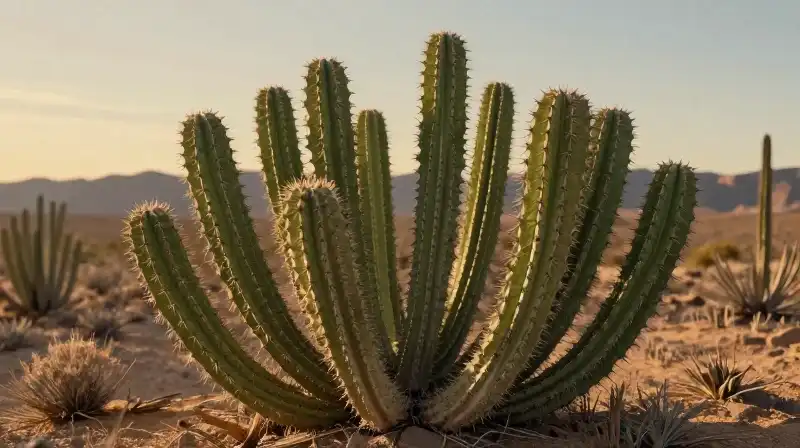
When working with desert plants, understanding their growth and life cycles helps prevent common horticultural mistakes. Unlike temperate plants that rely on extended, predictable seasons, desert shrubs often have specific life cycles tied to infrequent weather events.
Addressing Identification Challenges
The morphological diversity of desert shrubs can be overwhelming. A useful approach to identification involves observing specific traits:
- Foliage Texture: Is it leathery, needle-like, hairy (silver), or succulent?
- Branch Structure: Is it a compact low-growing scrub, or a larger, woody plant?
- Blooming Patterns: Do they bloom seasonally, or are the blooms tied directly to a specific rainfall event?
Limitations and Potential Errors in Planting
A critical warning for anyone planning a desert landscape is to resist the urge to heavily amend the soil. Most desert shrubs prefer lean, poor-quality soil that mimics their native harsh environments. Over-fertilizing can often encourage overly lush, non-drought-resistant growth that makes the plant more vulnerable to stress. Furthermore, while they are highly water-efficient, they are not a substitute for a complete lack of irrigation in young plants; careful, initial watering is crucial for root establishment.
Synthesis: Prioritizing Sustainability
Desert shrubs offer a powerful solution to water-intensive gardening, proving that resilience and beauty can coexist. By understanding their profound adaptations—the reflective leaves, strategic root systems, and critical role in supporting desert wildlife—you can transition from simply planting a shrub to integrating a living, self-sustaining ecosystem into your space. The key to their successful cultivation is respect for their natural origins: excellent drainage, minimal intervention, and an appreciation for their unique, tough biology.
Frequently Asked Questions
What desert shrub starts with EP?
The article does not provide a specific name for a desert shrub starting with EP. It mentions that such a name could refer to certain regional varieties, emphasizing that definitive identification requires knowing the specific ecological zone or geographic area.
How to Select and Care for Desert Shrubs
Evaluate Environmental Requirements
Select a shrub only if the site can provide extremely well-drained soil, as desert species are highly susceptible to root rot.
Determine Plant Selection Criteria
Choose a shrub based on its desired scale (ground cover vs. woody shrub), low maintenance needs, and desired foliage color palette.
Identify the Species by Observation
Examine specific traits such as foliage texture (leathery, needle-like, or hairy), branch structure, and whether the blooms are seasonal or tied to rainfall events.
Prepare the Soil
Do not heavily amend the soil; desert shrubs require lean, poor-quality soil that mimics their harsh native environments to prevent vulnerable, lush growth.
Establish Initial Watering Protocol
Ensure careful initial watering to establish the root system, as young plants need support, even though they are highly water-efficient once mature.
Related Articles