How to Grow Southern Magnolia Seeds: A Germination Guide

Introduction
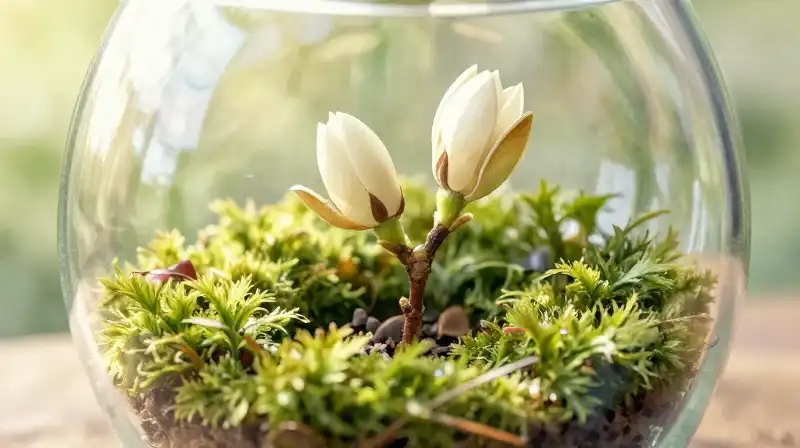
Growing Southern Magnolia (*Magnolia grandiflora*) seeds is a rewarding process, but it is fundamentally dependent on specific, rigorous preparatory steps that mimic the tree’s natural dormancy. Unlike many common garden seeds, the seeds of the Southern Magnolia require a multi-stage germination protocol—most notably a lengthy cold stratification period and seed scarification—before they will successfully sprout. Successfully germinating these seeds allows you to cultivate one of the U.S. South’s most majestic evergreen specimens, known for its 80-foot stature and intensely fragrant, creamy white blooms that emerge between May and July.
Prerequisites for Southern Magnolia Cultivation
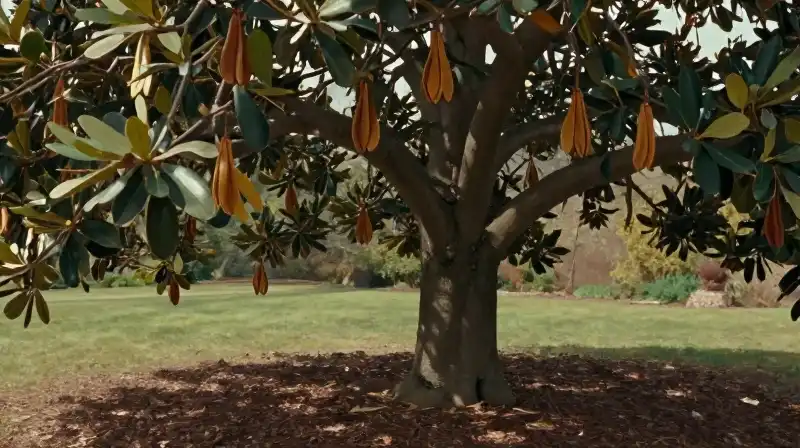 Before starting the germination process, ensure your local climate and environment are suitable for a robust Southern Magnolia. While the seeds themselves require a laboratory-style cold period, the resulting plant must thrive in a specific climate to reach its full potential.
Ideal Growing Conditions
The Southern Magnolia thrives in the humid, subtropical climate of the American South. For successful cultivation, maintain the following criteria:
- Climate: Best suited for USDA zones 7 through 9. It is not recommended for colder regions where it may struggle to survive as an established tree.
- Light: These magnificent trees thrive in full sun but can also tolerate partial shade, though less light will lead to reduced flowering and growth.
- Soil: Use well-draining soil that is rich in organic matter. The tree prefers slightly acidic to neutral pH.
- Care Note: Mature specimens are known for their hardiness, often reaching heights of approximately 80 feet, making proper root establishment during early growth crucial.
The Step-by-Step Germination Guide
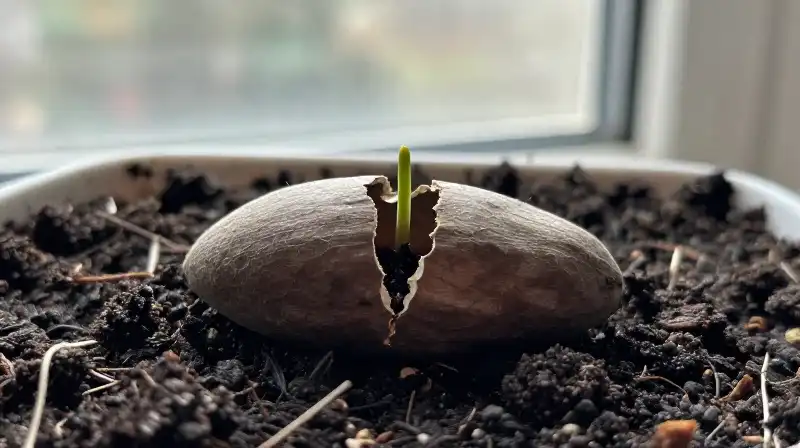 Germination of Southern Magnolia seeds is a time-intensive process that demands patience. Because the seeds are adapted to dormancy, you must manually break their dormancy through specific environmental manipulations.
Step 1: Seed Preparation (Scarification)
The first step involves scarification, which breaks down the seed’s hard outer coating. This is achieved through soaking.
- Fill a container with clean water.
- Submerge the magnolia seeds for 24 hours.
- Removing and rinsing the seeds afterward helps prevent them from rotting while preparing for the next phase.
Step 2: Cold Stratification (The Chilling Period)
This is arguably the most critical part of the process. Cold stratification mimics the winter conditions the seed would naturally experience, triggering the internal mechanisms required for sprouting.
- Place the seeds in a moisture-retaining medium, such as peat moss or sphagnum moss.
- Keep the mixture at a consistent cold temperature (near freezing) for 120 days.
- This period must be undisturbed; check the moisture level only periodically to prevent the medium from drying out entirely.
Step 3: Sowing and Initial Care
After the 120 days of chilling, the seeds are ready for planting.
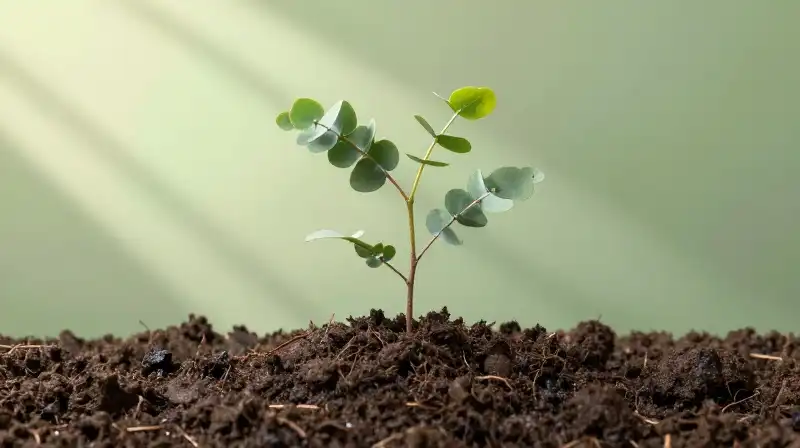
The seeds should be sown into a container or tray, or directly into prepared garden soil. Place the seeds approximately 1/4 inch deep. Once sown, it is important to tamp the soil lightly around the seeds to ensure good contact and uniform moisture.
- Sowing Depth: Approximately 1/4 inch.
- Post-Sowing: Thoroughly water the bed.
- Maintenance: Cover the area with mulch to help retain moisture and regulate soil temperature, protecting the newly planted seeds.
Addressing Common Magnolia Pod Questions
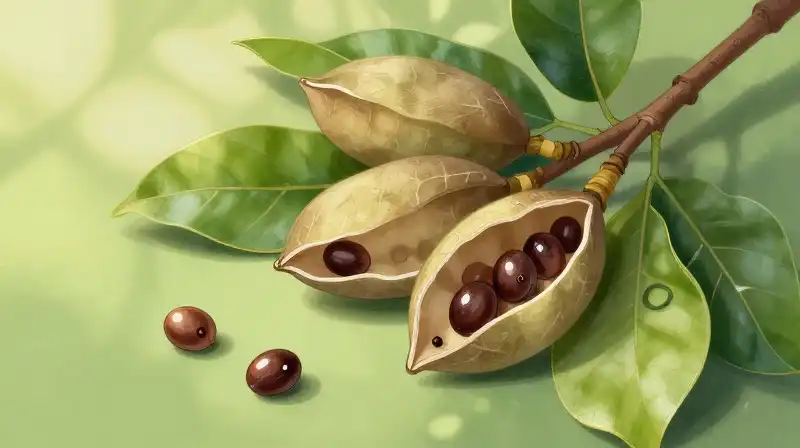 Gardeners often acquire magnolia seeds via “tree pods” and have specific questions regarding their handling, particularly when gathering them from the wild.
What to do with Magnolia Seed Pods in the Fall?
While some people may be curious about the potential uses of Magnolia grandiflora seed pods—including their decorative use or investigation for potential botanical application—it is generally recommended to leave them on the tree through the winter if you are intending to harvest them in the spring. This ensures the seeds have a chance to mature fully before dropping. If your goal is to germinate them, they should be collected before they have fully withered and dried out.
How to extract seeds from a Magnolia pod?
Harvesting seeds from the pod is simpler than you might expect. Once the woody pod has matured and split, the seeds (which are large and fleshy) will typically be visible inside. They are not protected by a difficult casing like some other seed types, so simply extracting the seeds by hand from the pod is usually sufficient.
Storing and Acquiring Seeds
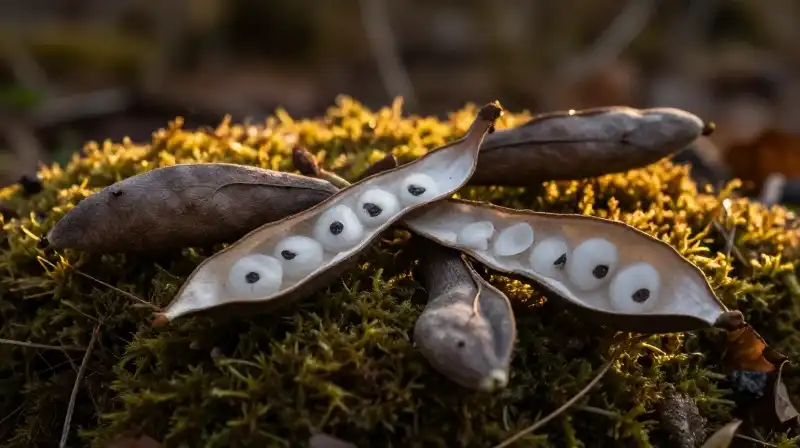 If you plan to save excess seeds or are looking for seeds for sale, knowing proper storage is vital to maintaining viability.
Seed Storage and Acquisition
Seeds can maintain viability if stored under ideal conditions.
- Storage Duration: Seeds can be kept viable for up to one year, provided they are kept refrigerated.
- Acquisition: If you are searching for “magnolia tree pods seeds for sale,” ensure you are purchasing reputable sources. Many collectors search for “magnolia tree pods seeds bulk” or “magnolia tree pods seeds amazon” to find suitable starter material.
Practical Warnings and Final Considerations
While the growing process for Southern Magnolia seeds is detailed, achieving successful germination is not guaranteed, and persistence is required.
Several factors can disrupt the complex germination process:
- Temperature Consistency: The 120-day chilling period must be maintained consistently. Fluctuations or premature thawing can ruin the seeds.
- Viability Check: If seeds do not sprout after the full stratification period, their viability may be low. Always start with fresh seeds when available.
- Patience: Southern Magnolias are magnificent, but they are not instant. It is a multi-season commitment that requires detailed environmental control and long-term care.
For those seeking seeds near them, local nurseries that specialize in large specimen trees often carry mature, high-quality seeds or established cuttings, offering a bypass to the rigorous home stratification required.
Frequently Asked Questions
Should I cut off magnolia seed pods in the fall?
It is generally recommended to leave magnolia seed pods on the tree through the winter if you are planning to harvest them in the spring to ensure the seeds mature fully. However, if your goal is to germinate them, they should be collected before they have fully withered and dried out.
How to get the seeds out of a magnolia pod?
Once the woody pod has matured and split, the large, fleshy seeds will be visible inside. Because they are not protected by a difficult casing, simply extracting the seeds by hand from the pod is usually sufficient.
Growing Southern Magnolia Seeds
Seed Preparation (Scarification)
Place the seeds in a container with clean water. Submerge the magnolia seeds for 24 hours. Afterward, remove the seeds and rinse them to prevent rotting.
Cold Stratification (Chilling Period)
Place the seeds in a moisture-retaining medium, such as peat moss or sphagnum moss. Keep this mixture at a consistent cold temperature (near freezing) for 120 days, checking moisture only periodically.
Sowing and Initial Care
After the chilling period, sow the seeds into a container or tray, placing them approximately 1/4 inch deep. Thoroughly water the bed, and cover the area with mulch to help retain moisture and regulate soil temperature.
Related Articles