Growing New York Ironweed: Care Requirements and Dormancy Guide

Introduction
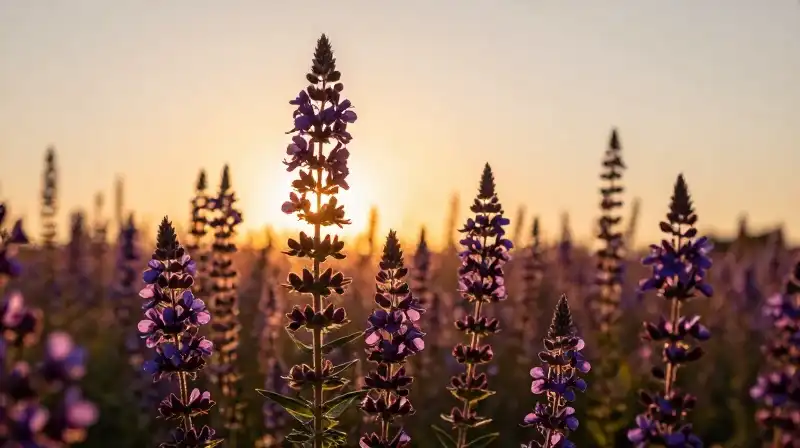
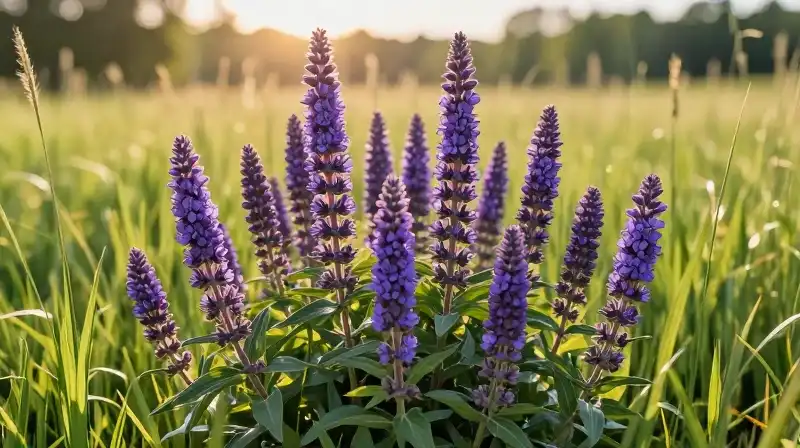
New York Ironweed, scientifically known as Vernonia noveboracensis, is a robust, native perennial celebrated for its dramatic, deep purple blooms and its ability to thrive in wild conditions. Recognized as a tall, coarse, and upright forb, it reaches a impressive height of four to six feet. For gardeners looking to cultivate this species—whether from seed or through retail sales—understanding its specific environmental demands and the critical requirement for seed dormancy is the key to a successful garden.
Successfully growing New York Ironweed requires more than just planting it in a sunny spot. Because many native seeds possess natural dormancy mechanisms designed to prevent mass germination, propagation often demands specific pre-treatment. This guide details the ideal care requirements and offers a specialized pathway to breaking the dormancy of New York Ironweed seeds, ensuring you can replicate its vigorous growth and striking floral displays in your landscape.
Understanding New York Ironweed’s Natural Habitat and Requirements
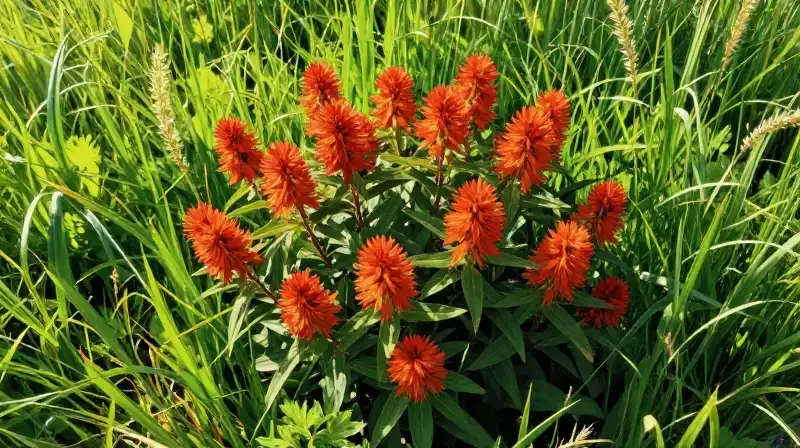
Native to moist thickets, low-lying areas, and streambanks across the Eastern United States, New York Ironweed has well-defined preferences that dictate where it should be planted. It is an aggressive, tough plant, and positioning it correctly in relation to light and soil is paramount.
To ensure healthy establishment and vigorous growth, evaluate your planting site based on these requirements:
- Light: It requires full sun to thrive, as it naturally grows in open, exposed areas of woodland edges.
- Soil: The plant performs best in rich, moist, and slightly acidic soil. It tolerates average garden soil but prefers consistently fertile ground.
- Water: While it is tough, it thrives in moisture-rich environments and should not be planted in extremely dry, sandy areas.
Where to Plant New York Ironweed: Selecting the Right Environment
Since this plant often competes successfully with other native species, it performs best when it has room to spread and access to moisture. When deciding where to plant New York Ironweed in your landscape, consider these factors to match its natural range:
- Moisture Accessibility: Look for spots near established garden beds, low areas that retain moisture, or areas where drainage is manageable but soil is consistently damp.
- Support and Scale: Given its upright, coarse nature and tendency to grow between four to six feet, ensure the chosen location allows for vertical and lateral space.
- Invasive Potential: As it can aggressively spread, gardeners should decide between letting it naturally populate native areas or planning its growth with containment in ornamental beds.
The Seed Germination Challenge: Breaking Dormancy
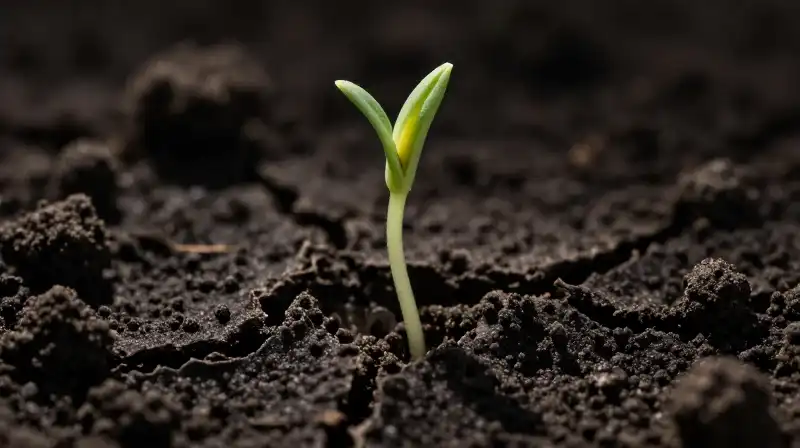
A critical factor in growing New York Ironweed, especially when purchasing Vernonia noveboracensis seeds, is the presence of natural dormancy. Dormancy is a protective mechanism that prevents the entire seed bank from germinating at once. To maximize the success rate of native plant propagation, this dormancy must be broken through specific techniques.
Artificial Dormancy Breaking (Cold/Moist Stratification)
The most reliable method for artificial breaking is cold/moist stratification. This process mimics the natural winter conditions the seed would experience. It involves a prolonged refrigeration period for the seeds while they remain damp. This process signals the plant that conditions are favorable for growth, eventually initiating germination.
Natural Dormancy Breaking (Dormant Seeding)
If you prefer not to use refrigeration, nature offers an alternative: dormant seeding. This involves sowing the seeds directly onto a suitable planting site during late fall or throughout the winter. Vernonia noveboracensis will remain under the cover of snow, conditioned by the cold temperatures. When spring arrives, the seeds will germinate naturally.
Practical Maintenance and Controlling Spread
As a hardy, tough plant, maintenance for New York Ironweed is relatively low, provided it has the proper foundational care. However, its robust growth necessitates some attention to manage its footprint and ensure its primary purpose—display—is met.
Key maintenance actions include:
- Pruning: To effectively control the spread of the plant and prevent it from aggressively outcompeting other desired species, gardeners should remove or prune the flower heads (seed heads) before the seeds have a chance to mature.
- Monitoring Growth: Keep an eye on its height and width as it matures. In open areas, its tough, upright stems contribute to its iconic appearance.
- Harvest: The striking deep purple, fluffy, composite flowers bloom primarily during late summer and fall, creating a visual reward for late-season gardeners.
Final Considerations for New York Ironweed Success
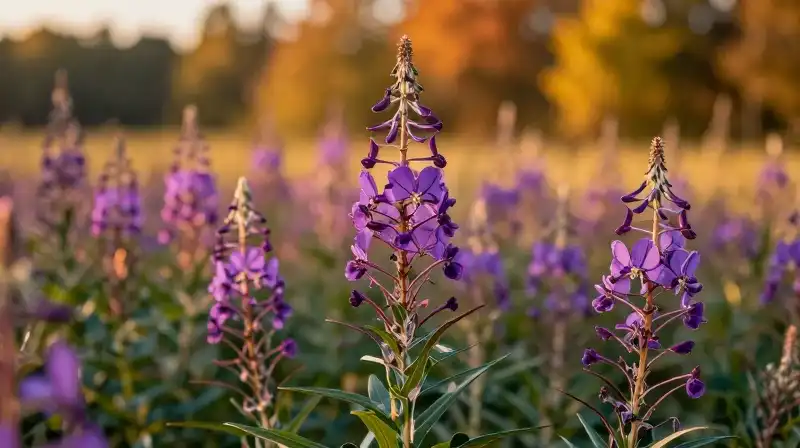
Whether you are seeking a native plant for sale or managing a large wild patch, the most important factor is planning. Remember that the time required to break dormancy is not standardized; it can range from short periods to several years, depending on the specific seed lot. Always consult the germination code provided with the seeds.
To summarize the path to growth, prioritize the seed’s life cycle: provide rich, moist soil in a sunny location, and use cold stratification or dormant seeding to ensure successful germination. This preparation will unlock the plant’s potential to reach four to six feet, providing a robust and beautiful anchor for your native landscape.
Frequently Asked Questions
Where to plant New York ironweed?
New York Ironweed should be planted in a full sun location with rich, moist, and slightly acidic soil. It thrives in moisture-rich environments, such as low-lying areas or spots near garden beds, ensuring there is enough space for it to grow vertically up to six feet.
How to Grow New York Ironweed
Evaluate Planting Site
Determine if the chosen location meets the plant's needs for full sun, rich/moist soil, and moisture-rich environments.
Select the Right Environment
Choose a spot with moisture accessibility, low-lying areas, or established garden beds, ensuring there is enough vertical and lateral space (up to six feet).
Break Seed Dormancy
Address the natural dormancy of the seeds. This can be done through cold/moist stratification (refrigeration) or by using dormant seeding (sowing during late fall or winter).
Sow and Provide Care
Plant the seeds using the chosen dormancy breaking method. Once growth begins, provide consistently fertile ground and sufficient moisture.
Manage Maintenance and Growth
Keep an eye on the plant's height and width as it matures, taking advantage of its robust, upright stems.
Control Spread
To prevent the plant from aggressively outcompeting other species, prune or remove the flower heads (seed heads) before the seeds have a chance to mature.
Related Articles