Abelia Edward Goucher: Growing this Deer-Resistant Shrub

Introduction
The Abelia Edward Goucher is a highly adaptable evergreen shrub specifically prized for its robust deer resistance and consistent visual appeal. Unlike many beautiful ornamental shrubs that attract local wildlife, this cultivar offers reliable structure and flowering without the need for intense protection. It is designed to fill diverse landscape roles, from formal foundation plantings to creating dense, natural hedges. If you are seeking a hardy, low-maintenance shrub that provides year-round interest—especially in areas where browsing is a concern—this Abelia offers an effective solution.
Aesthetic Profile and Unique Attributes

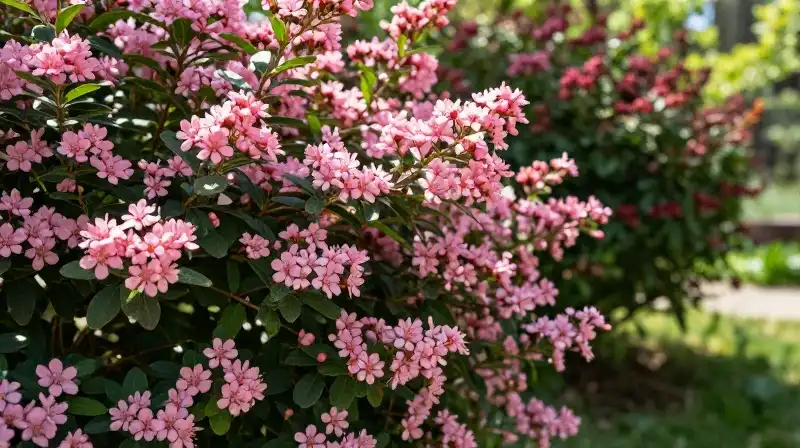
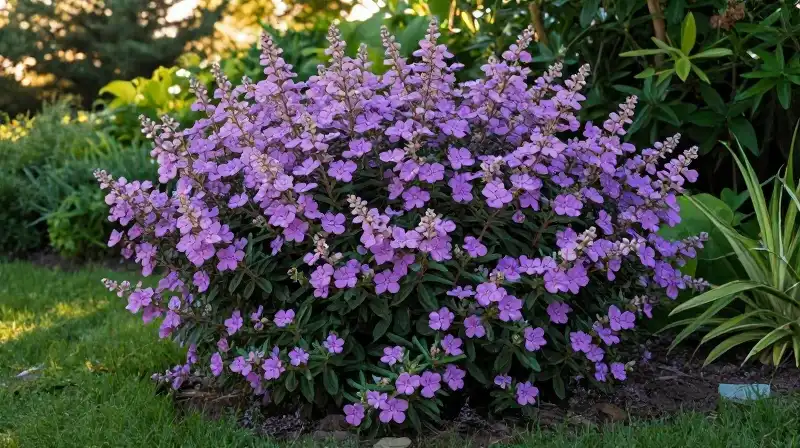
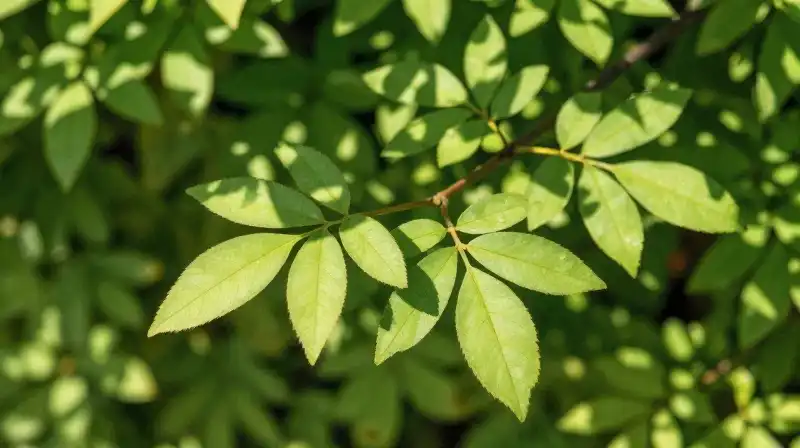
This hybrid, a cross between Abelia x grandiflora and A. schumannii, possesses a distinctive and graceful form. It develops a classic funnel shape, often with arching branches that lend it an informal, natural elegance. The foliage is a key feature, providing texture and seasonal color; while it is deep green in cooler periods, it takes on a striking maroon or bronze tint during the active growth phase and in the fall. The shrub is crowned by clusters of aromatic, tubular flowers, typically appearing in soft shades of pink and lavender during the summer and fall months.
A notable attribute of the Abelia Edward Goucher is its resilience. It is noted for having no significant issues with common pests or diseases, contributing to its reputation as a reliable choice for less demanding gardeners. Its natural arching habit also makes it ideal for shaping as a dense, informal screen.
Growing Requirements and Environmental Needs
Success with this shrub depends on providing the correct balance of light, soil, and water. While it tolerates partial shade, it performs best in full sun, which encourages more vigorous growth and richer flowering. The plant is highly adaptable, thriving in USDA hardiness zones 6 through 9.
Soil and Planting Strategy
The ideal growing medium must be rich and well-draining, yet capable of retaining sufficient moisture. While it handles various soil types, heavily amended, fertile soil will support the most robust development. Planting should occur in the early spring or early fall to allow sufficient time for establishment before the onset of severe weather.
Care and Maintenance for Longevity
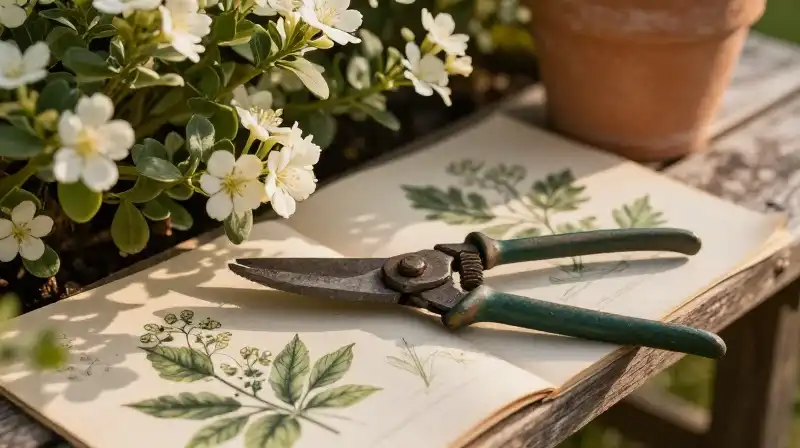
Due to the nature of its flowering cycle—blooms emerge on new wood—the pruning schedule is critical to maintaining shape and encouraging continuous bloom. You should prune the shrub in the winter or early spring before new growth begins. This routine maintenance will help keep the shrub healthy and manage its size effectively.
Nutrient Needs and Growth Management
To support the vigorous spring and summer growth, applying a slow-release fertilizer annually is recommended. Because the shrub’s mature size can vary based on climate, monitoring its growth is important. While it typically matures to a height of 5–6 feet and a width of 6–7 feet, in warmer, winter environments, it can remain more compact, growing only 2–5 feet and maintaining a semi-evergreen appearance.
Practical Landscape Applications
The versatility of the Edward Goucher Abelia allows it to be integrated into nearly any landscape design. Its strong structural integrity and natural arching habit make it suitable for several uses:
- Foundation Plantings: Provides year-round structure and color near buildings without demanding excessive space.
- Shrub Borders: Creates a soft, continuous line of color and texture.
- Hedges and Screens: When planted closely together, its density allows it to form effective, natural, low-maintenance hedges or privacy screens.
- Specimen Planting: Used as a focal point, the shrub showcases its distinctive color transitions and arching form.
Critical Considerations for Growing
While the Abelia Edward Goucher is generally robust, there are specific conditions and nuances to be aware of to ensure it thrives.
Understanding Growth Habits: It is important to note the variation in growth. In cooler zones, the shrub may die back to the ground during harsh winters. Conversely, in warm environments, it functions as a semi-evergreen plant. Adjust your expectations regarding foliage retention based on your specific local climate.
Deer Resistance: While noted for its deer resistance, no plant is 100% immune. In high-risk areas, combine this shrub with others or use protective fencing until the shrub is fully established and known to deter browsing.
Conclusion: Maximizing Your Planting Success
The Abelia Edward Goucher is a reliable, attractive, and structurally sound shrub ideal for deer-prone gardens and varied landscape designs. To maximize its benefits, prioritize full sun and well-draining, fertile soil. Commit to a disciplined pruning schedule in the late winter to maintain its graceful form. By understanding its growth nuances—such as its capacity to function as both an evergreen and a semi-evergreen shrub depending on the climate—you can effectively integrate this versatile Abelia into a successful, low-fuss landscape.
How to Grow and Maintain Abelia Edward Goucher
Prepare the Site
Ensure the plant receives full sun and plant it in a rich, fertile, and well-draining soil mixture.
Plant the Shrub
Plant the Abelia in the early spring or early fall to allow enough time for proper establishment before adverse weather hits.
Apply Fertilizer
To support vigorous growth, apply a slow-release fertilizer to the shrub annually.
Prune for Shape and Bloom
Prune the shrub in the winter or early spring before new growth begins to maintain its shape and encourage continuous flowering.
Monitor Growth
Observe the plant's development and adjust your expectations regarding its size and evergreen status based on your specific local climate and hardiness zone.
Related Articles