When to Use Pre-Emergent: A Guide to Proper Timing and Application


Introduction
Pre-emergent herbicides are specialized chemical controls designed to prevent weeds from establishing themselves. They do not kill weeds that are already growing above the soil surface; their effectiveness hinges entirely on being applied at the precise moment a target weed seed is about to germinate. For proper weed control, timing is not just important—it is the defining factor of success. A single application is rarely enough; effective management involves understanding the specific life cycle of the weeds you are targeting and the environmental cues of your region.
Determining the Right Time: Lifecycle and Season
 Choosing when to put down a pre-emergent depends primarily on two factors: the life cycle of the weed you wish to control and the specific season in your climate.
Spring Application for Annual Weeds
If you are dealing with common, fast-growing summer annual weeds, such as crabgrass or various annual bluegrass species that emerge early, application should occur in early spring. This timing ensures that the herbicide forms a barrier in the soil before these vigorous seeds have a chance to sprout and compete with your desired plants.
Fall Application for Dormant and Winter Seeds
Many undesirable plants, like some perennial weeds or specific types of annual bluegrass, germinate during the cooler months. To interrupt this cycle, you must apply the pre-emergent during late summer or early autumn. This strategy prevents seeds that are waiting for winter temperatures from taking root and becoming established.
The Critical Application Process: Beyond Timing
Once you have identified the correct time, the execution of the application is equally vital. Failure to follow application procedures—even if the timing is perfect—will result in reduced weed control.
Activation and Water Requirements
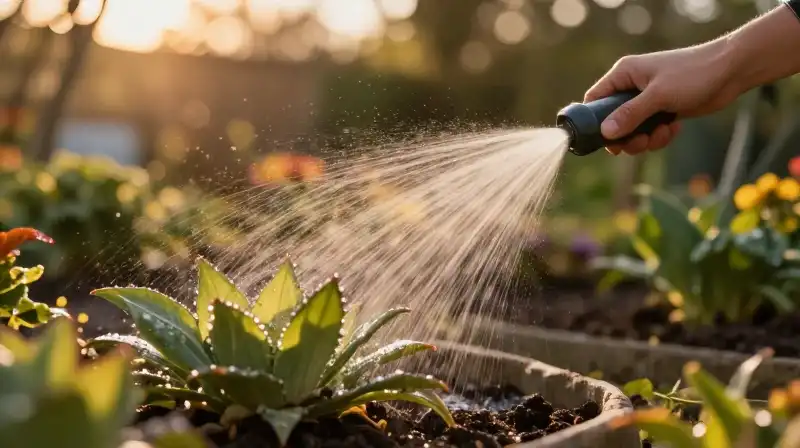
Pre-emergent herbicides are not instant. They must be mixed precisely according to the manufacturer’s specifications and evenly distributed over the target area. However, once applied, the product requires “activation.” This means it needs moisture to create the herbicide barrier in the soil. You must water the area with either a minimum of 0.5 inches of irrigation or allow 0.5 inches of natural rainfall within 21 days of the application. This step ensures the chemical interacts with the soil matrix to prevent germination.
Spray Coverage and Calibration
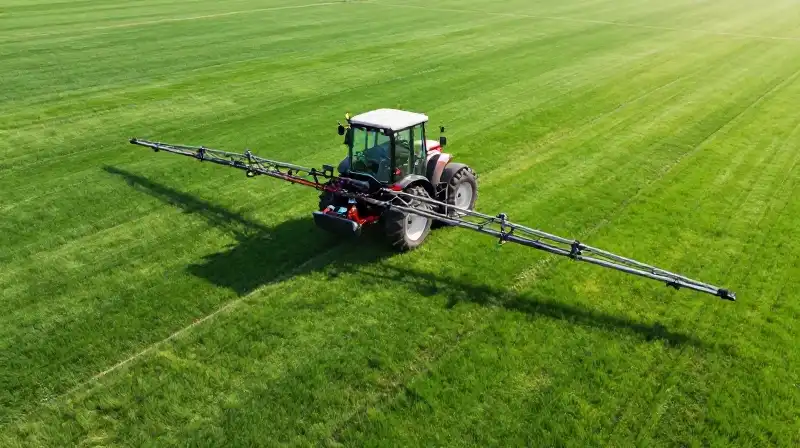
Optimal results depend on thorough, even coverage. The product must reach the soil surface to work effectively. Before application, you must ensure your sprayer is properly calibrated to apply the correct rate. Adhering to manufacturer instructions regarding application rates and equipment calibration is a non-negotiable step for achieving predictable weed suppression.
Preventing Damage: Turf and Seeding Restrictions
 Pre-emergents are powerful tools, but they can have unintended consequences for desirable plant life. Vigilance is required to prevent negative effects, particularly when managing lawns.
Harm to Desirable Plants
Applying pre-emergents requires extreme caution because these herbicides can accidentally affect and harm desirable plants, including specific types of turf. Always review the product label carefully to ensure it is appropriate for your specific lawn type and climate.
Seeding Turf and Pre-Emergents
If you are planning to sow seeds in an area where you have recently applied a pre-emergent herbicide, you must wait. To protect your newly planted seeds from the chemical barrier, you need to wait at least six weeks or, in some cases, up to three full months after applying the pre-emergent herbicide before seeding turf. This delay allows the chemical to diminish or break down sufficiently in the soil.
Summary of Best Practices
To maximize the effectiveness of your pre-emergent herbicide application, consider these practical guidelines:
- Determine the Target: Identify if your target weed is a summer annual (early spring) or a fall/winter germinator (late summer/early autumn).
- Check Your Lawn: Ensure your desired plants will not be damaged by the application and be aware of any specific waiting periods if you plan to seed soon.
- Hydrate the Soil: Always incorporate a minimum of 0.5 inches of water within three weeks of applying the product to activate the herbicide.
- Follow the Label: Strict adherence to manufacturer instructions regarding mixing, calibration, and coverage is essential for success.
Frequently Asked Questions
When should you put out a pre-emergent?
Application timing depends on the target weeds life cycle: if you are controlling fast-growing summer annual weeds, apply the pre-emergent in early spring. Conversely, to interrupt cycles of plants germinating in cooler months, apply the chemical during late summer or early autumn.
How to Apply Pre-Emergent Herbicides Effectively
Determine Application Timing
Identify the target weed's life cycle; apply in early spring for summer annual weeds or late summer/early autumn to target dormant and winter seeds.
Verify Safety and Requirements
Review the product label carefully to ensure the herbicide is appropriate for your specific lawn and consider any waiting periods if you plan to sow seeds soon.
Calibrate and Mix the Product
Ensure your sprayer is properly calibrated to apply the correct rate. Mix the pre-emergent precisely according to the manufacturer's specifications.
Apply for Coverage
Distribute the herbicide evenly over the target area, ensuring it reaches the soil surface to form the chemical barrier.
Activate the Herbicide Barrier
Water the area with a minimum of 0.5 inches of irrigation or allow 0.5 inches of natural rainfall within 21 days of application to allow the product to activate in the soil matrix.
Related Articles