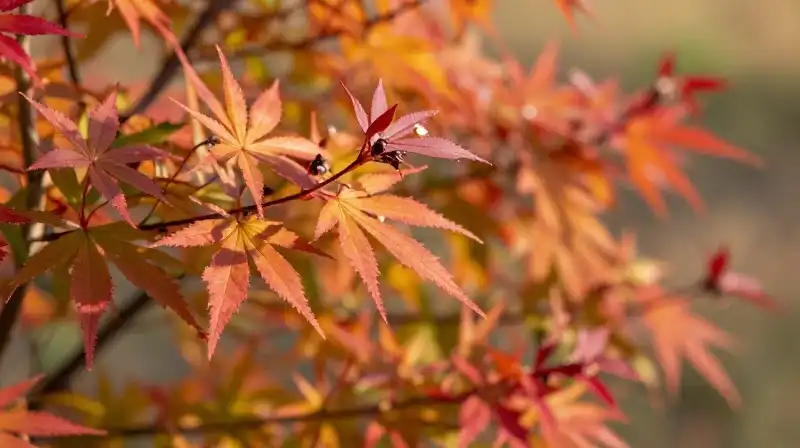
Autumn Brilliance Serviceberry: Blooms, Fruit, and Spectacular Fall Color

Introduction
The Autumn Brilliance Serviceberry, scientifically known as Amelanchier × grandiflora, is an ornamental fruit tree celebrated for delivering a complete, spectacular seasonal display. Unlike many serviceberry varieties that offer a single highlight, Autumn Brilliance is valued because it provides a diverse visual narrative spanning four distinct seasons—blooming in spring, fruiting in summer, and transforming into a vibrant spectacle in autumn. This hybrid is recognized as a fast-growing understory tree or tall shrub, making it an ideal, multi-functional addition to any landscape that demands both culinary utility and dramatic fall color.
As a multi-trunk variety, it is highly adaptable, maturing into either a small, deciduous tree or a large, robust shrub. It is one of the few ornamental trees that reliably ties together edible harvests with world-class seasonal drama, specifically highlighting the vibrant orange and red foliage that gives it the cultivar name.
The Lifecycle of Autumn Brilliance: From Blossom to Brilliance
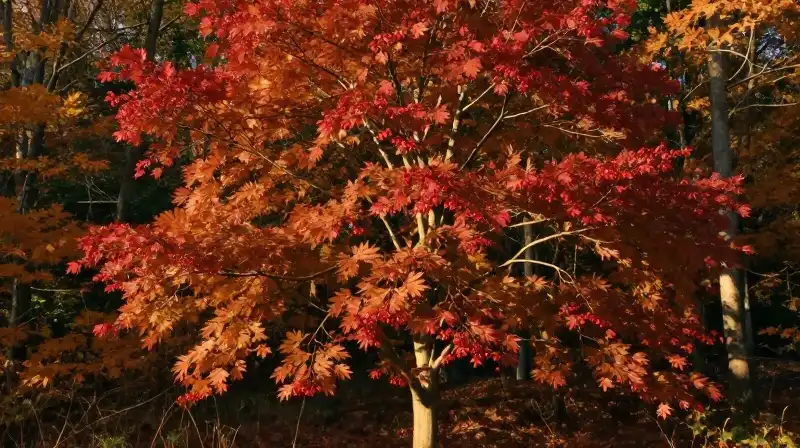
To truly appreciate this plant, it is necessary to understand its complete seasonal cycle. Autumn Brilliance delivers high visual impact at three distinct times of the year, offering a multifaceted experience:
- Spring Bloom (April): The plant initiates its cycle with delicate white flowers. This initial burst of fragrance and light provides a soft, contrasting visual prelude to the summer bounty.
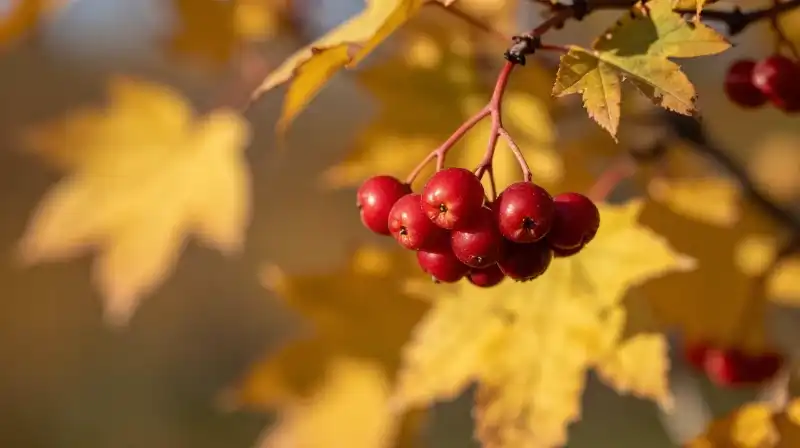
- Summer Fruit (June): The most functional aspect of the plant arrives with its fruit, commonly referred to as Juneberries. These berries resemble blueberries, possess a sweet and tart flavor, and are highly versatile for culinary applications, including jams and pies.
- Autumn Foliage (Fall): This is the period for which the cultivar is most famous. The leaves transition away from their deep dark green summer hue, developing striking bronze tints in the spring and culminating in vivid orange and red coloration during the fall. This dramatic shift defines the “Autumn Brilliance” name.
Sizing, Structure, and Ideal Planting Locations

Understanding the mature size and structure of the tree is critical for planning its placement in your garden. Autumn Brilliance typically develops as a deciduous, multi-trunked understory specimen.
Growth and Dimensions
In cultivation, this plant is not meant to be a massive canopy tree. Its height generally ranges from 15 to 20 feet. Because it develops several trunks, it maintains a relatively dense, layered structure, fitting well into landscapes where a single, wide, and impactful specimen is desired.
Where Do You Plant Autumn Brilliance Serviceberry?
Since Autumn Brilliance is a fast-growing ornamental fruit tree, location dictates its long-term success. Here are the key considerations:
- Sunlight: This cultivar thrives in full sun, which ensures robust flowering, abundant fruit production, and the most intense autumn color.
- Soil Drainage: It prefers well-drained soil. Because it is native to various North American habitats, it is resilient, but excessive moisture can lead to root issues.
- Planting Space: While it is an understory tree, plan for the mature spread of its multi-trunk structure to prevent it from crowding nearby smaller shrubs or house foundations.
The hybrid itself, derived from species like A. arborea and A. laevis, has been bred specifically to handle typical temperate zone climates, making it reliable in many regions, provided local cold hardiness zones are met.
Cultivation and Care for Optimal Yield and Bloom
Achieving the best display—whether it’s the white blossoms in April or the brilliant red leaves—requires appropriate initial care. While the Amelanchier × grandiflora is relatively hardy, certain management practices ensure maximum performance.
Initial Planting Tips
- Preparation: Amend the soil to ensure it is loose and rich. Avoid planting in areas that will become compacted.
- Spacing: Space the tree according to its intended size and landscape needs, allowing adequate room for its five to six feet of trunk spread.
- Watering: During establishment (the first year), consistent watering is essential. After the roots are established, the plant requires less frequent deep watering, encouraging drought tolerance.
Maintenance: Pruning and Growth Rate
As a fast-growing ornamental fruit tree, it responds well to judicious pruning. Pruning is less about shaping the tree and more about encouraging strong, fruit-bearing wood.
Serviceberry Tree Autumn Brilliance Pruning:
- Purpose: Remove any crossing, inward-growing, or dead branches. This improves air circulation and light penetration, which encourages the robust, multi-trunk growth pattern.
- Timing: Pruning is generally best performed in late winter or early spring, before the buds open. This practice ensures the plant puts its energy into flowers and fruit, rather than excessive, weak foliage.
Common Issues and Troubleshooting
Even highly resilient varieties can face challenges. Identifying common issues early can prevent significant damage and maintain the brilliance of your specimen.
Navigating Serviceberry Tree Autumn Brilliance Tree Problems
Keep an eye out for these typical issues:
| Issue | Observation | Action |
|---|---|---|
| Fungal Spots | Small, circular spots on leaves, usually on the undersides. | Ensure good air circulation through pruning and avoid overhead watering. Apply organic fungicides if necessary. |
| Pest Damage | Small holes in leaves or visible clusters of small white insects (aphids). | Use insecticidal soap or a strong jet of water to remove pests. Maintain a healthy, balanced soil structure. |
| Fruit Drop | Premature drop of berries before full maturity. | Often related to stress (heat, drought) or a nutrient deficiency, especially magnesium. Monitor soil moisture levels. |
Choosing Autumn Brilliance: Pros and Practical Considerations

Deciding whether Autumn Brilliance is the right choice for your garden depends on your priorities. While it is one of the most visually striking ornamental trees, there are practical limits and unique characteristics to consider.
Decision Criteria
If your garden needs a tree that combines high ornamental impact with functional edibles, Autumn Brilliance is an excellent fit. However, potential buyers should weigh the following criteria:
- Visual Intensity: Unlike generic serviceberries, Autumn Brilliance provides a more intense, longer-lasting, and varied seasonal experience, making it a superior choice for homeowners prioritizing color.
- Fruit Profile: While edible, the fruit is primarily an ornamental bonus. The focus of this cultivar lies equally in its visual appeal.
- Multi-Trunk Nature: The multi-stem growth, while aesthetically pleasing, means that proper initial management of competing stems is vital to maintaining a balanced, healthy canopy.
Summary of Planting Decisions and Practical Warnings

Selecting the Autumn Brilliance Serviceberry involves accepting a plant with a high demand for full sunlight and well-drained soil, but which rewards the grower with a full spectrum of beauty and harvest. For those planning the garden, the crucial takeaway is this: treat this tree not merely as a single flower or a single fruit producer, but as a cohesive seasonal show. Its strength lies in its complete lifecycle. Ensure its placement accounts for its 15–20 foot maturity and utilize its strong fall color as the primary reason for its selection. Consistent care and targeted pruning will ensure that the orange and red “brilliance” of its fall display is as vibrant as its white spring blooms.
Frequently Asked Questions
Where do you plant Autumn Brilliance Serviceberry?
Autumn Brilliance thrives in full sun and prefers well-drained soil. When planting, ensure you account for its mature, multi-trunk spread to prevent it from crowding nearby shrubs or foundations.
How to Plant and Care for Autumn Brilliance Serviceberry
Soil Preparation
Amend the soil to ensure it is loose and rich, and avoid planting in areas that will become compacted.
Plant Spacing
Space the tree according to its intended size and landscape needs, allowing adequate room for its five to six feet of trunk spread.
Initial Establishment
During the first year, provide consistent watering to the plant to ensure the roots are established.
Routine Pruning
Remove any crossing, inward-growing, or dead branches to improve air circulation and light penetration, encouraging multi-trunk growth.
Optimal Pruning Timing
Perform pruning generally in late winter or early spring, before the buds open, to ensure the plant focuses its energy on flowers and fruit.
Related Articles