Winterizer Fertilizer: Optimal Timing and Best Application Methods

Introduction
Winterizer fertilizer is a specialized blend applied in the autumn to prepare cool-season turf for dormancy and ensure robust recovery in the spring. While often treated as a simple fall application, its purpose is sophisticated: to bolster the roots and enhance the grass’s resilience against seasonal stressors. Using the right timing, the correct chemical profile, and proper application methods determines whether this treatment is a valuable investment or an unnecessary expense.
Before committing to an application, it is vital to understand what winterizer fertilizer does and, critically, which types of grass it is appropriate for. The goal of this guide is to provide a practical framework for lawn owners to make an informed decision and execute a precise application plan.
The Science of Winterization: Why It Works
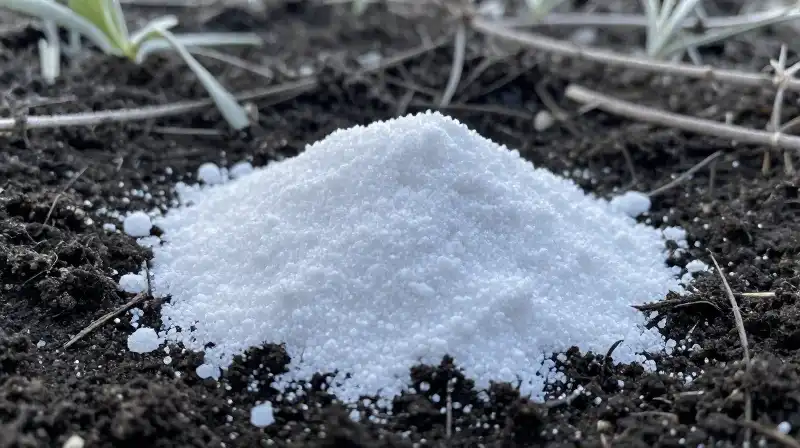
Unlike standard spring applications, winterizer blends are formulated not for aggressive top growth, but for underground health and stress mitigation. The blend is specifically designed to support the grass during its periods of reduced activity.
The efficacy of a winterizer blend relies heavily on two primary nutrients:
- Nitrogen (N): While the grass slows its growth, nitrogen is crucial for sustaining photosynthesis and storing energy within the plant’s root system. This stored energy acts as a fuel source when active growth resumes in the spring.
- Potassium (K): Potassium significantly enhances the turf’s ability to handle environmental pressures. It builds cellular strength, increasing tolerance against cold temperatures, heat, drought, and common fungal diseases.
The addition of phosphorus (P), though often secondary in winterizer blends, helps strengthen root structure and overall plant vitality.
Determining Applicability: Warm vs. Cool Season Grasses
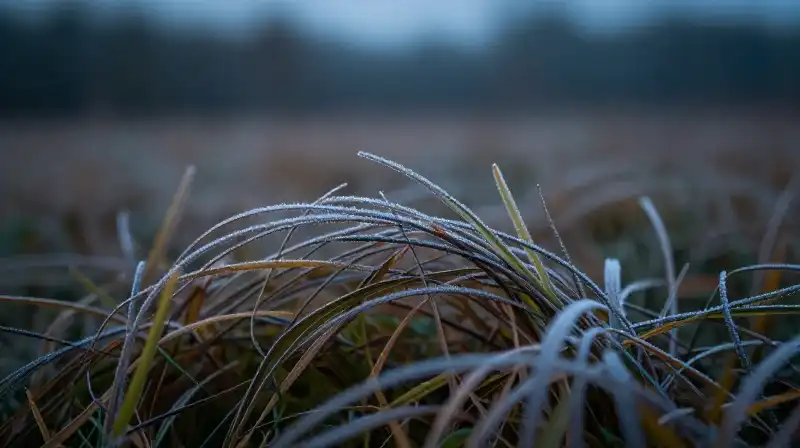
The single most important step before purchasing winterizer is verifying your grass type. Using a nitrogen-heavy blend on the wrong grass can severely damage the lawn.
| Grass Type | Common Examples | Winterizer Suitability | Reasoning |
|---|---|---|---|
| Cool-Season | Kentucky bluegrass, Perennial ryegrass | Highly Suitable | These grasses enter dormancy in the fall, making root preparation crucial for overwinter survival. |
| Warm-Season | Bermuda, Zoysia | Not Recommended | Nitrogen application can interfere with their normal growth cycle and lead to undesirable vigor before dormancy. |
If your lawn consists of Bermuda or Zoysia, prioritize soil amendments or deep watering strategies instead of nitrogen-rich fertilizers.
Optimal Timing and Regional Considerations

The timing of winterizer application is determined not by a calendar date, but by the temperature of the soil and air. You must apply the fertilizer before the ground becomes too cold for the nutrients to be utilized effectively.
Ideal Application Window:
In general, the application window typically closes by late October. This allows sufficient time for the nutrients to be absorbed and processed by the root system before severe freezing occurs.
Northern Zones: For lawns situated in northern USDA hardiness zones that experience earlier, harsher freezes, fertilization may be necessary as early as September to ensure the nutrients are locked into the roots before the first hard frost.
Always check local agricultural extension services, as regional microclimates dictate the true cutoff date for safe application.
Executing the Application: Best Practices and Pitfalls

A successful application requires precision, patience, and caution. Because the goal is root fortification, the application must be strategic.
1. The Pre-Treatment Step (Soil Analysis): Before spreading any fertilizer, conduct a soil test. This verifies existing nutrient levels and allows you to tailor the amount of winterizer, preventing fertilizer burn or unnecessary nutrient overload.
2. The Low-and-Slow Approach: Always adopt a conservative application strategy. It is advisable to apply less fertilizer than the package suggests. A gradual, controlled feeding ensures the turf absorbs nutrients without suffering from chemical stress.
3. Application Method: Use a broadcast or hand spreader to ensure the blend is distributed as evenly as possible across the lawn. Avoid concentrated spots.
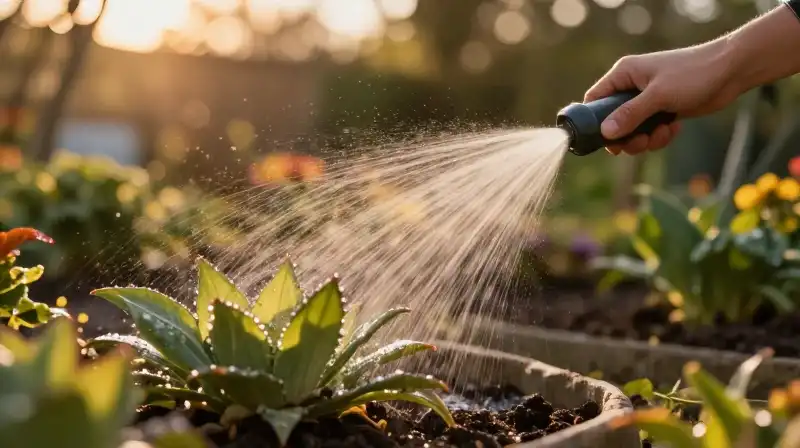
4. Post-Application Watering: Immediately after spreading, lightly water the lawn. This critical step helps dissolve the granules and allows the essential nutrients to penetrate and be absorbed by the soil and roots.
Alternative Preparation: For an organic approach, applying a thick layer of high-quality, well-aged homemade compost before the first frost provides excellent soil structure and slow-release nutrients without the risk of chemical burn.
Answering Key Questions: Is Winterizer Fertilizer Worth It?
What is the difference between fall fertilizer and winterizer?
The difference is one of intent. Standard fall fertilizer is often designed to promote vigorous late-season growth (a “quick boost”). Winterizer fertilizer is designed specifically for long-term dormancy preparation. Its focus is less on immediate green foliage and more on strengthening the underground structure (root density and cold tolerance) to survive the winter and maximize spring regrowth.
Is winterizer fertilizer worth it?
For cool-season grasses, yes, it is generally worth the investment, provided it is applied correctly. Its value lies in risk mitigation—it is a proactive measure against environmental stress (frost, disease, drought). However, the value is conditional: if the grass type is incorrect, or if application is too aggressive, the cost is simply wasted.
Practical Precautions for Successful Application
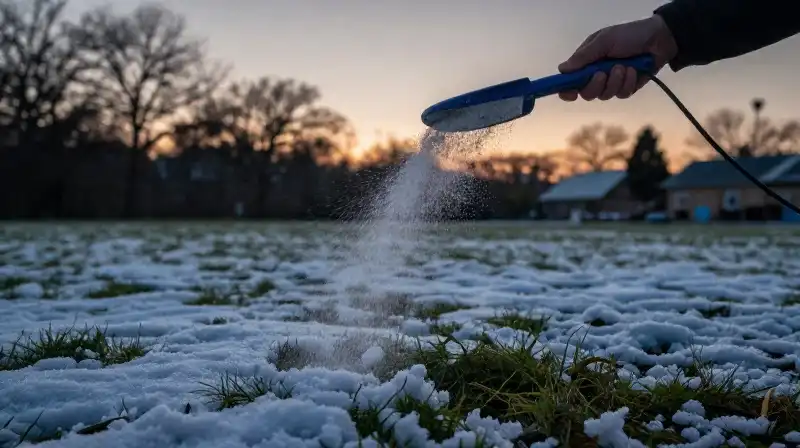
Navigating the use of specialized chemicals requires prudence. To ensure the longevity and health of your turf, maintain these critical guidelines:
- Verify Local Regulations: Always confirm municipal guidelines regarding fertilizer types and permitted application windows in your specific geographical region.
- Avoid Over-Application: More is not better. Over-applying winterizer can lead to salt buildup and nutrient lock-out, which harms the lawn long-term.
- Prioritize Soil Health: Utilize soil testing as the primary decision-making tool before adjusting nutrient levels.
By understanding the difference between dormant growth and active vigor, selecting the right blend for your grass type, and adhering to a low-and-slow application method, winterizer fertilizer can be a highly effective tool for transforming your lawn’s resilience through the coming seasons.
Frequently Asked Questions
What is the difference between fall fertilizer and winterizer?
The difference is one of intent; standard fall fertilizer is designed to promote vigorous late-season growth, while winterizer fertilizer is designed specifically for long-term dormancy preparation. Its focus is less on immediate green foliage and more on strengthening the underground structure and root density to survive the winter and maximize spring regrowth.
Is winterizer fertilizer worth it?
For cool-season grasses, it is generally worth the investment because its value lies in risk mitigation against environmental stress like frost, disease, and drought. However, the value is conditional, and the cost is simply wasted if the grass type is incorrect or if the application is too aggressive.
How to Apply Winterizer Fertilizer
Conduct Soil Analysis
Before applying any fertilizer, conduct a soil test to verify existing nutrient levels and allow you to tailor the amount of winterizer to prevent fertilizer burn or nutrient overload.
Apply Conservatively
Adopt a 'low-and-slow' approach by applying less fertilizer than the package suggests to ensure the turf absorbs nutrients without suffering from chemical stress.
Use Proper Application Methods
Use a broadcast or hand spreader to ensure the blend is distributed as evenly as possible across the lawn, avoiding concentrated spots.
Water Post-Application
Immediately after spreading the fertilizer, lightly water the lawn. This critical step helps dissolve the granules and allows the essential nutrients to penetrate and be absorbed by the soil and roots.
Related Articles