Ficus Triangularis Care Guide: Growing and Maintaining the Plant

Introduction
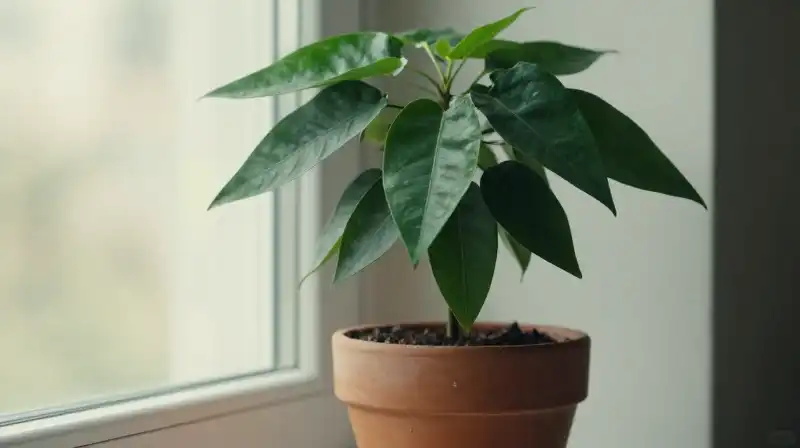
The Triangular Ficus, scientifically known as Ficus triangularis, is a striking plant characterized by its distinctive dark, glossy green foliage shaped like triangles. Native to South Africa, this species is prized for its dramatic leaf structure and slow, architectural growth. While it possesses drought-tolerant attributes, successful cultivation requires understanding its nuanced light, watering, and temperature needs to prevent common issues like leaf scorch or root rot. This guide provides the specific care requirements necessary for a thriving triangularis ficus, whether grown indoors as a bonsai or outdoors as a hardy shrub.
Light Requirements: Indoor vs. Outdoor Placement
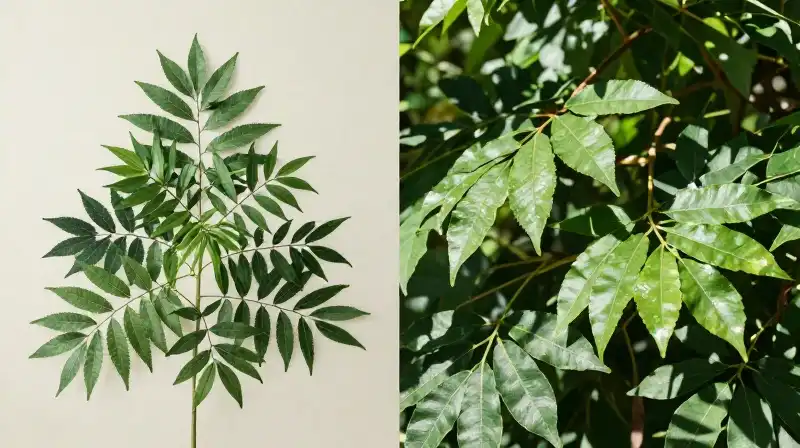
The light needs of the Ficus triangularis change significantly based on whether it is planted indoors or outdoors. Both environments require ample light, but the quality and intensity must be controlled to prevent foliage damage.
Indoor Growing Conditions: Inside, the Triangular Ficus requires bright, indirect light. It is essential to maintain a distance from windows that receive intense, direct sunlight, as the glossy leaves are susceptible to burning and scorching. An ideal spot is near an east-facing window or in a bright room away from harsh afternoon sun.
Outdoor Cultivation: Outdoors, the plant requires a minimum of 4 to 6 hours of sunlight daily. While it can tolerate partial shade, it actually thrives in conditions that range from partial shade to full sun. Providing a good balance of warmth and sufficient light is key to encouraging steady growth.
Watering Strategy: Preventing Root Rot
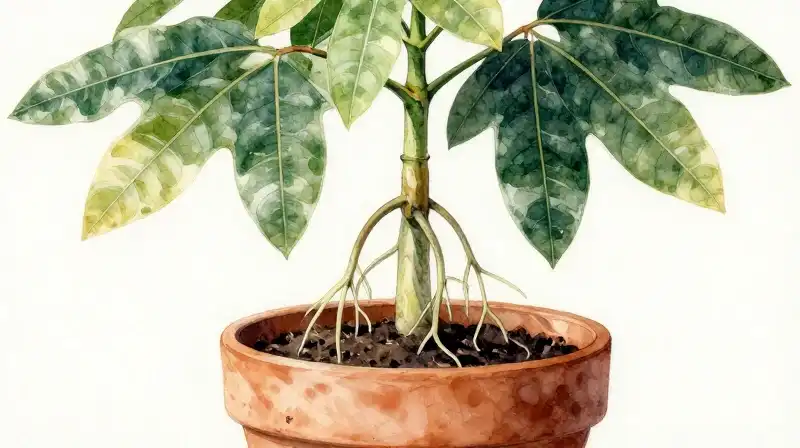
Although the triangularis ficus is drought-tolerant, its dense, fine root structure makes it highly sensitive to overwatering, which is the leading cause of death for the plant. Consistent moisture without air can quickly lead to root rot.
The most crucial aspect of Ficus triangularis care is allowing the top inch of soil to dry completely between waterings. During the primary growing season (spring and summer), watering should typically occur every 7 to 10 days. Always perform the “finger test”—insert your finger into the soil; if it feels damp, wait. Never water on a rigid schedule; always water based on the soil’s moisture level.
Soil, Temperature, and Feeding
To support its health, the plant needs specialized growing conditions regarding its medium and seasonal nutrition.
Soil Composition: It is vital to use a well-draining soil mix specifically formulated for succulents and cacti. This ensures that moisture escapes quickly, preventing the stagnant, damp conditions that cause root susceptibility. Heavy garden soil or standard potting mix will likely lead to moisture buildup.
Temperature and Frost Tolerance: The Triangular Ficus thrives in warm climates with ideal daytime temperatures ranging from 65–75°F. It is non-frost-tolerant and must be protected from freezing temperatures, which can cause irreversible damage or kill the plant entirely. For outdoor placement, it is best suited for USDA hardiness zones 12–13.
Fertilizing: Feeding the plant during its active growth period is beneficial. Apply a balanced NPK fertilizer (such as 5-10-5) only once during the spring growing season, following the instructions on the fertilizer packaging.
Growth Habits and Maintenance Tips
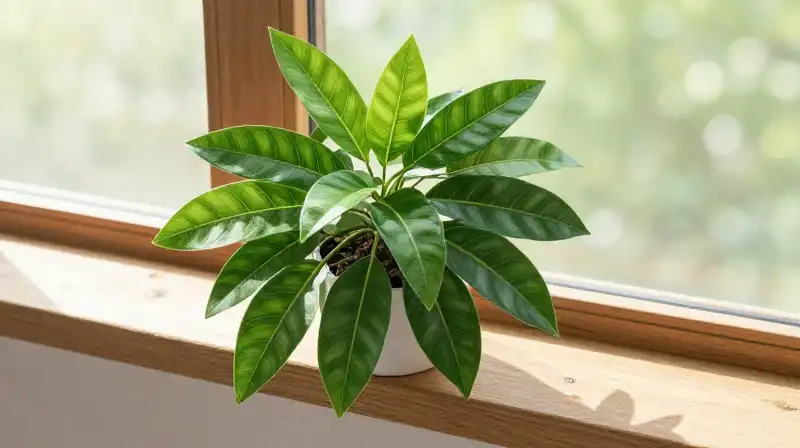
Understanding the plant’s growth rate and its maintenance methods helps owners manage the plant’s size and overall health.
Size Potential: As a slow-growing species, the triangularis ficus has the potential to reach significant heights, up to 8 feet. However, it is commonly maintained at a miniature or bonsai size indoors through regular pruning. Pruning not only maintains shape but also encourages denser foliage.
Propagation: If you wish to propagate your plant, stem cuttings are an effective and reliable method. Ensuring the cuttings are properly calloused and placed in suitable, well-draining conditions significantly improves the success rate.
Common Care Questions for Triangularis Ficus

Here are answers to frequent questions regarding the Triangular Ficus:
- How big does a Ficus triangularis get? While it can naturally reach heights of up to 8 feet, its slow growth rate makes it ideal for growers who prefer a miniature, bonsai-like presentation.
- Does Ficus triangularis need direct sunlight? While it can handle full sun outdoors, direct sunlight indoors should be strictly avoided to prevent scorching the delicate, dark foliage. Bright, indirect light is the preferred choice for indoor placement.
- Is Ficus triangularis an indoor plant? It is adaptable; while it thrives outdoors in warm, sunny climates (Zones 12–13), it is also frequently kept as a decorative houseplant, provided its indoor lighting and watering conditions are meticulously managed.
Final Care Summary: Prioritize Drainage
To ensure the longevity of your Triangularis Ficus, the priority is managing moisture and light placement. Always use succulent-appropriate soil to prevent water stagnation. Be vigilant about checking the soil moisture before watering, especially in summer, as consistent overwatering is the quickest way to damage the plant’s susceptibility and cause rot. Placing the Ficus triangularis in a warm location between 65–75°F, away from frost, will allow it to reach its full aesthetic potential.
Explore more: Dia de los Muertos Skull Designs: Symbols and Artistic Inspi
Frequently Asked Questions
How big does a Ficus triangularis get?
The Ficus triangularis is a slow-growing species that has the potential to reach significant heights of up to 8 feet. Due to its slow growth rate, it is often commonly maintained at a miniature or bonsai size indoors through regular pruning.
Does Ficus triangularis need direct sunlight?
While the Ficus triangularis can handle full sun outdoors, direct sunlight indoors must be avoided because the plant requires bright, indirect light and is susceptible to burning and scorching.
Is Ficus triangularis an indoor plant?
The Ficus triangularis is adaptable; although it thrives outdoors in warm, sunny climates, it is also frequently kept indoors as a decorative houseplant. If kept indoors, it requires bright, indirect light and meticulous management of watering and light conditions.
How to Care for a Triangular Ficus
Choose the Right Environment
For indoor placement, select a bright, indirect location, such as near an east-facing window. For outdoor cultivation, ensure the plant receives a minimum of 4 to 6 hours of sunlight daily.
Prepare the Soil and Pot
Use a well-draining soil mix specifically formulated for succulents and cacti to prevent moisture buildup and root rot.
Monitor Temperature and Protect from Frost
Keep the Triangular Ficus in a warm climate with ideal daytime temperatures ranging from 65–75°F and protect it from all freezing temperatures.
Water Using the Finger Test
Allow the top inch of soil to dry completely between waterings. Never water on a rigid schedule; instead, always water based on the soil's moisture level.
Fertilize During Active Growth
Apply a balanced NPK fertilizer (such as 5-10-5) only once during the spring growing season, following the instructions on the fertilizer packaging.
Maintain and Prune
To manage its size and encourage denser foliage, regularly prune the slow-growing triangularis ficus.
Propagate Via Stem Cuttings
If propagating, use stem cuttings. Ensure the cuttings are properly calloused before placing them in suitable, well-draining conditions.
Related Articles