Obsidian Coral Bells: Growing Guide for Dramatic Dark Foliage

Introduction
Obsidian Coral Bells (Heuchera ‘Obsidian’) are prized ornamental plants celebrated for their intensely dark, almost black foliage. This cultivar is far more than just a dark plant; it offers a dramatic textural contrast and a striking focal point that thrives in diverse landscape settings. If you are looking to add depth, complexity, and elegance to your garden design, understanding the unique needs of Obsidian Coral Bells is the first step toward successful cultivation.
This guide provides a comprehensive overview of how this hardy perennial grows, covering everything from optimal planting conditions and light requirements to maintenance tips and ideal applications, ensuring you can maximize the visual impact of this unique Heuchera.
Defining the Obsidian Look and Structure
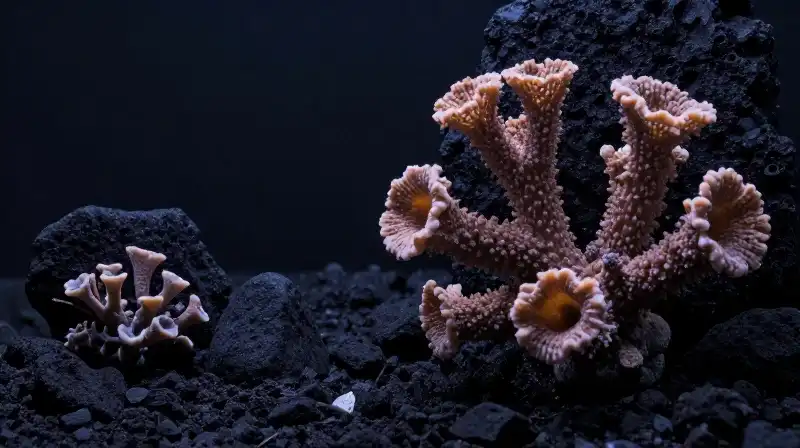
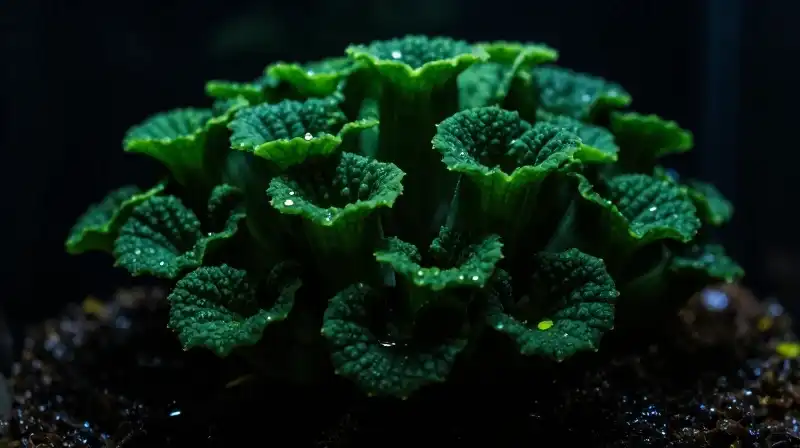
Obsidian Coral Bells stands out among the vast array of Heuchera due to its sophisticated color transitions. The foliage typically emerges in shades of burgundy during the spring before settling into a deep, rich black or dark purple throughout the growing season. This deep coloration is often accentuated by curious, deep purple undersides, giving the leaves a multi-dimensional quality.
The plant maintains a low, dense groundcover habit, though it can exhibit moderate growth, reaching a spread of approximately 12 inches. It is categorized as a dense herbaceous evergreen perennial, providing color and structure long after most seasonal annuals have faded.
How Tall Do Obsidian Coral Bells Get?
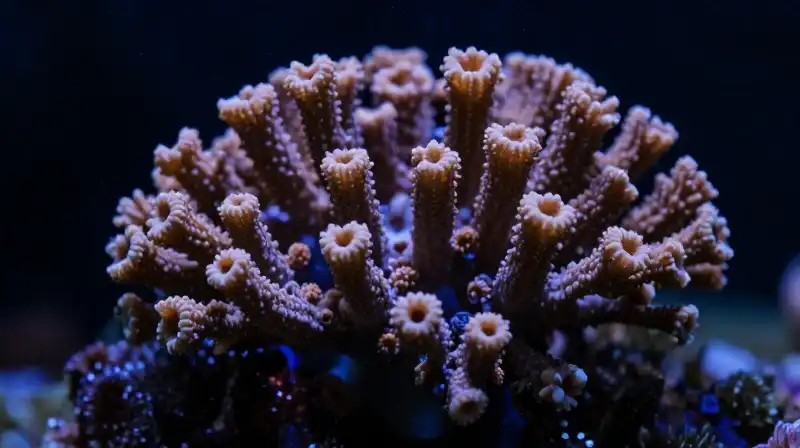
A key factor in landscape planning is understanding the mature size of the plant. In terms of height, Obsidian Coral Bells typically grows at a moderate rate, reaching about 10 inches in height. When the plant enters its peak blooming phase, the structure can reach approximately 24 inches.
This relatively contained size makes it exceptionally versatile. While it works beautifully as a dense groundcover, it is also ideal for use as a structured element in containers or as a dramatic accent among taller shrubs in border plantings.
Optimal Planting and Growing Conditions
Successful cultivation of Obsidian Coral Bells relies heavily on choosing the right microclimate and soil composition. While the genus Heuchera is adaptable, the deep pigmentation of ‘Obsidian’ requires specific attention to light and moisture.
Light and Shade Preferences
Unlike some highly sensitive dark foliage plants, Obsidian Coral Bells is moderately tolerant of varied lighting conditions. It performs well in both full sun and full shade. However, to protect the vibrant dark pigments from sun-scorch and ensure healthy growth, partial shade is often preferred, especially in hot, intense climates. Providing partial shade helps maintain the deep, rich color.
Soil and Moisture Requirements
The plant requires average to moist conditions, thriving in environments where the soil retains moisture but never becomes waterlogged. The ideal growing medium is characterized by:
- Composition: Rich in organic matter to support deep root health.
- Drainage: Excellent drainage is crucial, preventing root rot.
- Tolerance: The perennial is moderately tolerant of urban pollution, adding to its resilience in diverse settings.
When planting in containers, the need for frequent watering must be kept in mind, as containers dry out faster than ground plantings.
Practical Uses in Landscape Design
Obsidian Coral Bells is a powerful tool in the gardener’s palette, offering structure, contrast, and year-round interest. Its unique foliage makes it suitable for several sophisticated design applications:
- Focal Points: Due to its intense, dramatic color, it serves as an immediate visual anchor, perfect for small garden areas.
- Borders and Edging: Its low, dense habit makes it excellent for defining garden borders and providing a strong visual line.
- Groundcover: It is a reliable, non-invasive option for groundcover needs.
- Container Planting: In containers, it functions exceptionally well as a ‘thriller’ element, providing a striking color base among other plants.
Maintenance and Care Guide
Maintaining Obsidian Coral Bells is generally straightforward, focusing primarily on health and encouraging peak foliage. The plant is naturally resilient and resistant to common pests and deer.
Seasonal Pruning and Care
General maintenance involves minimal intervention. A specific care requirement is periodic pruning:
- Late Fall Pruning: Cut the foliage back during the late fall. This procedure prepares the plant for winter and encourages strong root health for the following spring.
- Watering: Ensure the soil remains consistently moist during the active growing season (spring and early summer), allowing the soil to drain completely between waterings.
Pest and Resilience
As a robust perennial, Obsidian Coral Bells shows strong resilience. It is classified as non-invasive and is naturally resistant to most common pests and damage from deer. These characteristics minimize the need for heavy chemical intervention, making it a sustainable choice for many gardeners.
Selecting the Right Obsidian Coral Bells for Your Space
When deciding whether Obsidian Coral Bells is the right fit for your garden, consider the interplay between its appearance and your site limitations. While its deep color is a powerful asset, it dictates specific requirements:
A successful planting requires aligning the plant’s needs with your environment:
- Light Check: Ensure your intended placement receives at least partial shade to prevent color bleaching or sun-scorch.
- Soil Quality: Verify that the soil in your chosen area has good organic matter and excellent drainage.
- Maintenance Commitment: While hardy, it requires regular moisture during its growing season, which means consistent attention in dry or arid environments.
By balancing the dramatic visual appeal of the deep purple and black foliage with careful management of its moisture and light needs, Obsidian Coral Bells provides a reliable and elegant element to any landscape design.
Explore more: Dia de los Muertos Skull Designs: Symbols and Artistic Inspi
Frequently Asked Questions
How tall do obsidian coral bells get?
Obsidian Coral Bells typically grows to about 10 inches in height. However, when the plant reaches its peak blooming phase, its structure can reach approximately 24 inches.
Related Articles