Sweetheart Plant Care: A Guide to Growing and Rooting Hoya Kerrii

Introduction
The Sweetheart plant, scientifically known as Hoya Kerrii, is widely beloved for its distinctive, heart-shaped leaves and its reputation as an accessible houseplant. While it possesses a slow-to-moderate growth rate, this vine can develop into a substantial, heavy trailing presence. Owning a Hoya Kerrii requires a specific understanding of its needs, particularly regarding its “succulent-like” watering requirements and the surprisingly complex process of propagation. This guide provides the detailed knowledge necessary to ensure your Sweetheart plant thrives, from setting up its ideal environment to successfully rooting cuttings.
Optimizing Light and Environment
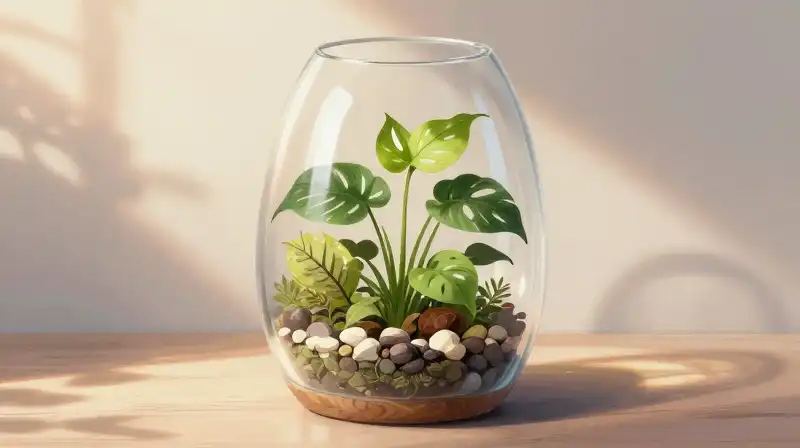
The primary environmental need for the Sweetheart Hoya is bright, consistent light, but this light must be indirect. These plants are highly sensitive to intense heat and direct, hot sunlight, which can quickly lead to severe leaf burn and tissue damage. Positioning the plant near a window that receives morning sun, or slightly away from any window facing midday summer sun, is ideal.
Because the Sweetheart Hoya is a vining plant, its eventual use often involves guiding it to climb trellises or utilizing hanging planters to allow its vines to trail elegantly. During its active growth phase, providing a warm environment supports better development and increased opportunities for flowering.
Watering and Soil Composition
The Sweetheart Hoya requires meticulous management of its water supply, as its leaves store moisture similar to succulents. The cardinal rule of Hoya care is to allow the soil to dry out completely between waterings. Overwatering is the fastest way to trigger root rot, a serious condition that often requires intervention to save the plant.
To prevent water from sitting or stagnating, the potting mix must be rich, highly aerated, and fast-draining. A standard potting soil should be amended significantly with succulent or cactus components, such as perlite, grit, or coarse sand, to ensure proper drainage and airflow around the roots.
Nutrient Management and Pruning
For the Sweetheart Hoya, proper feeding is essential for encouraging a robust, full growth habit. During its active growing season, monthly fertilization with a balanced liquid nutrient solution will optimize its development. It is critical to avoid feeding the plant if it is stressed, whether that stress comes from being completely desiccated or from being overly saturated.
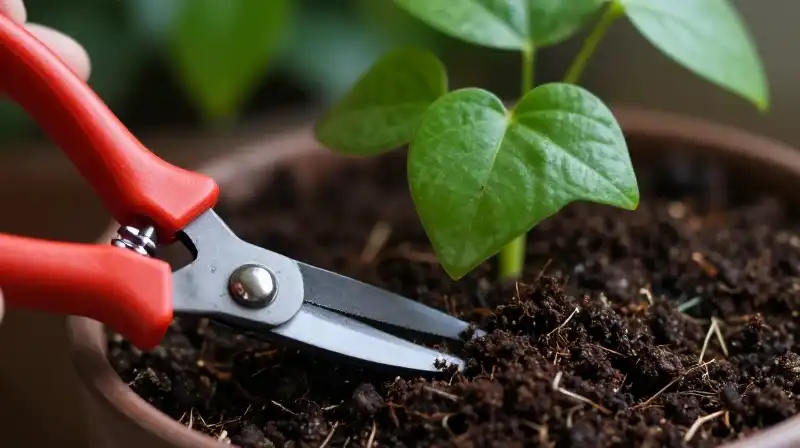
Maintenance often involves selective pruning. Regular, careful pruning serves multiple functions: it helps control the overall size of the vine, encourages the plant to develop a bushier, more compact shape, and allows the removal of any dead or damaged foliage, directing the plant’s energy toward healthy growth.
The Science of Propagation and Rooting Cuttings
One of the most common questions regarding the Sweetheart Hoya is whether individual, heart-shaped leaves can be used to grow a full, new plant. Unlike some succulents, a leaf alone rarely, if ever, develops into a new plant successfully because it lacks the necessary foundation for new growth.
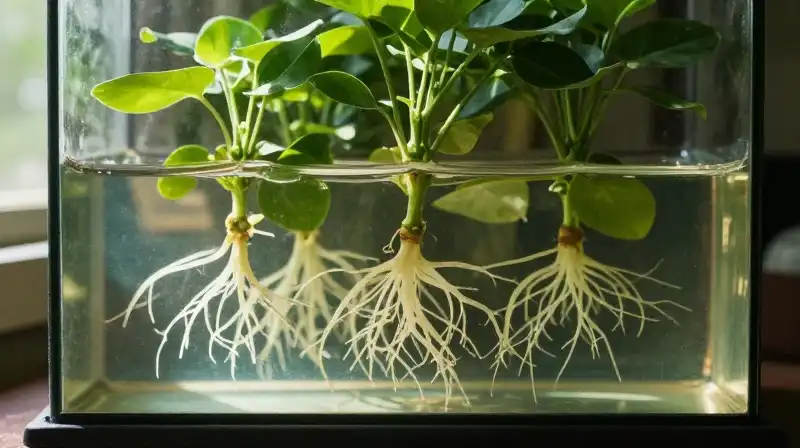
Successful propagation hinges on retaining a portion of the stem attached to the leaf—the petiole. This residual stem tissue is vital because it contains meristematic material. Meristematic material refers to undifferentiated cells that possess the biological capacity, or totipotency, to develop into new roots or shoots. Without this stem tissue, the leaf remains a beautiful decorative piece, but not a plant foundation.
To achieve reliable results, growers should prioritize obtaining either a whole, healthy plant or a stem cutting that includes the stem tissue at the end of the petiole. Developing a mature plant from a leaf cutting alone is extremely unlikely. If stem tissue is attached, the cutting has the potential to develop into a new shoot, though this process can take several years to fully establish.
Ongoing Health and Common Issues
The Sweetheart Hoya is generally considered safe for indoor environments and is non-toxic to common household pets. However, like all indoor plants, it is susceptible to pests, most commonly mealybugs and aphids. These small infestations are managed through routine inspection and gentle cleaning of the foliage, often using diluted insecticidal soap or a soft cloth dipped in alcohol.
Flowering on the Hoya Kerrii is not guaranteed and depends on several factors. To encourage blooms, the plant needs to reach a certain age, receive consistent bright light, and occasionally experience a controlled period of mild root restriction, which can simulate seasonal stress. Furthermore, regular monitoring of its health is key: if the plant appears excessively dry or severely saturated, any attempts at fertilization or propagation will likely fail.
Summary of Care Priorities

Caring for the Sweetheart Hoya balances its aesthetic appeal with its specific biological needs. The key to success lies in respecting its drainage requirements and understanding its growth mechanisms. Always prioritize fast-draining soil and a drought-based watering cycle. When propagating, ensure that the cutting retains active stem tissue to activate the meristematic material and facilitate new life. By providing bright, indirect light and consistent, moderate care, this unique plant will continue to provide a beautiful, lasting presence in your home.
Explore more: Triquetra Meaning: Unpacking the Symbol of the Celtic Knot T
How to Care for the Sweetheart Hoya
Provide Optimal Lighting
Position the Hoya near a window that receives bright, consistent indirect light, such as morning sun. Avoid intense heat and direct, hot sunlight.
Ensure Proper Soil Drainage
Use a potting mix that is rich, highly aerated, and fast-draining. Amend standard potting soil with succulent or cactus components like perlite, grit, or coarse sand.
Manage Watering Carefully
Adhere to the cardinal rule of allowing the soil to dry out completely between waterings, mimicking its succulent-like requirements to prevent root rot.
Fertilize During Growth
Apply a balanced liquid nutrient solution monthly during the plant's active growing season, and always avoid feeding when the plant is stressed (desiccated or overwatered).
Prune for Health and Shape
Perform regular pruning to control the vine's size, encourage a bushier shape, and remove any dead or damaged foliage, redirecting energy to healthy growth.
Monitor for Pests
Inspect the foliage regularly for common pests like mealybugs and aphids, treating infestations gently with diluted insecticidal soap or a soft cloth dipped in alcohol.
Related Articles