How to Cultivate Purple Bearded Iris for Vigorous and Massive Blooms

Introduction
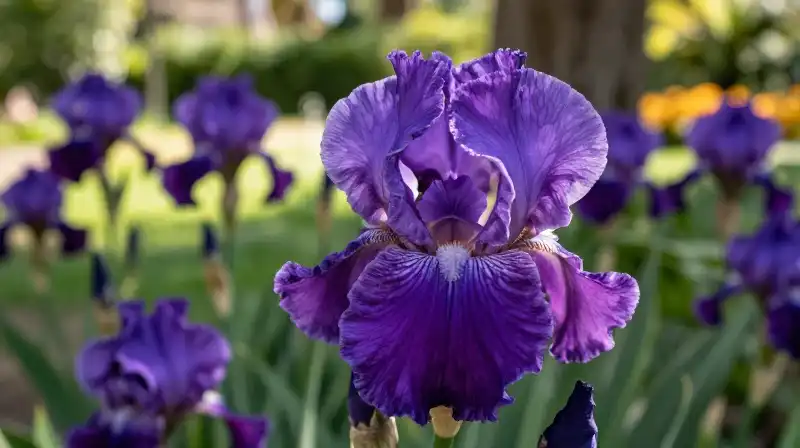
Achieving substantial, high-quality blooms from a purple bearded iris requires more than simply planting a rhizome. The key to maximizing the visual impact and vigor of your purple bearded iris lies in optimizing the specific environmental conditions and maintaining careful horticultural practices throughout the growing season. While many varieties offer stunning displays, successful cultivation translates these genetic potentials into massive, robust clumps that bloom spectacularly. The following guide outlines the necessary steps to move beyond basic gardening and into strategic cultivation for exceptional performance.
Selecting the Right Purple Bearded Iris Variety
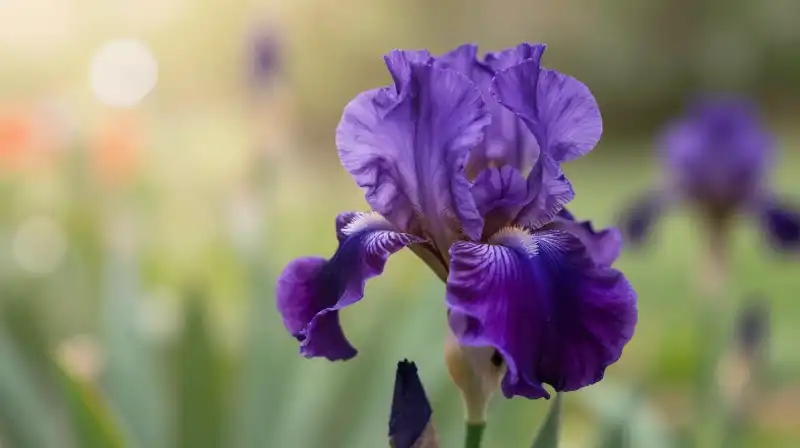
Before focusing on care, choosing the right starting material is critical. While all purple bearded iris varieties provide a beautiful aesthetic, different varieties have different growth habits, height ranges, and light requirements. Consider these factors when purchasing purple bearded iris seeds or bulbs:
- Bloom Type and Color Nuance: Decide between deep, velvety dark purple varieties or lighter, more pastel shades, as color intensity can impact perceived vigor and petal density.
- Growth Habit: Some varieties are more compact, while others are bred for height and spreading, which dictates how much space and attention they will need to achieve a “massive” clump.
- Resilience and Climate Suitability: Check the variety’s resistance to local weather patterns, especially cold tolerance and heat resistance, to ensure consistent blooming performance in your region.
Optimizing Environmental Conditions for Maximum Vigor
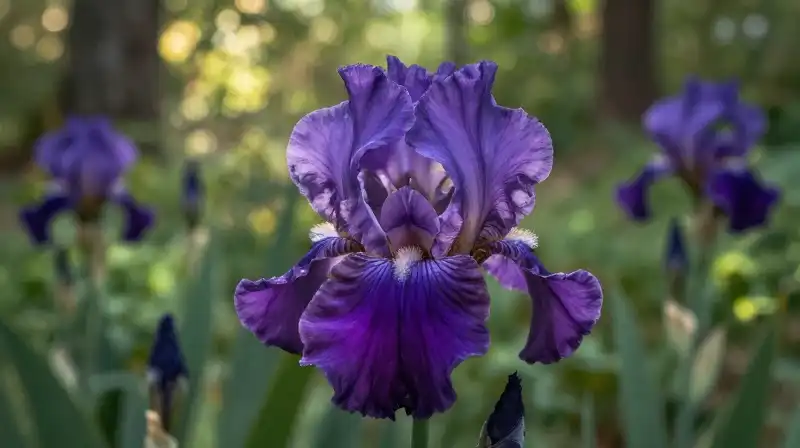
Light and climate are the foundation of a vigorous iris. For a purple bearded iris to put its energy into large, healthy blooms, it requires specific environmental triggers.
Sun Exposure: These irises thrive in environments with excellent sunlight. Ideally, they need at least six to eight hours of direct, intense sun exposure. While some purple bearded iris varieties can tolerate partial shade during the cooler parts of the day, ample morning sun is essential for the high energy levels required for massive blooming results.
Temperature and Airflow: Purple bearded irises prefer conditions with consistent airflow. While they require a period of cold dormancy, proper summer warmth followed by cool nights in early spring stimulates the vigorous growth that leads to larger flower heads and denser foliage.
Soil Preparation and Planting Techniques
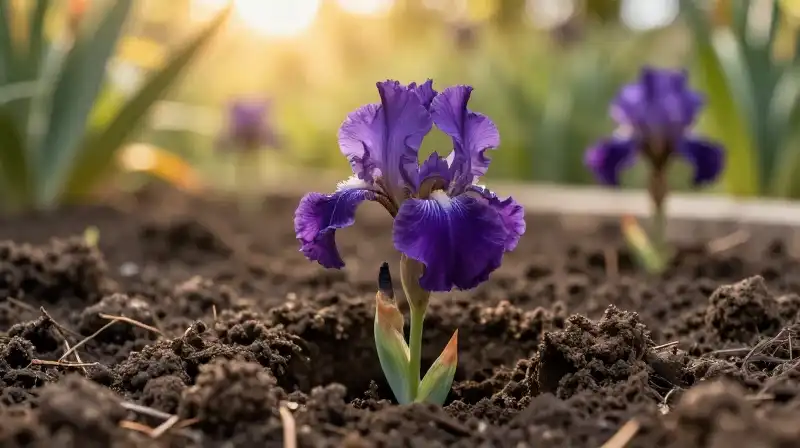
The soil provides the structure and nutrients necessary to support the heavy root systems and large, repeating blooms of successful purple bearded iris plants. Achieving substantial clumps starts with meticulous soil preparation.
Soil Composition: Irises flourish in soil that is well-draining, neither heavy nor overly sandy. A mix incorporating loam, compost, and grit helps prevent rhizome rot while providing sustained nutrition. Proper drainage is particularly vital, as moisture buildup is the primary cause of failure in iris cultivation.
Rhizome Handling and Placement: When utilizing rhizomes, proper placement is crucial for root establishment. Ensure the rhizome is oriented correctly—the “shoulders” or growth points should be slightly elevated above the surrounding soil line, allowing for excellent air circulation around the nascent roots. For new purple bearded iris seeds or young rhizomes, use a deeper planting method to encourage a robust root structure from the beginning, which supports later massive clump development.
Sustaining Vitality: The Care of Repeat Bloomers
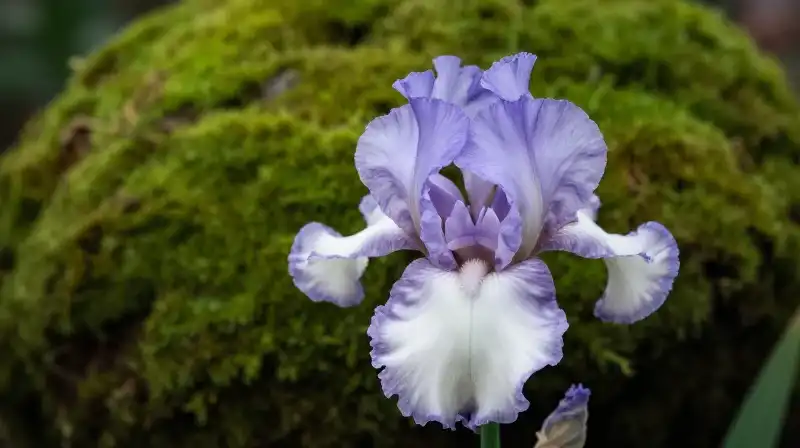
The transition from a single spectacular year to sustained, vigorous, repeat blooming relies heavily on the diligent care given to the mature rhizomes. Proper maintenance is the difference between a fleeting garden success and a reliable, lasting show.
Watering Strategy: Watering should be consistent, particularly during the dry growing months when the plant is actively producing foliage. However, avoid overwatering, especially after heavy rains, as this increases the risk of fungal diseases and rhizome decay. Deep, infrequent watering is usually more beneficial than light, daily sprinkling.
Feeding and Nutrition: Once the purple bearded iris has established itself and begun producing repeat blooms, feeding should occur sparingly but judiciously. A balanced, slow-release fertilizer formulated for perennials, applied during active growth phases, supports the nutrient demands of developing massive foliage and multiple flower stalks.
Decision Criteria: Identifying Common Cultivation Errors
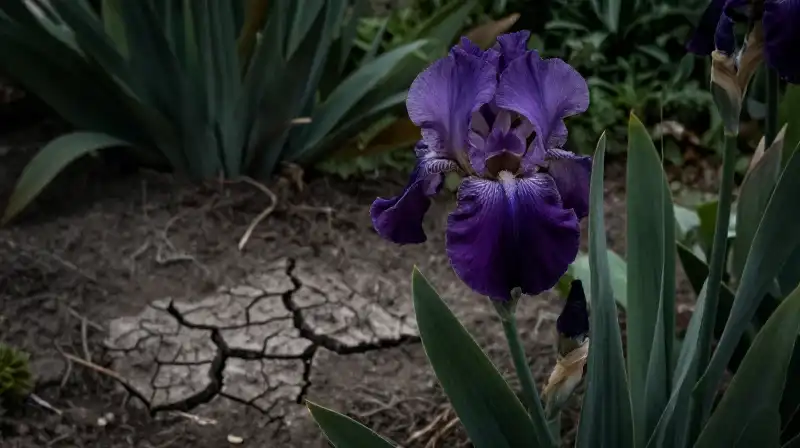
Even with the best materials, specific errors can prevent a purple bearded iris from reaching its full, vigorous potential. Here is how to avoid them:
| Issue | Impact on Bloom Quality | Correct Action |
|---|---|---|
| Rhizome Burial Too Deep | Constricted growth, delayed emergence, smaller clumps. | Ensure only the root base is covered; the top of the rhizome should be slightly exposed. |
| Inconsistent Watering (Wet/Dry Cycles) | Stressed plant, weakened immune system, reduced vigor. | Establish a consistent, deep watering rhythm during the growing season. |
| Shade in Mid-Growth Season | Leggy, weak stems and fewer flowers (poor blooming performance). | Ensure direct sunlight exposure is maintained for a minimum of six hours daily. |
Handling and Maintenance for Longevity
The mature plant requires periodic intervention to maintain its massive, healthy state. Removing spent blooms and managing foliage prevents the plant from expending unnecessary energy on senescent material.
Deadheading: Prompt removal of spent blossoms (deadheading) encourages the plant to redirect its energy into producing a secondary flush of blooms, contributing to a more sustained and prolific display. This process ensures the rhizome focuses its resources on long-term vigor rather than seed production during the main flowering season.
Foliage Management: Allowing the foliage to die back naturally at the end of the season is natural, but removing extremely yellow or damaged leaves early can help maintain overall plant health. The remaining foliage is critical; it is the photosynthetic engine that fuels next year’s massive clump development.
Synthesizing for Spectacular Results
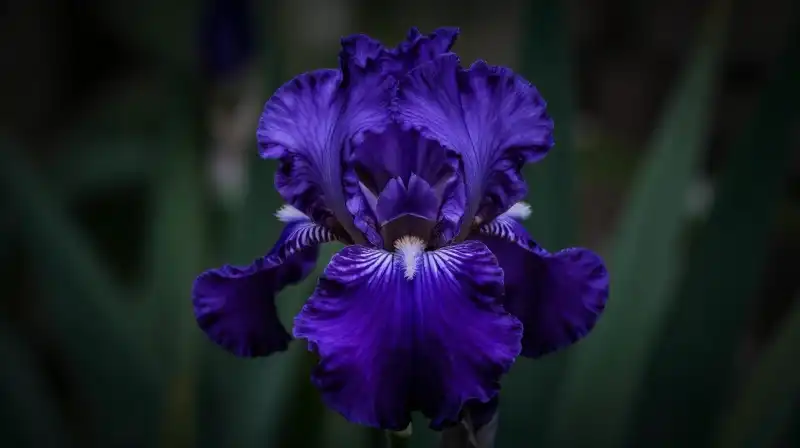
Cultivating a purple bearded iris that produces substantial blooms is a combination of strategic selection and environmental precision. To summarize the path to vigorous results: prioritize locations with intense sunlight and perfect drainage. Use well-draining soil enriched with compost to support root growth. Finally, maintain a regimen of deep, consistent watering and timely deadheading throughout the growing period. Successful cultivation requires viewing the iris not just as a flower, but as a powerful perennial structure that demands consistent, high-quality care to achieve its impressive blooming capacity.
Explore more: Triquetra Meaning: Unpacking the Symbol of the Celtic Knot T
How to Strategically Cultivate a High-Vigor Purple Bearded Iris
Select the Right Variety
Choose a purple bearded iris variety based on its bloom color nuance, growth habit, and resilience to your local climate to ensure optimal vigor.
Optimize Environmental Conditions
Place the iris in an area with at least six to eight hours of direct, intense sunlight and ensure the area has consistent airflow to prevent disease.
Prepare the Soil
Mix well-draining soil using loam, compost, and grit to support the rhizome and prevent moisture buildup.
Plant the Rhizome
Orient the rhizome so the 'shoulders' or growth points are slightly elevated above the surrounding soil line, using a deeper planting method for young specimens to encourage robust root structure.
Implement Watering Strategy
Water consistently during dry periods, favoring deep, infrequent applications over light, daily sprinkling to prevent rhizome decay.
Manage Nutrition
Apply a balanced, slow-release fertilizer formulated for perennials judiciously during the active growth phases to support massive foliage development.
Perform Deadheading and Foliage Management
Promptly remove spent blossoms (deadheading) to encourage a secondary flush of blooms, and remove only extremely yellow or damaged leaves while allowing the rest to die back naturally.
Related Articles