Best Tomato Trellis for Any Plant: Determinate vs. Indeterminate

Introduction
Choosing the best trellis for tomatoes requires more than just selecting the most decorative option; it demands understanding the fundamental structural needs of your specific tomato plant. The primary factor in trellising success is whether your variety is determinate or indeterminate. These two growth habits dictate the level of support required, the type of trellis that will be practical, and the amount of time you must dedicate to maintenance.
The goal is to provide enough structured support to manage the plant’s weight and sprawling habit while maximizing airflow to prevent common fungal issues like blight. Using the wrong support—such as attempting to manage a sprawling indeterminate vine with a simple, short cage—can lead to premature plant failure and wasted effort. This guide analyzes the most effective trellis for tomatoes, matching support systems to specific growth patterns, budgets, and gardening goals.
Understanding Indeterminate vs. Determinate Growth
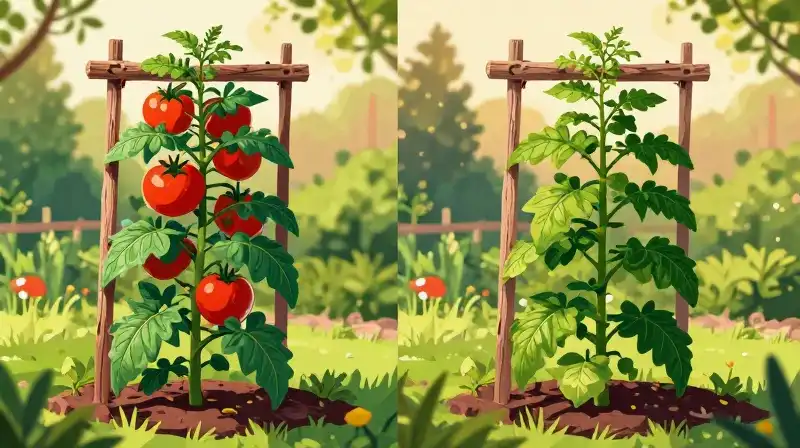
Before selecting any trellis, it is crucial to identify your tomato variety. The differences in their growth patterns are fundamental to selecting the appropriate trellis.
Indeterminate Tomatoes: The Continuous Vine
Indeterminate tomatoes are the prolific, vining types. They lack a fixed growth pattern and will continue to grow, flower, and produce fruit until frost claims them. These plants require intensive, permanent structural support to handle their continuous upward and outward sprawl, heavy fruit load, and extensive foliage. They are the plants that typically demand a robust, tall trellis for tomatoes.
Determinate Tomatoes: The Bush Crop
Determinate tomatoes (or “bush” tomatoes) reach a predetermined, fixed height and stop growing after setting their fruit. They are generally more compact, making them ideal candidates for less intensive staking or shorter, sturdier support systems. Since their growth is contained, they require less vertical infrastructure but still benefit from stable support to prevent lodging (falling over).
Comparing Tomato Trellis Methods by Function
Different support systems offer varying trade-offs between cost, complexity, required effort, and ultimate support strength. Below are the most common and effective methods.
| Method | Best For | Maintenance/Effort | Cost | Key Benefit |
|---|---|---|---|---|
| Round Cages | Determinate / Cherry Varieties | Low (Minimal setup) | Low (Inexpensive) | Budget-friendly, contained growth. |
| Florida Weave | Determinate / Medium Indeterminate | Medium (Requires stakes and tying) | Medium (Economical setup) | Sturdy, highly customizable vertical support. |
| Single Stem Trellis | Large Indeterminate (Maximizing size) | High (Requires constant pruning/training) | Low (Requires basic materials) | Prevents fungal disease and maximizes harvest per plant. |
| Sturdy/Heavy-Duty Cage | Both Determinate & Indeterminate | Low to Medium | High (Premium investment) | Long-term, robust support for heavy fruit load. |
The Single Stem Trellis Method: Maximizing Quality
The Single Stem Method is an intensive, high-effort technique. It involves training the main central stem vertically while systematically pinching off (removing) all side suckers and leaves that obstruct the center of the plant. This forces the plant’s energy into a single, powerful main trunk. The results are often larger, heavier tomatoes and significantly improved airflow, which is the most effective way to combat fungal diseases like blight. While it maximizes garden space and fruit size, it requires daily focus on pruning and training.
Florida Weave: The Economic Support System
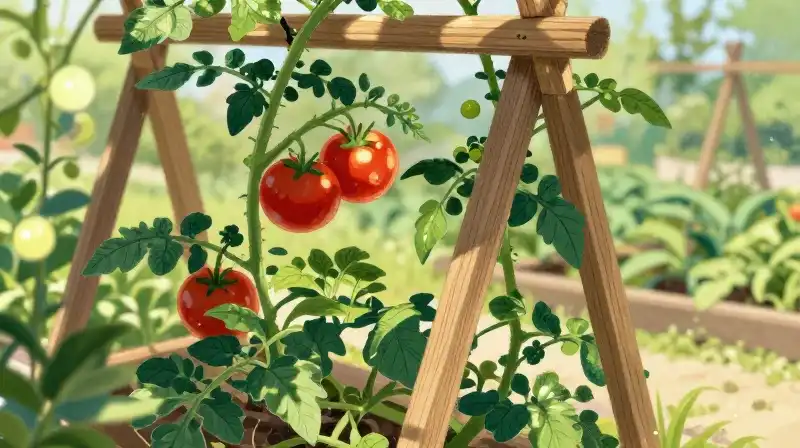
The Florida Weave method is a versatile and economical way to provide sturdy support without the high cost of heavy metal cages. It utilizes stakes and twine arranged in a figure-eight pattern around the stem. It is an excellent option for determinate varieties and can be adapted for indeterminate types, provided the stakes are sufficiently tall to support the vine’s full vertical reach. This method provides stability and is ideal for those seeking a balance between cost and structural integrity.
Round Cages and Sturdy Cages: Defining the Boundaries
Round Cages are best viewed as a cost-effective solution for lower-maintenance, contained varieties (determinate or cherry). They provide adequate initial support but can become insufficient for a fully developed, sprawling indeterminate plant. Sturdy Cages, however, represent a substantial investment in a heavy-duty metal or engineered grid. These cages are designed to support both plant types reliably over long periods, ensuring that even the heaviest, fully fruiting indeterminate tomato remains upright.
Decision Framework: How to Select the Right Trellis for Your Garden
To finalize your selection, match your gardening reality to the required support structure. Consider these three factors: Plant Type, Investment, and Effort Tolerance.
- For the High-Volume Producer (Indeterminate): If you have a vining variety and want a reliable, long-term solution, a Sturdy Cage is the safest investment. If you are willing to dedicate time to plant husbandry, the Single Stem Trellis will yield the highest quality crops.
- For the Low-Maintenance Gardener (Determinate): If your tomatoes are bush types, a simple, affordable Round Cage will suffice. For slightly larger determinate varieties needing stability, the Florida Weave offers a strong, economical upgrade.
- Budget and DIY Focus: If DIY and minimal cost are paramount, start with Round Cages or a basic Florida Weave setup. If the plant requires significant height (over 6 feet), budget for taller stakes for a Florida Weave or invest in a proper Sturdy Cage.
Addressing Common Trellis Concerns and Limitations
Gardeners often encounter specific logistical challenges when trellising. Addressing these limitations preemptively prevents frustration.
Trellis for Tomatoes in Pots
When growing tomatoes in containers, the support must be robust, as the limited root ball and confined space increase the chance of wind-induced instability. For pots, a sturdy, contained trellis like a Heavy-Duty Cage or a well-placed Florida Weave structure anchored within the pot is essential. Simple wire cages may collapse under the weight of wet foliage and heavy fruit.
DIY Considerations and Material Choice
When building a wood trellis for tomatoes or a DIY metal trellis, ensure the material is resistant to rot or rust, especially if placed outdoors for multiple seasons. Metal trellises offer the greatest longevity and structural rigidity, whereas wood requires diligent staining and treatment to maintain integrity.
A critical error to avoid is insufficient staking. No matter how aesthetically pleasing a trellis is, if it is too short or too flimsy, it will fail. Always calculate the trellis height based on the expected maximum height of the mature plant, not just the current size.
Final Selection Criteria: Prioritizing Health and Yield
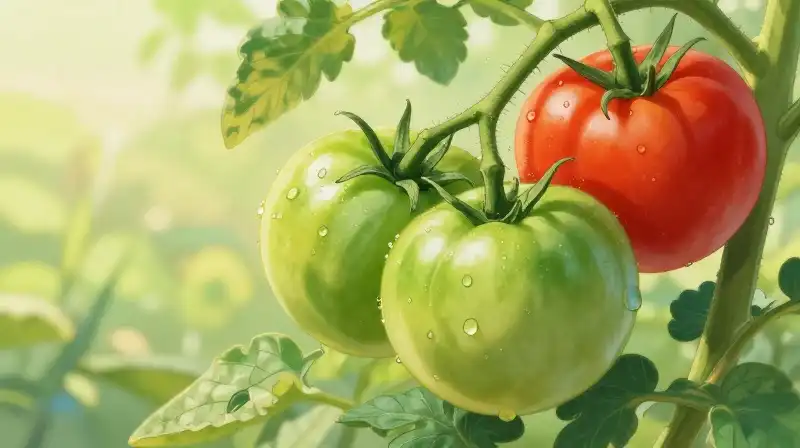
Ultimately, the best trellis for tomatoes is the one that matches your commitment level to the plant. If you seek maximum harvest and disease prevention, the investment in time required by the Single Stem Trellis yields the highest quality. If you require a robust, low-hassle solution for mixed varieties, a Sturdy Cage is the ideal insurance against structural failure. Always select a support system that anticipates the plant’s mature, fruiting size, not its size today.
How to Select the Right Trellis for Your Tomato Garden
Identify Tomato Growth Pattern
Determine if your variety is Determinate (bush, fixed height) or Indeterminate (vining, continuous growth) to understand its structural needs.
Assess Gardening Requirements
Evaluate your gardening goals regarding budget, DIY skill, and maintenance tolerance (how much effort you are willing to put into training and pruning).
Match Support to Needs
Select a support system based on your findings: Indeterminate varieties often require Sturdy Cages or Single Stem Trellises; Determinate varieties benefit from Round Cages or Florida Weave.
Calculate Trellis Height
Crucially, calculate the required trellis height based on the expected maximum mature height of the plant, not just its current size.
Related Articles