Black Dahlia Flowers: Growing, Styling, and Caring for Deep Wine Blooms

Introduction
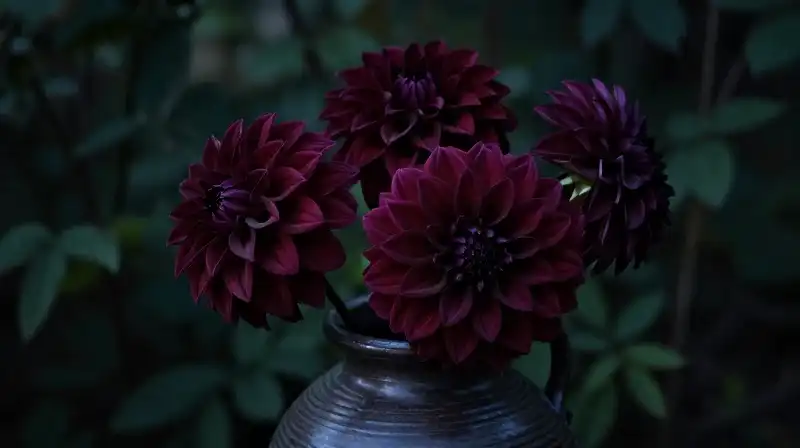
The black dahlia flower, though its name suggests absolute darkness, is a highly sophisticated variety characterized by rich, deep wine red and burgundy tones. These striking blooms are celebrated for their intricate, densely layered petals and powerful aesthetic presence. Unlike generic floral choices, the deep tones of the black dahlia carry specific connotations of elegance, personal strength, and transformation. If you are seeking a focal point that provides strong visual contrast and unique depth, this specific cultivar is an exceptional choice for both seasonal gardens and formal arrangements.
Understanding the Deep Pigmentation
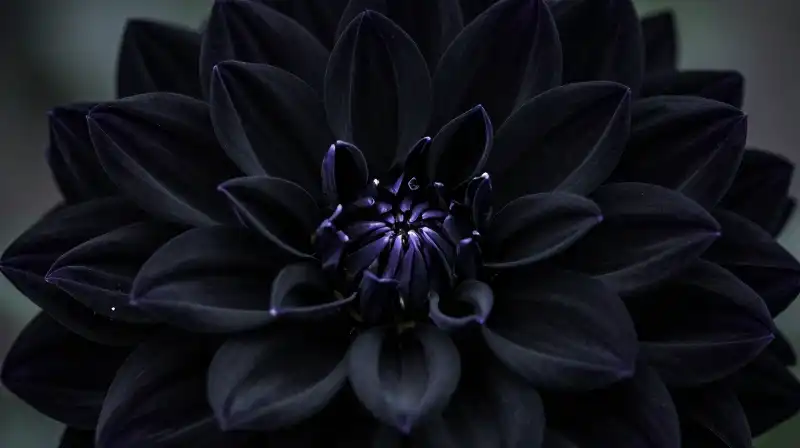 The allure of the black dahlia lies in its extraordinary color, which requires a specific understanding of plant chemistry. It is important to note that true black pigments are extremely rare in botany. Instead, varieties called “black dahlias” achieve their profound, nearly black hue through high concentrations of anthocyanin. These pigments allow the petals to range dramatically from deep purple to a very dark, saturated wine red. This unique composition dictates how the flower behaves. These highly pigmented dark petals absorb significantly more heat than lighter varieties. Consequently, while the flower thrives in bright sunlight for growth, it requires careful management when fully bloomed.
Growing and Cultivation Requirements
Achieving a robust and deeply colored black dahlia requires precise horticultural attention, particularly concerning heat and soil quality.
Light and Temperature Management
The black dahlia requires a sunny location to establish and thrive, typically flowering from July through the onset of the first night frost. However, due to its dark coloring, the plant absorbs heat rapidly. To prevent excessive drying and stress on the delicate blooms during peak summer heat, providing light shade during the hottest parts of the day is critical.
Soil and Nutrition
Optimal growth depends on a nutrient-rich growing medium that is exceptionally well-drained. Dahlias prefer rich, dark soil that allows water to flow freely, preventing the roots from suffering from rot. Regular maintenance, including the timely removal of spent flowers (deadheading), is necessary to maintain the plant’s vigor and encourage the continuous production of high-quality, deep-toned blooms.
Maximizing Bloom Quality and Vase Life
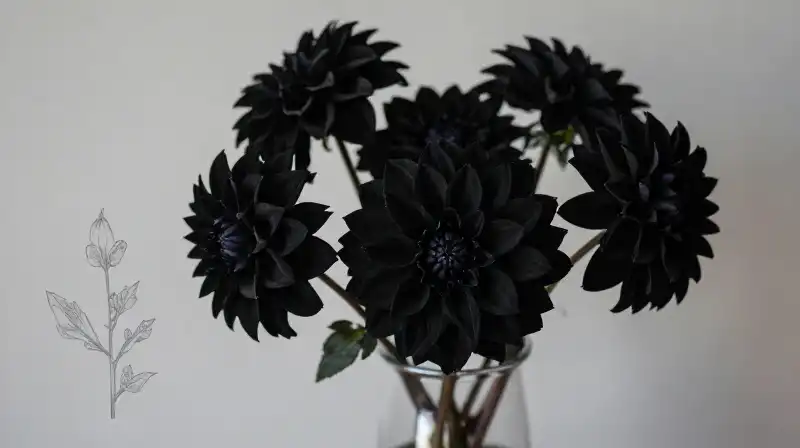 Whether you are growing them for your own enjoyment or selecting them for professional arrangements, proper handling is paramount. Black dahlias, while visually impressive, are naturally delicate and require careful management to achieve maximum vase life.
Harvesting for Floral Design
For the highest quality results in floral arrangements, cutting must be performed early in the morning. This timing ensures the stems are fully moisturized and the blooms are at their peak freshness. Each stem generally features a single, fully developed bloom, occasionally complemented by smaller lateral buds.
Caring for Post-Harvest Blooms
Due to their intricate structure, these flowers require careful post-harvest handling. They can maintain a vase life of at least three days when managed correctly. To maximize longevity, proper refrigeration and professional handling are strongly recommended, particularly for those utilizing these stems in large-scale decorative settings.
Styling with Deep Tones
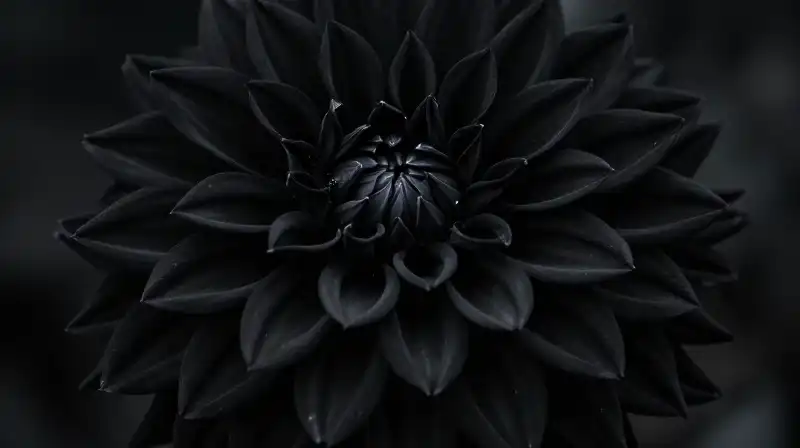 The inherent depth of the black dahlia makes it a powerful tool for interior design and centerpiece creation. The flower’s rich, intense hue offers a unique aesthetic contrast.
When designing an arrangement, the deep burgundy and wine red shades of the black dahlia provide a stunning anchor. They are exceptionally effective when paired with contrasting lighter colors, such as whites or creams, or when complemented by rich, warm autumn hues. The fragrance of the black dahlia is typically very faint, meaning its presence relies entirely on its dramatic visual impact and structural elegance rather than scent.
Maintenance and Practical Considerations
Successful management of these intensely colored plants involves recognizing their specific limitations and needs.
- Vulnerability: They are delicate and require precise handling, especially during transport or trimming.
- Climate: While available year-round, the dark pigments mean they are sensitive to excessive, unmitigated heat exposure.
- Maintenance Priority: Regular pruning and spent bloom removal are necessary to sustain the plant’s health and aesthetic integrity throughout the season.
Choosing a black dahlia involves recognizing that you are acquiring more than just a beautiful flower; you are selecting a cultivar that demands attentive, experienced care to maintain its exceptional dark color and structural perfection.
Explore more: The Three Horns of Odin: Mythological Origins and Historical
How to Grow and Care for Black Dahlias
Prepare the Growing Environment
Use a nutrient-rich growing medium that is exceptionally well-drained to prevent root rot.
Manage Light and Temperature
Place the plant in a sunny location, but provide light shade during the hottest parts of the day to prevent excessive heat stress on the dark petals.
Perform Regular Maintenance
Regularly remove spent flowers (deadheading) to maintain the plant's vigor and encourage continuous production of high-quality blooms.
Harvest for Floral Arrangements
For the highest quality results, cut the stems early in the morning when they are fully moisturized and at peak freshness.
Care for Post-Harvest Blooms
To maximize vase life, store post-harvest blooms under proper refrigeration and handle them with careful attention to their intricate structure.
Related Articles