Dahlias: The Rarity of Blue and the Guide to Cultivation

Introduction
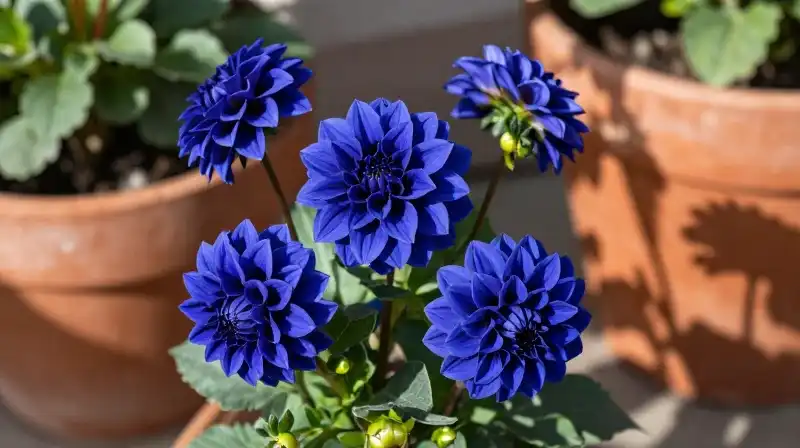
The appeal of the *Dahlia* genus—with its voluminous forms and intricate radial symmetry—is global. Yet, when gardeners search for a blue dahlia flower, they often encounter a specific hurdle: the rarity of true blue. While the genus *Dahlia* possesses a vast spectrum of hues, naturally occurring, true-blue pigments are exceptionally uncommon. Modern horticultural advancements have produced cultivars that exhibit deep indigo or violet-blue tones, but these are often technically purples, and their genetic basis makes them more delicate and challenging to maintain than their vibrant red or yellow counterparts. If you are looking to grow these striking blooms, understanding the biological constraints of the plant, combined with precise care, is essential.
The Genetic Challenge: Why Blue Dahlias Are Rare
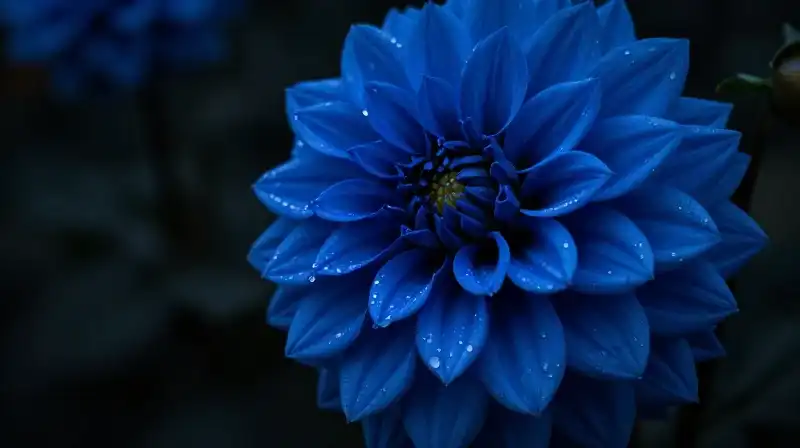
Most garden plants utilize pigments like carotenes (reds, oranges, yellows) or anthocyanins (reds, purples, blues). In dahlias, the expression of these pigments is subject to complex genetic pathways. While some cultivars, like the often-sought ‘Blue Boy Dahlia,’ achieve a profound blue appearance, this color is frequently a highly saturated purple or a deep, cobalt-like shade derived from specific anthocyanins. Biologically, true cerulean blue is a pigment that is extremely difficult to stabilize in floral structures. This rarity is not merely a marketing phenomenon but a biological reality, making blue dahlias both highly prized and, in terms of cultivation, uniquely sensitive.
For those wondering if blue dahlias are real, the answer is yes—they exist and are cultivated. However, it is important to distinguish between the intensely saturated blue tones of specialized cultivars and the natural color diversity of the rest of the genus. The development of these rare blues is a result of dedicated selective breeding and hybridization, making blue dahlia flower seeds and specimens sought-after treasures.
Identifying Blue and Indigo Cultivars
Because the term “blue” can be subjective in horticulture, it is crucial to understand the subtle variations between color types. When researching blue dahlia flower for sale or trying to choose a variety, the description of the color is paramount.
To help make a purchase or planting decision, consider these descriptive terms:
- Deep Indigo: Often a rich, dark purple bordering on blue, indicating high anthocyanin concentration.
- Powder Blue/Sky Blue: A lighter, paler blue that is often more susceptible to temperature changes and environmental stress.
- Violet-Blue: A gradient where blue moves toward the purple spectrum, a very common outcome of this color gene in the genus.
- Cobalt Blue: A vivid, striking blue that remains highly sought after but can be challenging to grow.
When looking for varieties like the ‘Blue Boy Dahlia,’ ensure the source provides detailed descriptions of the color saturation, as the exact hue can vary significantly based on the plant’s age, soil conditions, and exposure to sunlight.
Cultivation Requirements for Blue Dahlias
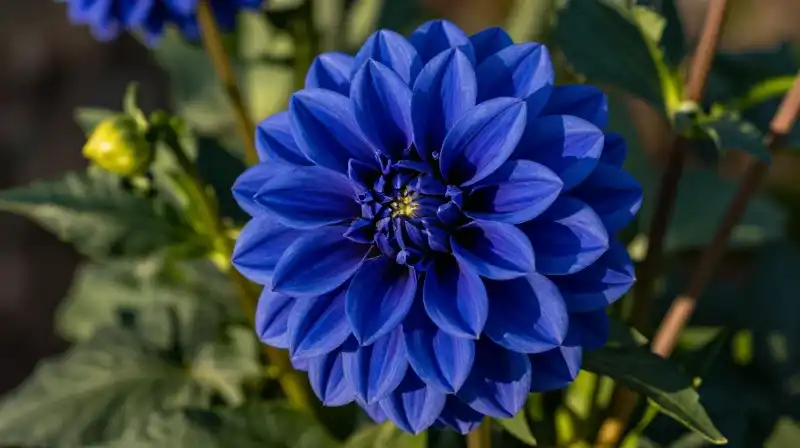
Because blue dahlias are often more sensitive to environmental fluctuations than traditional red or yellow types, their cultivation demands precision. The following environmental and horticultural factors are critical for these sensitive plants.
Environmental Conditions
Dahlias require optimal light and water management to flourish:
- Light: They thrive in areas receiving full, intense sunlight. Dahlias prefer at least six hours of direct sun daily.
- Soil: The soil must be well-drained, rich in organic matter, and fertile. Blue dahlias benefit from soil that is rich in nutrients but not waterlogged.
- Temperature: Dahlias are not frost hardy. In temperate climates, their tubers must be lifted before the first frost and stored in cool, frost-free conditions for winter dormancy. In tropical upland regions (1,500–3,700m), they prefer well-watered conditions in pine-oak woodland habitats.
Preventing Common Cultivation Errors
Many gardeners mistake poor health for color loss. To ensure the intense hue of your blue dahlia flower, address common pitfalls:
- Inadequate Drainage: Overwatering suffocates the tuber and promotes root rot, which starves the plant of the energy needed for deep pigmentation.
- Nutrient Deficiency: Ensure a balanced feed that supports strong growth without pushing the plant into over-blooming without adequate structural support.
- Pest Management: Blue dahlias, like others, are susceptible to aphids, slugs, and red spider mites. Regular inspection and prompt treatment are necessary to prevent damage that might inhibit flowering.
Maintenance: Classification and Ongoing Care
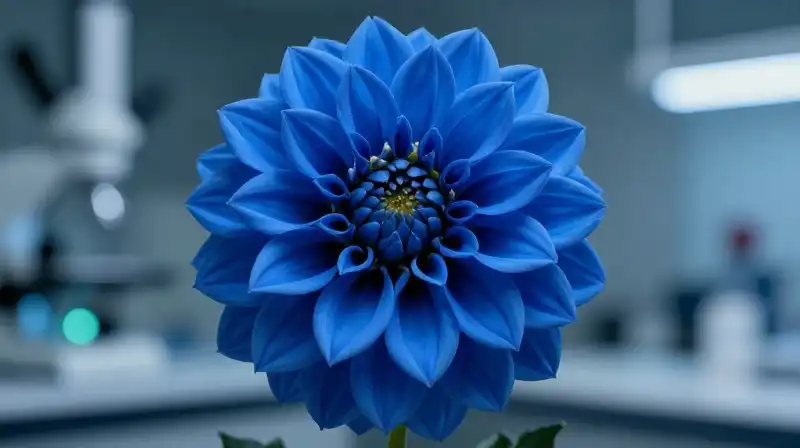
Understanding horticultural classifications helps a gardener decide which variety to use for a specific garden space, influencing the care regimen:
- Size Classification: Categorized by size, such as Dwarf Bedder or Giant, determines planting depth and space requirements. Larger blooms (like a Giant dahlia) require more robust support and a more extensive nutrient base.
- Form Classification: Categories like Single-flowered, Anemone, or Pompon define the flower’s shape. While form does not usually dictate color, choosing a form that matches your desired aesthetic ensures the overall composition is successful.
Beyond flower maintenance, the plant’s underground system—the tuber—is valuable. Historically, indigenous peoples used the hollow stems for various tools, and modern applications include extracting inulin, a functional sugar from the tubers utilized in clinical research, underscoring the plant’s multi-faceted utility.
Final Considerations for Growing Rare Blue Blooms
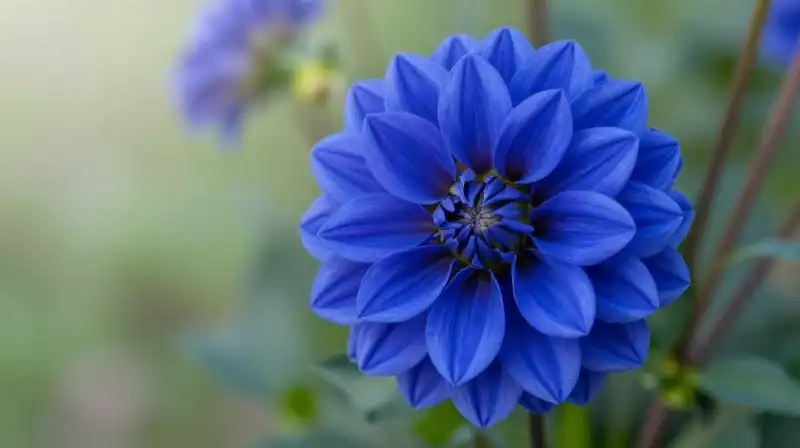
Growing a blue dahlia flower requires commitment to its specific needs. If your goal is to achieve the deepest, most saturated blue or indigo tones, prioritize three elements: optimal soil drainage, consistent sunlight, and the meticulous protection of the tuber during its winter dormancy. These rare blooms are a culmination of human selection and botanical complexity, rewarding careful cultivation with unique and striking garden focal points.
Explore more: Traditional Día de los Muertos: Symbols, History, and Custom
Frequently Asked Questions
Are blue dahlias rare?
True blue in the dahlia genus is exceptionally uncommon because naturally occurring, true-blue pigments are difficult to stabilize in floral structures. These rare blues are produced through dedicated selective breeding and hybridization, making the resultant specimens highly sought after.
How to Cultivate Blue Dahlias
Provide Optimal Light
Ensure the plant receives full, intense sunlight, which requires at least six hours of direct sun daily.
Prepare the Soil
Use soil that is well-drained, fertile, and rich in organic matter to prevent root rot and ensure adequate energy for deep pigmentation.
Manage Nutrients
Apply a balanced fertilizer that supports strong plant growth without encouraging excessive blooming beyond the plant's structural support capacity.
Control Pests
Inspect the plant regularly and promptly treat any signs of common pests, including aphids, slugs, and red spider mites, to prevent damage to flowering.
Handle Dormancy
In temperate zones, lift the tubers before the first frost and store them in cool, frost-free conditions to ensure survival through winter dormancy.
Related Articles