Growing Dahlias from Seed: The Definitive Cultivation Guide
Introduction
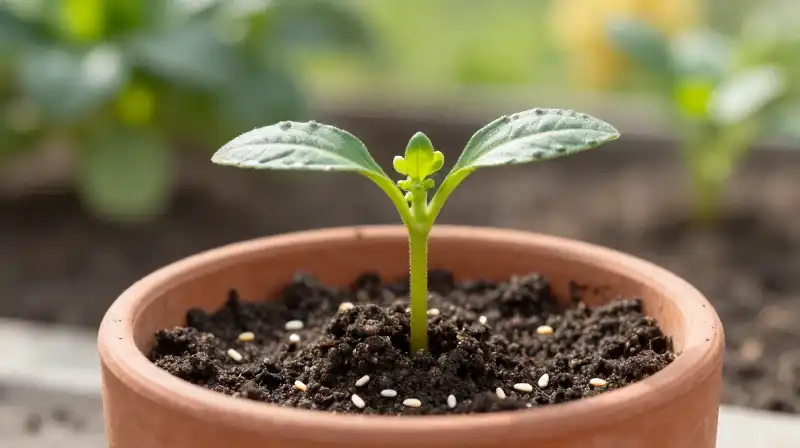
Growing dahlias from seed is a process of patience and precise environmental control, designed to create unique plant varieties and ensure a strong start for your garden. Unlike growing from established tubers, starting dahlia seeds indoors allows you to custom-cultivate plants from the initial germination phase, providing a head start necessary to achieve the magnificent, late-season blooms dahlias are known for. While the ultimate goal is a bountiful garden, success depends entirely on managing the two distinct phases: controlled indoor germination and robust outdoor development. This guide outlines the essential steps for seed germination, proper outdoor planting, and ongoing care to maximize your harvest.
Indoor Cultivation: Germination and Early Growth
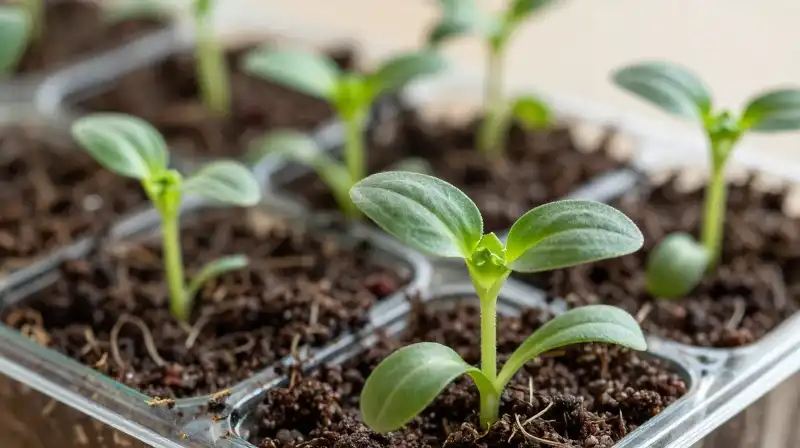 Seedlings require several weeks of protection before they are ready for the outdoors. Dahlias must germinate indoors in a controlled environment, as direct sowing rarely achieves consistent results.
Establishing Ideal Conditions
For successful seed germination, temperature is the most critical factor. Optimal conditions range between 65°F and 70°F (18°C and 21°C). Many growers use heat mats to maintain this temperature consistently, ensuring the seeds reach their optimal starting point. The process typically requires 4 to 8 weeks of indoor cultivation. During this initial stage, the seedlings are highly sensitive, making protection against common pests like slugs and snails a priority.
Soil and Seed Preparation
The medium used for indoor starting must be rich and highly organic. A soil mix heavily amended with compost and organic fertilizer provides the necessary nutrients for early root development. Do not transplant seedlings into the garden too early; wait until they are established and robust to avoid transplant shock.
Soil Preparation and Outdoor Planting Strategy
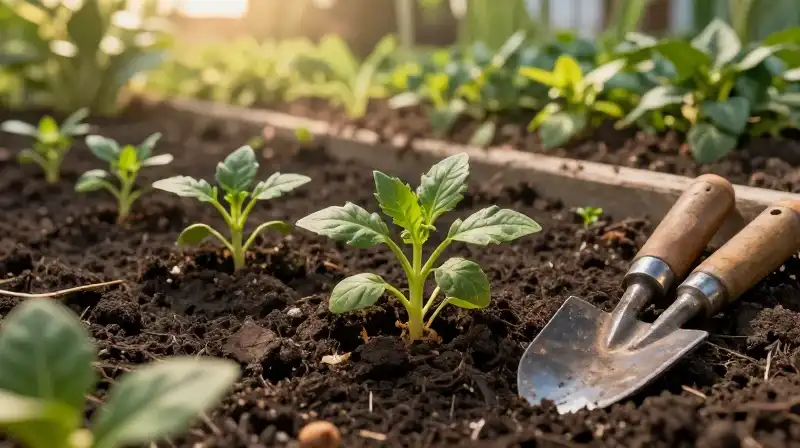 The moment seedlings are ready for the garden, the focus shifts to permanent soil preparation and strategic placement.
Choosing the Right Planting Time
Planting outdoors must wait until the risk of the last spring frost has completely passed. Approximately 3 to 4 weeks after the last frost is the recommended time for transplantation.
Determining Spacing for Yield
Dahlia spacing is a crucial decision that balances plant health against desired growth density. There are two main approaches:
- Standard Spacing: For healthy individual growth and maximum light penetration, space plants 12 inches (30 cm) apart. This allows each dahlia to develop fully without excessive competition.
- Jungle-Like Growth: If your goal is maximum yield and a lush, dense appearance, seedlings can be planted closely—as little as 4 inches apart. This dense crowding promotes prolific, jungle-like growth.
Maximizing Bloom Production and Plant Health
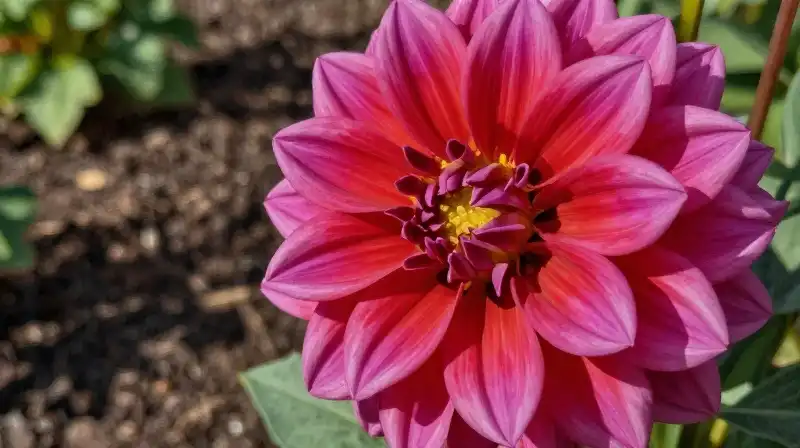 Once established outdoors, ongoing care dictates the health and abundance of your dahlia plants.
Support and Structural Integrity
Because mature dahlia plants become tall and heavy with blooms, early implementation of staking or support structures is necessary. Establishing these supports early will prevent the heavy flower heads from snapping stems, which conserves the plant’s energy for more blossoms.
Pruning and Energy Redirection
To maximize the number of flowers, implement strategic plant maintenance:
- Pinching: Pinch the main growth point of the plant when it reaches 8 to 12 inches in height. This encourages the plant to branch out, leading to multiple stems and increased flower production.
- Deadheading: Consistently remove spent blooms. By removing old flowers, you redirect the plant’s energy away from seed production and back into the development of new, vibrant blossoms.
Climate Considerations
In regions that experience extremely high summer temperatures, providing afternoon shade is a vital mitigation strategy. This prevents heat stress, which can cause wilting and lead to premature flower drop.
Dahlia Seeds: Tubers and Harvest Reality
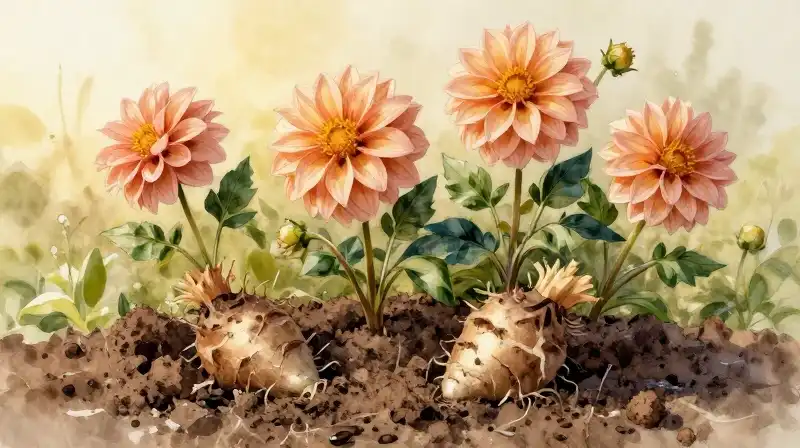 Understanding what the dahlia produces at the end of its lifecycle is important for long-term gardening.
Do Dahlias from Seed Produce Tubers?
Yes, dahlia plants started from seed will eventually produce tubers. However, these “seed tubers” are miniature compared to tubers grown from a pre-existing stock. They are small enough to be useful for propagating a new dahlia variety, though they may require careful handling and several years to produce large, commercial-sized bulbs.
Post-Harvest and Storage
When it is time for harvest, wait to pick flowers until they are nearly fully open. To prepare the plants for the winter, the tubers must be stored correctly. Seed tubers require cool, dark storage between 40°F and 50°F (4°C and 10°C).
Practical Guidelines for Seed Starting Success
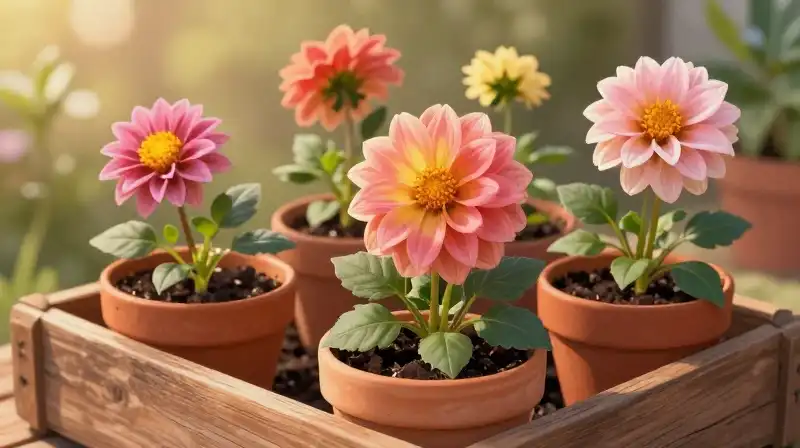 To achieve the most reliable results when growing dahlias from seeds, maintain strict control over the environmental variables. Dahlia seed starting requires precision in three areas: temperature management for germination, consistent soil nutrition to support rapid growth, and strategic spacing once outdoors to prevent overcrowding. By controlling the indoor start, you gain the advantage of cultivating a healthier seedling that is better equipped to handle the demands of a dense, high-yield garden, regardless of whether you opt for standard spacing or the aggressive, jungle-like setup.
How to Grow Dahlias From Seed
Indoor Germination Setup
Ensure optimal indoor temperatures between 65°F and 70°F (18°C and 21°C) using heat mats. Use a rich, highly organic soil mix amended with compost and fertilizer.
Early Growth Protection
Protect seedlings from pests like slugs and snails during the initial 4 to 8 weeks of indoor cultivation.
Timing Outdoor Planting
Wait until the risk of the last spring frost has completely passed, approximately 3 to 4 weeks after the last frost, before transplanting seedlings.
Determine Planting Spacing
Decide between standard spacing (12 inches for healthy growth) or jungle-like growth (as little as 4 inches for maximum yield).
Provide Structural Support
Implement staking or support structures early in the growing season to prevent heavy blooms from snapping the stems.
Strategic Pruning (Pinching)
When the plant reaches 8 to 12 inches in height, pinch the main growth point to encourage branching and increased flower production.
Maximize Blooms (Deadheading)
Consistently remove spent blooms (deadheading) to redirect the plant's energy away from seed production and back into new flowers.
Post-Harvest Storage
Once harvested, store the seed tubers in cool, dark conditions between 40°F and 50°F (4°C and 10°C) for winter preparation.
Related Articles