How to Grow Lavender Roses: Varieties, Care, and Purple Beauty

Introduction
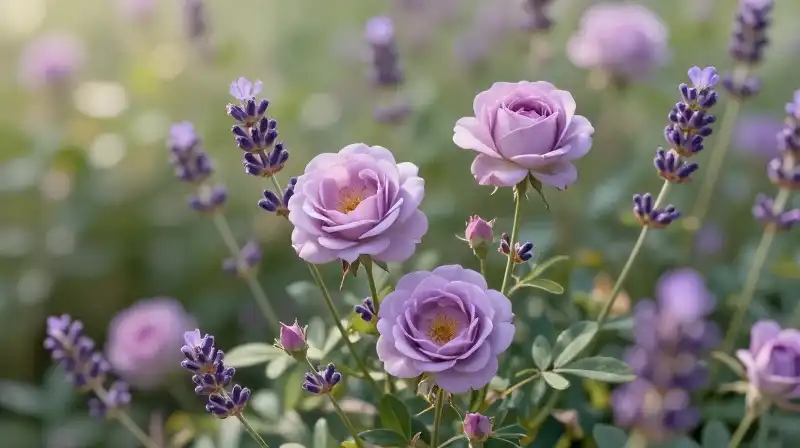
Lavender roses offer a unique blend of poetic mystique and refined aesthetic appeal. Characterized by delicate hues ranging from pale lilac to deep amethyst, these varieties are prized not only for their visual beauty but also for the pleasant fragrance they carry. Beyond their enchanting visual appeal, lavender roses symbolize positive transformation. Whether you are cultivating a sprawling garden or a small indoor collection, successfully growing these plants requires understanding both their diverse aesthetic forms and their specific care needs. This guide explores the captivating varieties available and provides a detailed, practical roadmap for ensuring your purple blooms thrive, even in limited spaces.
Choosing Your Perfect Lavender Rose Variety
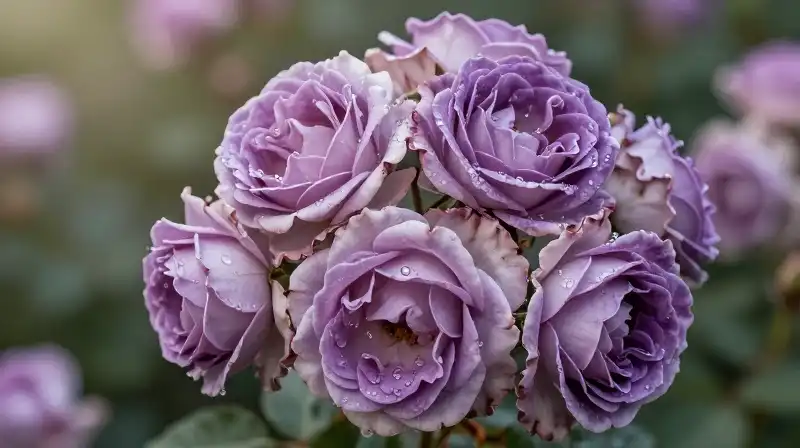
The lavender color spectrum is not monolithic; it encompasses a wide range of blues, mauves, and purples, each with distinct visual characteristics and applications. Before planting, selecting the right variety depends entirely on the intended use and the space available.
Different forms of lavender roses serve different purposes:
- Hybrid Tea and Grandiflora: These are ideal for formal arrangements and large floral centerpieces. Their high-centered blooms provide a refined, classic look, perfectly suited for dramatic, striking bouquets.
- Floribunda and Shrub Roses: These excel at filling spaces, creating lovely clusters of smaller blooms. They are perfect for forming posies or nosegays and are highly effective in establishing ground cover or in smaller, repeated plantings across a garden bed.
- Exhibition and Old-Fashioneds: Exhibition-style, high-centered roses offer a highly structured, classic silhouette for round bouquets and pomanders. Meanwhile, old-fashioned double blooms provide lush, ruffled petals, making them ideal for romantic, hand-tied arrangements.
- Unique Landscaping Options: Lavender tree roses add vertical elegance near entrances, while ground cover roses introduce graceful, cascading layers to rock walls or hanging baskets, bringing color to hardscapes.
When selecting a lavender rose, consider the specific shade—do you want a light, airy lavender tone, or a rich, deep purple? Modern specialized suppliers offer a wide array of these cultivars, allowing you to match the subtle variations of color and bloom size to your design needs.
Growing Lavender Roses in Container Gardens
While many enthusiasts dream of planting them in a large garden, lavender roses are equally successful and manageable in containers. However, success in confined spaces depends heavily on meticulous planning, especially regarding size and drainage.
To ensure a robust plant in a pot, follow these critical guidelines:
- Size and Depth: Do not choose small pots. For optimal health, containers must measure a minimum of two feet in width and two feet in depth. Larger volume provides the necessary stability and moisture retention for a vigorous rose.
- Pot Material and Drainage: Glazed ceramic or concrete containers are recommended for their durability. Regardless of the material, drainage is non-negotiable. Ensure the container has proper drainage holes to prevent the soil from becoming waterlogged.
- Soil Preparation: Use a high-quality organic potting mix, supplementing it with compost to enhance the soil’s ability to retain moisture. This mixture provides the essential nutrients and structure required by the rose.
- Initial Planting: When planting, take care to avoid applying granular or time-release fertilizers to the new potting soil, as this can damage the delicate root system and inhibit establishment.
Lavender Rose Care and Maintenance Schedule
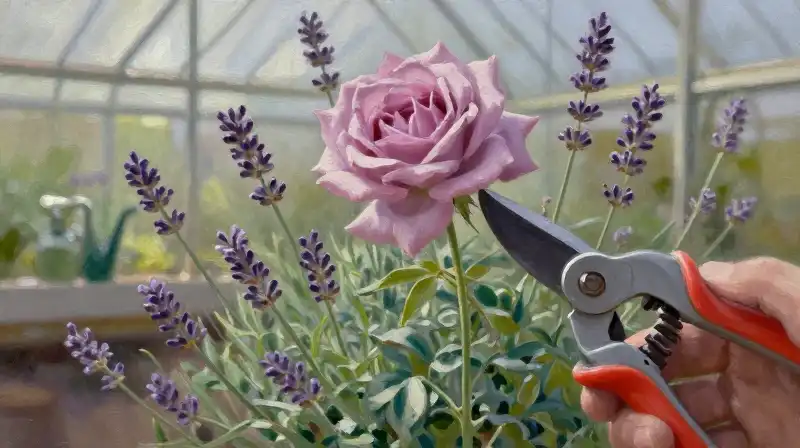
Successful cultivation relies on maintaining consistent environmental parameters and a structured feeding routine. These factors ensure the plants maintain the quality and durability necessary to perform well, even when transported or displayed.
Sun and Watering Protocols
Plant the rose in a location that receives full sun. Consistent exposure to sunlight is fundamental for successful cultivation in any container. Regarding moisture, roses require consistent watering to keep the soil evenly moist, but this must be balanced against the risk of overwatering. Err on the side of thorough soaking, followed by allowing the top layer of soil to dry slightly before applying water again.
Fertilization Timing
Fertilization should begin in the spring once you observe the onset of new growth. Establishing a feeding routine ensures continuous bloom production:
- Routine: Apply fertilizer after each major flush of blooms. Typically, this requires application every two to three weeks.
- Limitation: In cooler climates, discontinue all fertilization six to eight weeks before the first expected frost to allow the plant to harden off for winter.
Note that while container plants often dry out faster than garden plants, never let them completely desiccate, as this places significant stress on the root structure.
Lavender Roses in Special Events and Landscapes
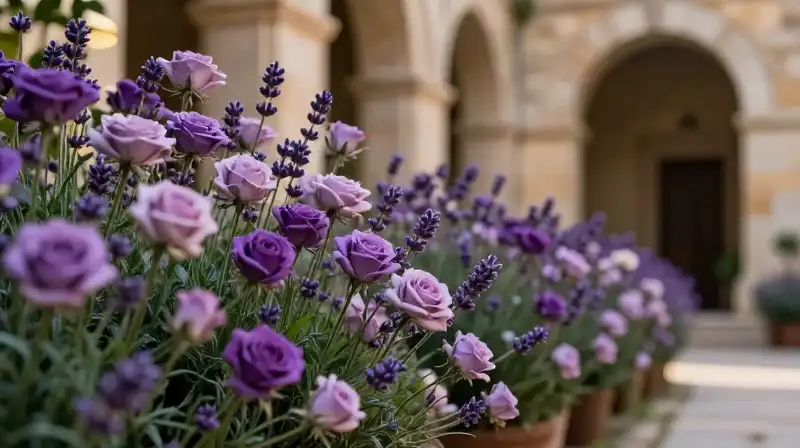
The aesthetic qualities of lavender roses make them indispensable in various professional applications. Their subtle hues and refined appearance elevate nearly any setting.
They are a popular choice in:
- Weddings: They are frequently selected for wedding arrangements and centerpieces, adding a touch of unique, poetic romance.
- Garden Design: Used as striking monochromatic displays, lavender roses can transform a garden. They are particularly effective when mixed with multi-hued plants or used to create highly focused, purple-toned landscapes.
- Architectural Enhancements: Tree and climbing varieties bring elegance to the entryways of homes, complementing stone or timber structures.
Ensuring Longevity: A Practical Checklist for Lavender Roses
To achieve the maximum aesthetic quality and durability from your lavender rose bushes, whether in a container or in the ground, focus on these three key areas:
- Drainage and Soil Health: Always prioritize substantial pot sizes and a highly porous, compost-rich mix. Poor drainage is the number one cause of root rot.
- Consistency of Care: Maintain a consistent watering and feeding schedule, adapting the schedule to the climate and the life cycle of the plant (e.g., reducing feeding near the first frost).
- Variety Matching: Determine if you need the structured formality of a Hybrid Tea, the dense coverage of a Floribunda, or the natural grace of a shrub, and select the variety from your preferred supplier to match your spatial limitations and design goals.
By aligning your cultivation technique with the specific needs of these beautiful, mystical purple varieties, you can successfully integrate lavender roses into your landscape or collection, creating an enduring source of color and charm.
How to Grow Lavender Roses
Select the Container
Do not choose small pots. For optimal health, containers must measure a minimum of two feet in width and two feet in depth.
Ensure Proper Pot Material and Drainage
Use durable materials like glazed ceramic or concrete, and ensure the container has proper drainage holes to prevent waterlogging.
Prepare the Soil
Use a high-quality organic potting mix, supplementing it with compost to enhance moisture retention and provide essential nutrients.
Plant the Rose
When planting, be sure to avoid applying granular or time-release fertilizers to the new soil, as this can damage the root system.
Set Up the Environment
Place the rose in a location that receives full sun consistent exposure is fundamental for successful cultivation.
Water Consistently
Maintain the soil evenly moist by thoroughly soaking the plant, followed by allowing the top layer of soil to dry slightly before watering again.
Begin Fertilization
Start feeding in the spring once new growth begins; apply fertilizer every two to three weeks after each major flush of blooms.
Harden Off the Plant
In cooler climates, discontinue all fertilization six to eight weeks before the first expected frost to allow the plant to harden off.
Related Articles