Growing Hot Lips Salvia: Cultivating a Hardy Pollinator Magnet

Introduction
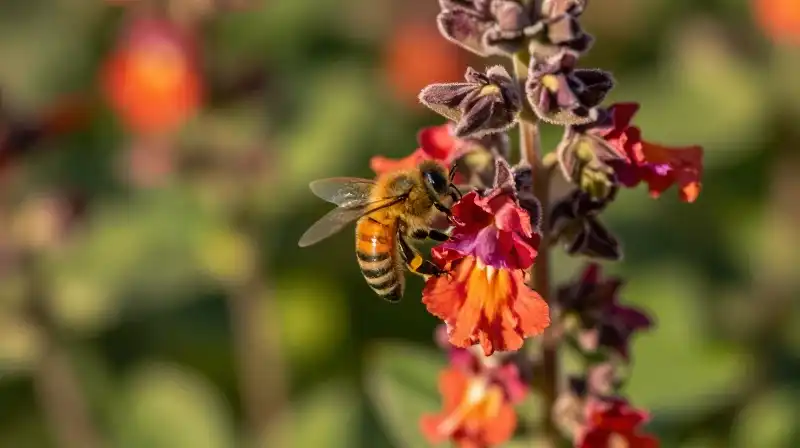
The Salvia cultivar ‘Hot Lips’ (Salvia hot lips plant) has become a favorite among gardeners seeking a low-maintenance plant with exceptional visual impact. Characterized by its striking tubular flowers—often displaying vibrant bicolor patterns ranging from red and white—this variety serves as a resilient and captivating addition to any landscape. Known for its striking appearance, which mimics lips, and its robust nature, ‘Hot Lips’ thrives in conditions that many other garden plants find too challenging.
If you are looking to integrate a dynamic, long-blooming shrub that can withstand dry conditions while simultaneously supporting local wildlife, growing Hot Lips Salvia is an excellent choice. This hardy shrub is designed for the discerning gardener who wants spectacular color with minimal daily upkeep, providing a burst of life from late spring through the first frost.
Ideal Growing Conditions for Resilience
Success with this variety hinges on providing conditions that align with its naturally xeric (drought-tolerant) and sun-loving heritage. Hot Lips Salvia is not adapted to constantly moist or overly rich environments; instead, it flourishes when its growing requirements are clear and defined.
Sun and Location:
- Full Sun is Crucial: To maintain its vibrant colors and encourage vigorous flowering, ‘Hot Lips’ needs at least six hours of direct sunlight daily.
- Soil Requirements: It requires well-drained soil. Sandy or rocky mixtures are ideal, as they allow excess moisture to pass through the root zone, preventing rot—a common pitfall for this species.
- Mature Size: Expect the plant to grow into a compact, bushy evergreen shrub, generally reaching a height and width of 2 to 3 feet.
Establishment and Early Care
Whether purchased as a mature plant or starting from a plug tray, initial establishment dictates long-term health. Hot Lips Salvia is resilient, but proper planting ensures it acclimates quickly to its environment.
Planting Tips:
- Preparation: Clear the chosen site of any weeds or debris, ensuring the soil structure is loose to aid drainage.
- Initial Watering: While highly drought-tolerant once established, young plants may require consistent watering during their first few weeks to help develop a strong, comprehensive root system.
- Post-Transplant Care: Use mulch around the base (avoid piling it directly against the stems) to help retain moisture and keep the roots cool during hot periods.
Long-term Maintenance and Blooming Cycles
The beauty of the Salvia ‘Hot Lips’ variety is its sustained performance, but it benefits from simple, targeted maintenance to maximize its longevity and flowering display.
Water and Drought Tolerance:
Once established, this plant is renowned for its tolerance to drought. Deep, infrequent watering is more effective than shallow, daily sprinkling. This encourages the plant to develop deep root systems, making it ideal for Mediterranean plantings and low-water xeriscapes. Excessive watering, however, is the primary enemy of this variety.
Deadheading for Continuous Color:
To maintain continuous flushes of blooms throughout its long flowering season—extending from late spring until the first hard frost—regular deadheading is recommended. Pinching off spent flowers redirects the plant’s energy away from seed production and back into producing more vibrant, fresh buds.
Note on Fragrance: The foliage of Hot Lips Salvia is aromatic. Crushing the leaves releases a minty herbal fragrance, which is a lovely sensory detail to appreciate, though it does not require specific handling.
Hot Lips Salvia as a Pollinator Magnet
Beyond its aesthetic appeal, the primary value of this plant lies in its ecological contribution. Hot Lips Salvia is classified as an excellent pollinator magnet, playing a vital role in local ecosystems.
Supporting Local Wildlife:
The plant’s tubular flower structure is specifically evolved to provide perfect access to nectar and support for various beneficial insects. You can expect to see hummingbirds drawn to its color-shifting blooms, as well as butterflies. This makes Hot Lips Salvia an attractive centerpiece for cottage gardens or ecological restoration projects, acting as a continuous source of support for the local insect and bird population.
Addressing Care Limitations and Potential Concerns
Even the most hardy plants have specific limitations or requirements that must be managed. Addressing potential concerns early on prevents common gardening errors.
| Concern | Detail and Guidance | Action to Take |
|---|---|---|
| Winter Care (Hot Lips Salvia Zone) | As an evergreen shrub native to the mountainous regions of Mexico and Arizona, its winter hardiness depends heavily on your local climate. In areas prone to extreme or prolonged freezing, protection may be needed. | Provide winter protection, such as burlap or mulching, if temperatures consistently drop below freezing. |
| Toxicity | Hot Lips Salvia is classified as non-toxic. | It is safe for children and pets, making it a versatile plant for common household and garden areas. |
| Growth Rate and Size | The variety exhibits rapid growth, potentially tripling in size quickly in its first growing season, reaching its mature height of 2 to 3 feet. | Ensure adequate space is available in perennial beds before planting, or consider smaller cultivars if space is strictly limited. |
Practical Considerations for Landscape Design
When deciding where and how to use the plant, consider its versatile placement and the specific aesthetic qualities it brings to a landscape.
Versatile Applications:
- Mixed Borders: It performs exceptionally well in mixed perennial beds, providing height and color.
- Xeriscapes: Its drought tolerance makes it a cornerstone plant for modern, water-efficient landscapes.
- Container Gardening: Its bushy nature allows it to perform well in medium to large pots, providing a striking focal point on a patio or terrace.
Quality Evaluation: When selecting a plant for purchase (Salvia hot lips plant for sale), check that the mature plant arrives with a developed root system, indicating it is ready to thrive and not just surviving. The vibrancy of the bicolor blooms should be uniform and striking before planting.
Cultivating a Stunning, Self-Sustaining Landscape
Hot Lips Salvia is designed to be a rewarding, low-input addition to your outdoor spaces. By prioritizing excellent drainage, providing full sun, and maintaining a flexible watering schedule that favors drought over excess moisture, you ensure the plant reaches its full potential.
The primary decision point for any gardener should be assessing their specific climate zone and water availability. If you have a well-drained, sandy area, you are perfectly situated to harness the resilience of this plant. By focusing on these care specifics, you will successfully grow a hardy shrub that consistently delivers a vibrant, unique floral display and serves as a highly effective, beautiful magnet for pollinators.
How to grow Salvia 'Hot Lips'
Prepare the planting site
Clear the chosen site of any weeds or debris and ensure the soil structure is loose to aid drainage.
Initial Establishment Watering
Young plants may require consistent watering during their first few weeks to help develop a strong, comprehensive root system.
Apply Post-Transplant Care
Use mulch around the base of the plant, avoiding piling it directly against the stems, to help retain moisture and keep the roots cool during hot periods.
Manage Long-Term Watering
Once established, use deep, infrequent watering rather than shallow, daily sprinkling, encouraging the plant to develop deep root systems.
Deadhead for Continuous Blooming
Regularly pinch off spent flowers (deadheading) to redirect the plant's energy back into producing vibrant, fresh buds and extending its blooming season.
Provide Winter Protection (if needed)
In areas prone to extreme or prolonged freezing, provide winter protection, such as burlap or mulching.
Related Articles