Hypericum Berries: Growing, Cultivation, and Expert Care Guide

Introduction
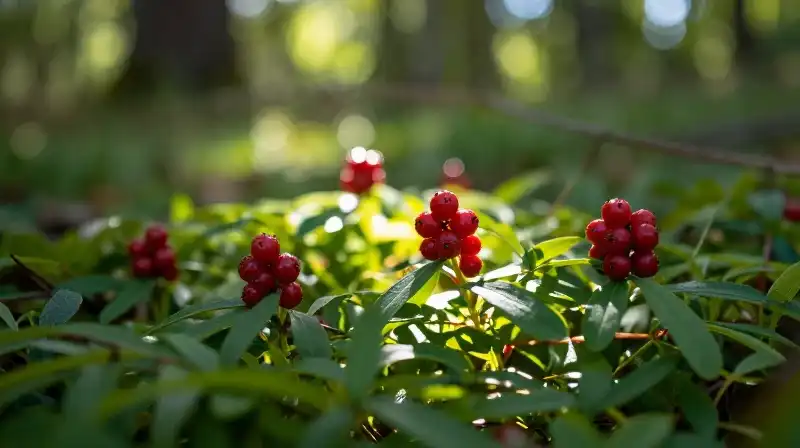
Hypericum berries are widely valued in the floral industry, particularly for enhancing DIY arrangements, bouquets, and centerpiece design. These clusters of berries offer a unique textural and color contrast to standard floral elements. For growers, understanding the specialized cultivation needs of Hypericum is key to achieving optimal plant health and maximizing harvest. Whether you are preparing for retail sales or a personal gardening project, this guide outlines the specific environmental requirements, advanced techniques, and crucial care steps necessary to successfully grow high-quality Hypericum.
The success of Hypericum depends on managing its specific hardiness and employing strategic cultivation methods. This guide moves beyond basic care to provide detailed insight into specialized cultivars and expert techniques like pinching, ensuring you can produce superior, robust plant material.
Growing Hypericum Berries: Hardiness and Environmental Needs
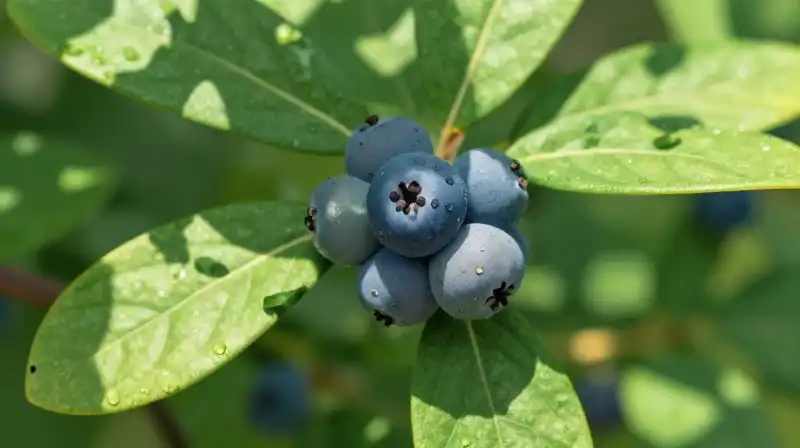
Hypericum is categorized as a hardy plant, but its successful growth is highly dependent on environmental considerations, particularly temperature and climate. The plant generally performs best in moderate climates and is typically suited for USDA hardiness zones 5 through 7. Within these zones, the plant is relatively resilient. However, growers must be prepared to provide protection in areas falling outside these recommended zones.
In specialized tropical environments, certain cultivars can be cultivated for optimal production, allowing for more consistent growth and unique fruit development. When managing a greenhouse or specialized garden, ensure your environment can accommodate the plant’s requirements to prevent unnecessary stress and maximize berry development.
Specialized Cultivars for Commercial Excellence
Modern breeding has developed several specialized series of Hypericum to meet specific needs in the commercial and ornamental markets. Choosing the correct cultivar is the first decision in ensuring successful yield and quality.
- The BRISK™ Series: These cultivars are noted for their exceptional resistance to common horticultural problems, specifically rust and root nematodes. This makes them highly desirable for robust, maintenance-light production.
- The GLOBO™ Series: This series is engineered to broaden the available color range while maintaining vital disease resistance against rust and nematodes. A key distinction of GLOBO™ varieties is their fruit structure; they tend to produce berries that are notably plumper and possess a more consistently round shape compared to standard Hypericum varieties.
- Tropical Varieties: Specialized Hypericum are bred for tropical conditions, yielding consistent results in frost-free settings and offering unique growing advantages compared to standard temperate strains.
Advanced Cultivation Techniques and Plant Shaping
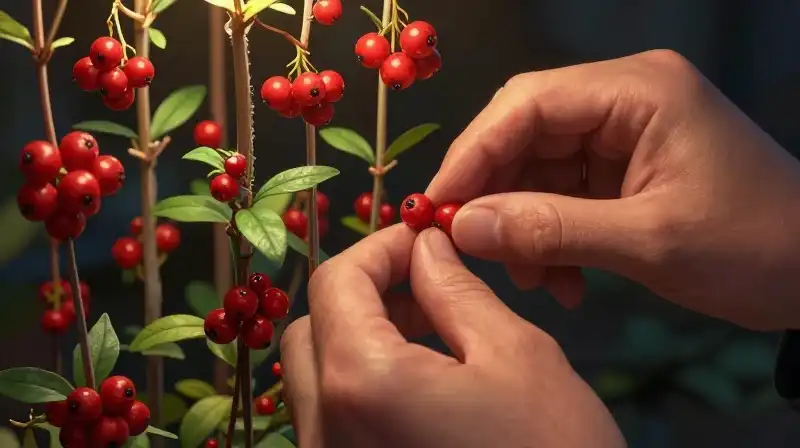
Hypericum plants can be grown naturally, but specific cultivation techniques allow growers to influence the plant’s structure, density, and overall commercial appeal. Mastering these techniques is how many commercial growers achieve the desired “spray-type” stems that are popular in floral design.
Pinching and Disbudding for Enhanced Growth
One effective technique involves pinching or disbudding. This practice involves selectively removing growing points or trimming the tips of new growth. This intervention encourages the development of side branches and dense spray-type stems. By strategically thinning out competition for energy, you encourage the plant to put its focus into producing abundant, vibrant berries on multiple stems rather than one central stalk.
While most varieties can be allowed to develop naturally into their typical stem form, the pinching and disbudding method allows for a more controlled, compact, and visually interesting aesthetic, which often translates to higher market value in the floral industry.
Essential Care and Overwinter Survival Strategies

Proper care during the active growing season is essential for a strong harvest. However, managing overwintering presents unique challenges, especially for plants outside of optimal climate zones.
Most Hypericum varieties require specific climate management and care when temperatures drop significantly. Yet, some resilient cultivars have demonstrated an ability to overwinter successfully, provided they are protected from the elements. One of the most effective natural survival methods involves allowing the plants to be covered by heavy snow, which acts as an insulating layer, shielding the foliage and root system from extreme freezing temperatures.
In high-risk cold climates, standard winter protocols typically involve:
- Moving sensitive plants to sheltered locations.
- Ensuring soil remains well-drained to prevent root damage during periods of fluctuating moisture and cold.
- Monitoring for early frost, which can damage or kill the foliage even if the roots survive.
Addressing Common Hypericum Queries
Many buyers and new gardeners have specific questions regarding the use and safety of Hypericum. The answers often depend on whether the plant is being used for floral decoration or culinary purposes.
Hypericum Berry Safety and Edibility
It is critical to understand the safety profile of the berry. While the plant is a staple of floral design, it is widely cited that the berry itself is not typically used as a culinary item. Any consumer interest in the edibility of Hypericum must be handled with extreme caution. Growers should advise that the Hypericum berry is generally not considered edible and that any consumption should be researched thoroughly to ensure safety.
Vase Life and Use
In the context of floral design, the longevity of Hypericum berries is a vital consideration. While the specific “Vase Life” can vary based on water quality, temperature, and how well the stem is conditioned, they are known for their durability and ability to hold their structure well in arrangements, making them a reliable component for long-lasting centerpieces.
Availability and Reproduction
Hypericum berries are widely available for bulk purchase, especially for commercial clients who require large quantities for floral processing. Furthermore, while seeds are technically produced by the plant, for horticultural purposes and achieving specific characteristics, vegetative propagation is often the preferred and more reliable method for growers to maintain the desired traits of series like GLOBO™ or BRISK™.
Practical Considerations for Quality and Selection
Before deciding on a variety or purchase, growers should evaluate their specific needs against the capabilities of the available cultivars. If high disease resistance is the primary goal, the BRISK™ series is a strong choice. Conversely, if the primary goal is vibrant color diversity and perfectly rounded fruits, the GLOBO™ series is engineered to meet that expectation. The decision between natural growth versus specialized shaping should be based on whether the final product is intended for a rustic, natural display or a highly stylized, professional floral arrangement.
A successful Hypericum cultivation strategy requires a balance of genetic selection (choosing the right cultivar) and hands-on horticultural effort (applying pinching and appropriate climate protection). By addressing the environmental limitations and specialized techniques, growers can confidently produce Hypericum berries that meet both aesthetic and commercial standards.
How to Overwinter Hypericum Berries in High-Risk Cold Climates
Relocate Sensitive Plants
Move sensitive plants to sheltered locations to protect them from severe freezing temperatures.
Ensure Proper Drainage
Ensure soil remains well-drained to prevent root damage during periods of fluctuating moisture and cold.
Monitor Frost Levels
Monitor for early frost, which can damage or kill the foliage even if the roots survive the winter.
Related Articles