Yellow Daisy Guide: Vase Life, Sourcing, and Event Application

Introduction
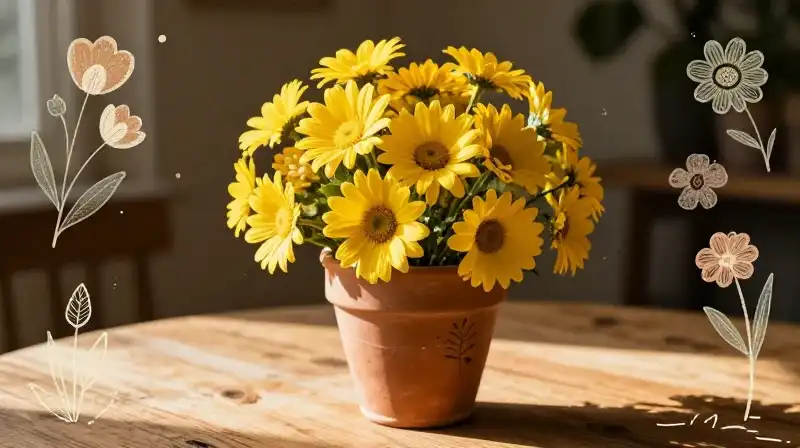
Yellow daisies are highly versatile and bright floral choices, valued for their fresh, cheerful appearance and subtle scent. If you are planning a wedding, a seasonal display, or simply need vibrant filler for an arrangement, understanding the practical aspects of sourcing, care, and symbolic meaning is essential. This guide provides specific, actionable insights into selecting and maintaining yellow daisies, ensuring you can use this reliable and symbolic flower effectively for your project.
Sourcing and Wholesale Logistics
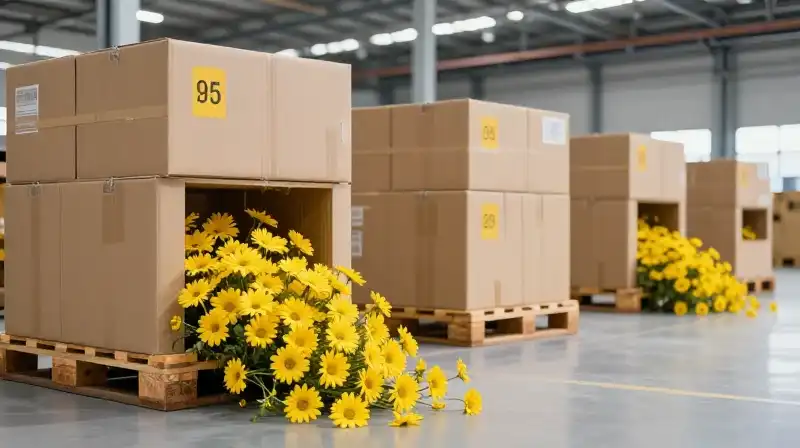 For commercial use, event planning, and wholesale purchasing, knowing the typical floral specifications is key to managing expectations and securing high-quality product. Because these flowers are available for year-round purchase, consistency in sourcing is reliable.
When procuring yellow daisies, buyers should be aware of the following general metrics:
- Stem Length: Stems typically average between 20 and 27 inches, providing substantial height for most arrangements.
- Stem Density: Individual stems usually feature a spray of five to seven blooms, offering a good floral presence.
- Bunch Size: A standard wholesale bunch contains five to eight stems, allowing for scalable orders.
Logistics and Delivery Requirements
Proper delivery timing is crucial for maintaining the integrity of your order. Due to the inherent fragility of the blooms during transport, logistics recommend that delivery occur three days prior to the scheduled event. This buffer ensures the flowers arrive in optimal condition. It is also important to note that the loss of a single bloom during shipping is considered a normal, expected occurrence due to the nature of transit.
Vase Life and Optimal Care
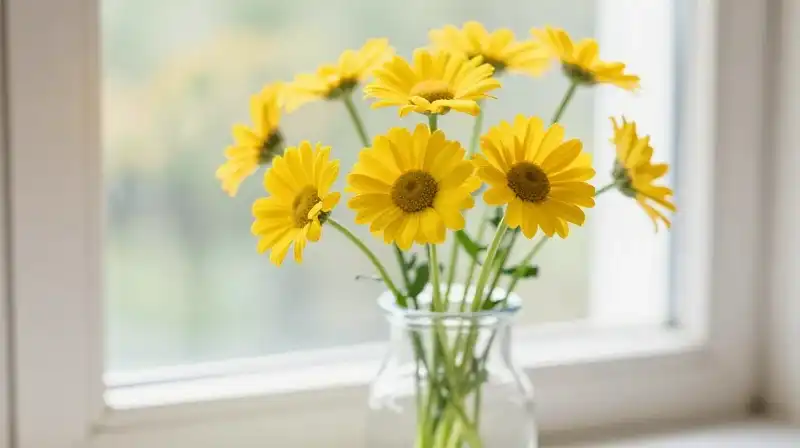 The anticipated vase life for properly maintained yellow daisies is a minimum of eight days. Achieving this longevity requires consistent attention to hydration and environment.
To maximize the lifespan of your yellow daisy bouquet:
- Water Quality: Always use fresh, cool water and ensure stems are cut at a 45-degree angle before placement.
- Environmental Control: Keep arrangements away from direct sunlight, drafts, and heat sources, as excessive warmth can accelerate wilting.
- Maintenance: Change the water every two days and occasionally trim any stems that show signs of yellowing or drying.
Understanding Varieties and Visual Characteristics
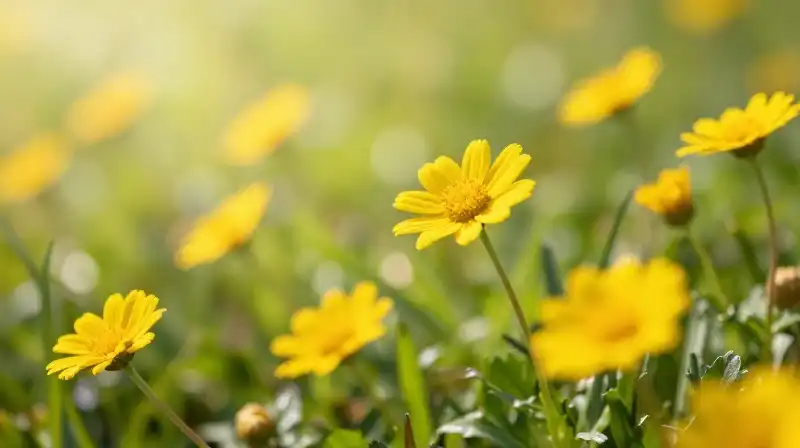 Yellow daisies are not uniform in their appearance. Variation exists in color, structure, and characteristics, which dictates their suitability for specific design aesthetics.
Different varieties offer distinct visual impacts:
| Feature | Description | Design Implication |
|---|---|---|
| Bloom Centers | Color can range from bright yellow to light green, or display dramatic shifts to burgundy-brown and black. | Use black or deep-toned centers for high contrast or dramatic, modern arrangements. |
| Scent Profile | Possesses a light, fresh fragrance, often described as mildly sweet or reminiscent of greenery. | Suitable for intimate or sensory-focused settings. |
| Durability | Heat-tolerant, allowing for sustained blooms across various climates. | Ideal for outdoor or warm-weather events. |
Symbolism and Event Application
The yellow daisy is frequently chosen not just for its vibrant color, but for the strong positive symbolism it represents. The flowers are widely regarded as symbols of purity, innocence, and new beginnings. This makes them an excellent choice for several types of events and decor.
Common applications include:
- Springtime Bouquets: The cheerful yellow hue perfectly captures the renewal and brightness of spring.
- Countryside Arrangements: Their robust and slightly rustic appearance makes them ideal for rustic, natural, or country-themed decor.
- Wedding Décor: Symbolizing new beginnings, they are frequently used in bridal bouquets and venue accents.
Addressing Related Search Concerns
 Users often look for specific types of these flowers or deeper meanings. Beyond the general symbolism, variations like “Yellow daisy black center” offer a more dramatic focal point for interior design. Additionally, while fictional references (like those in popular media) sometimes popularize specific cultivars, the actual physical properties of the commercially available yellow daisy remain stable, offering reliable performance in real-world events.
Synthesis: Choosing the Right Yellow Daisy for Your Needs
Selecting yellow daisies requires balancing aesthetic preference with practical logistics. If your priority is a highly vibrant, cheerful, and reliable bloom, the standard yellow daisy excels, offering robust longevity and a clear meaning of new beginnings. If the intended design requires depth, opt for varieties exhibiting the burgundy-brown or black bloom centers to introduce contrast. Always factor in the 3-day lead time when scheduling deliveries, regardless of the event date, to guarantee maximum bloom quality. By understanding these specifications—from stem length to expected longevity—you can use yellow daisies confidently in any setting.
Explore more: Celtic Symbols for Brotherhood: Meanings and Interpretations
How to Maximize the Lifespan of a Yellow Daisy Bouquet
Prepare the Stems
Always use fresh, cool water and ensure stems are cut at a 45-degree angle before placement.
Control the Environment
Keep arrangements away from direct sunlight, drafts, and heat sources, as excessive warmth can accelerate wilting.
Perform Maintenance
Change the water every two days and occasionally trim any stems that show signs of yellowing or drying.
Related Articles