Cultivating Tulipa Double: Tips for Stunning Late Bloomers

Introduction
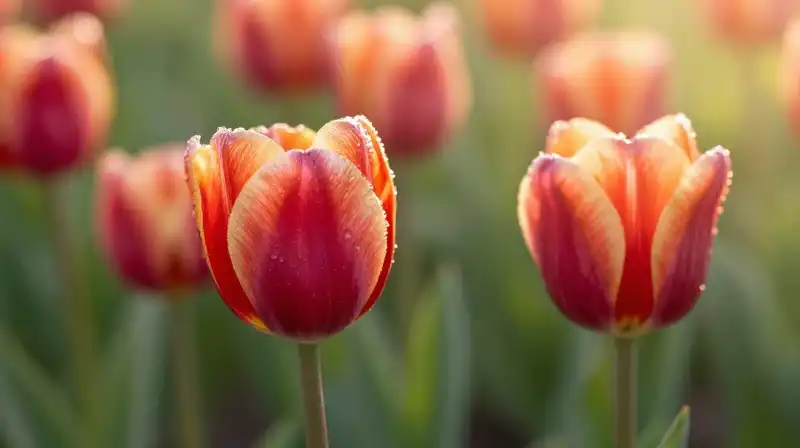
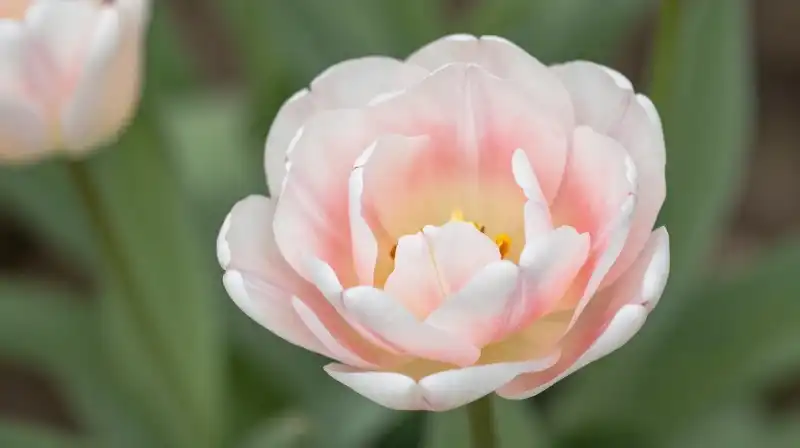
Tulipa double varieties offer a magnificent spectacle in the garden, transforming the classic tulip form into a lush, voluminous, and often multi-layered bloom. Unlike their standard cup-shaped counterparts, double tulips—including popular selections like ‘Double Sugar’ or ‘Finola double tulip’—possess densely packed petals, resulting in a sophisticated, full-bodied appearance often reminiscent of a peony. They are highly sought after for their “romantic” aesthetic and their ability to provide late-season color, making them ideal focal points for spring and early summer displays.
Cultivating these specialized plants requires a specific understanding of their unique traits, particularly their blooming schedule and growth requirements. To successfully grow stunning tulips, it is essential to select the correct variety for your climate, ensure appropriate soil conditions, and understand the nuances of their late-blooming nature.
The Unique Growth Profile of Tulipa Double
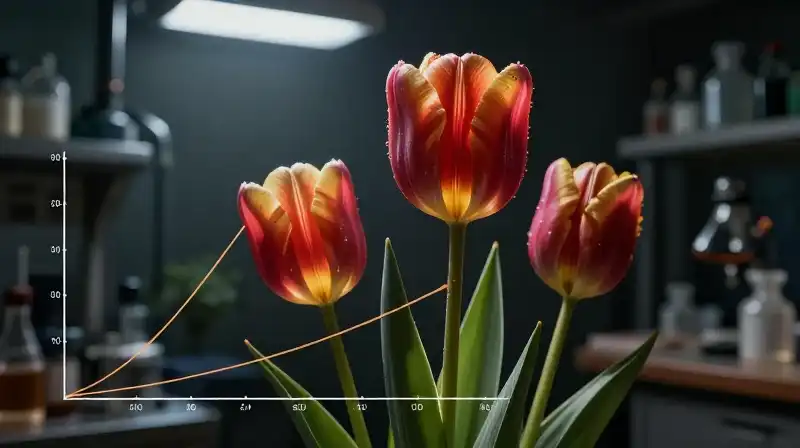
Understanding what sets a tulipa double apart from other tulip types is the first step in successful cultivation. While all tulips require careful planning, double bloomers possess unique genetic characteristics that define their growth cycle and visual appeal.
These varieties are typically categorized as late bloomers. This designation means they generally unfurl their massive, multi-petaled flowers after many other spring bulbs. In climates with distinct seasonal changes, this timing is critical for planners looking to extend their color palette. Their petals are not merely doubled; they are highly developed, creating a rounded, lush shape that provides incredible visual density. This “double bloom” characteristic distinguishes them from standard species tulips, which remain more linear and often less voluminous.
Cultivating for Volume: Planting and Care
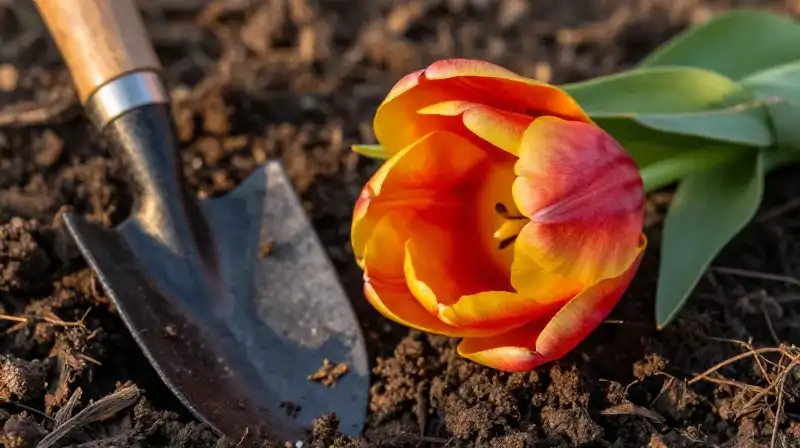
Optimal performance from your Tulipa double begins before the bulbs are even placed in the ground. To ensure your “double tulips for sale” are healthy and thrive, adhere to these practical care principles:
- Choosing the Right Timing: For the best performance, plant Tulipa double bulbs in the autumn. This allows them sufficient time to establish robust roots before they need to produce large, intricate flowers.
- Soil Preparation: These bulbs prefer well-draining soil. While some varieties are adaptable, many thrive when planted in soil rich in organic matter but not waterlogged. Ensure the soil is loosened before planting to facilitate strong root development.
- Light Requirements: Like most tulips, double bloomers require full sunlight to achieve their full, robust stature. Partial shade can lead to weaker stems and smaller, less developed blooms.
- Water and Nutrition: During the early growing season, consistent watering is important. However, avoid overwatering, which can lead to root rot. Feeding the bulbs with a balanced, slow-release fertilizer during the growing phase helps support the energy required for their massive, lush flower production.
Selecting the Perfect Variety: Buying and Assessing
Because the term “tulipa double” covers a wide range of highly bred hybrids, careful selection is necessary. Different varieties offer different aesthetics and suitability for various garden scenarios. When purchasing “Double Shake tulip” or “Finola double tulip,” consider the following decision criteria:
| Criteria | Observation | Why It Matters | | --- | --- | --- | --- | --- | --- | --- | --- | --- | | Bloom Time | Late Bloom Designation | Ensures the flower matures and opens significantly later than standard spring blooms, extending the season. | Growth Habit | Bulb Structure | Determines whether the flower will be more upright and defined or more mounded and voluminous. | Petal Density | Double/Late characteristics | Determines the final visual impact; very high density results in the peony-like, highly ornamental form. |
If you are planning a large garden display, it is beneficial to employ varieties from several hybrid types to ensure a steady flow of interest, utilizing both the early, mid, and late bloomers in rotation. This ensures that the visual impact of the garden is sustained throughout the season.
Managing Expectations and Success

While double tulips are spectacular, they are sophisticated plants that have specific requirements and limits. It is important to approach their cultivation with realistic expectations.
Addressing the Perennial Limit: Unlike some robust, multi-year tulips, not all highly bred double varieties are reliably perennial in the same manner as classic species tulips. Many modern hybrids are specifically bred for their dramatic bloom in one cycle and may require re-planting or replacement every few years to maintain the highest levels of performance. Do not assume that a double bulb will provide the same magnificent bloom indefinitely.
Environmental Adaptation: The genetic background of the tulips is historically adapted to diverse, specialized climates. When growing Tulipa double in non-native climates, successful cultivation requires mimicking those ideal conditions. Paying attention to temperature dips and the specific dormancy cycles they require—often during dry, cool periods—prevents early stress and ensures the energy is channeled into developing rich, full blooms.
Practical Synthesis for Garden Planning
To maximize the success of your Tulipa double garden, focus on three main pillars: selection, soil health, and strategic placement. Choose hybrid types that specifically cater to your desired bloom timing to create a sustained display. Prioritize deep, well-draining organic soil that supports the heavy feeding requirements of these voluminous blooms. By respecting their specialized nature—understanding that their late bloom is a trait, not just a suggestion, and that they require specific, rich conditions to reach their full “double” potential—you ensure the investment yields a truly spectacular and enduring display.
Explore more: Traditional Día de los Muertos: Symbols, History, and Custom
How to Cultivate Tulipa Double Bulbs
Choose Planting Timing
To ensure the best performance, plant Tulipa double bulbs in the autumn to allow them sufficient time to establish robust roots.
Prepare the Soil
Prepare the planting area by loosening the soil, ensuring it is well-draining, and enriching it with organic matter.
Ensure Light Exposure
Provide the plants with full sunlight, as partial shade may result in weaker stems and smaller, less developed blooms.
Provide Watering and Nutrition
During the early growing season, maintain consistent watering while avoiding overwatering. Feed the bulbs with a balanced, slow-release fertilizer to support flower production.
Related Articles