Prostrate Rosemary Guide: Growing Succulent Groundcover


Introduction
For gardeners seeking low-maintenance, drought-tolerant greenery, Prostrate Rosemary offers a unique blend of resilience and aromatic beauty. Often confused with traditional, upright rosemary, this specific variety, scientifically known as Salvia rosmarinus, is specifically bred to exhibit a low, spreading, and trailing growth habit. Unlike common rosemary bushes, Prostrate Rosemary excels as a versatile groundcover, ideal for stabilizing dry slopes or filling rocky areas. If your goal is a dense evergreen blanket that thrives in heat and sun, understanding the specific needs of this “creeping” variety is essential for its success.
Defining the Prostrate Difference: Form and Identity
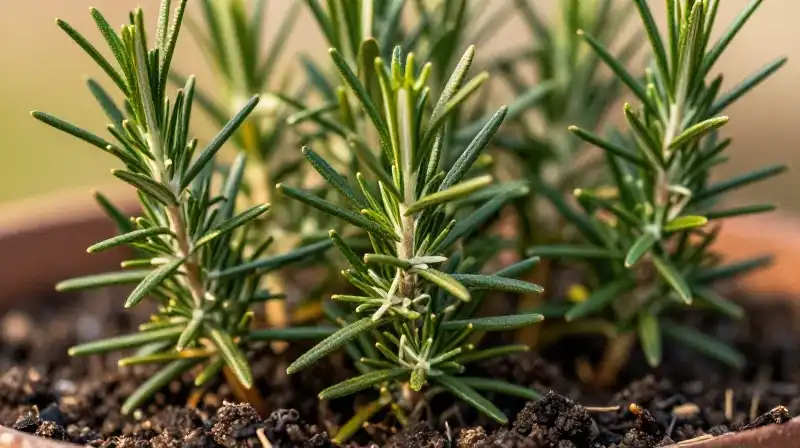
The plant formerly known as Rosmarinus officinalis has been taxonomically reclassified as Salvia rosmarinus. While the common name has remained consistent, this scientific shift emphasizes the plant’s true botanical relationship. Prostrate rosemary is defined by its commitment to a sprawling form; rather than growing vertically into a bushy shrub, it spreads horizontally across the landscape, often reaching 2–3 feet wide while remaining relatively low. This distinct shape makes it a premier choice for use as wall cascades or living mulch in rock gardens.
Crucially, Prostrate Rosemary possesses dense evergreen foliage and distinctive needle-like leaves. Its robust, resinous fragrance is a characteristic that provides natural pest deterrence, even though the plant is non-toxic to common household pets.
Growing Conditions: The Mediterranean Approach
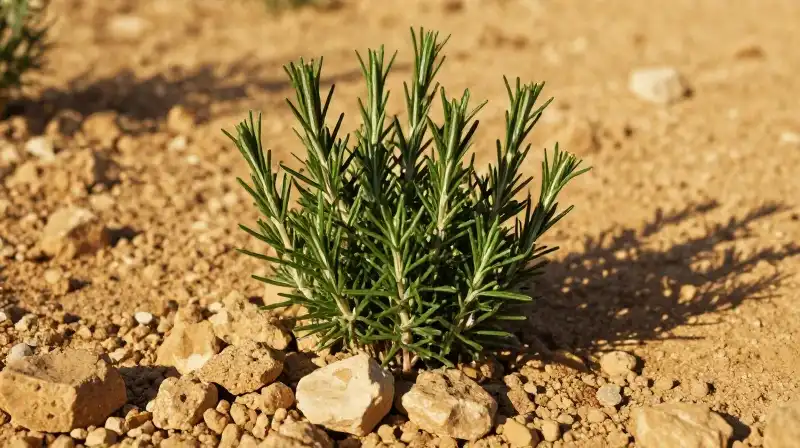
To achieve optimal vigor and the characteristic dense growth, Prostrate Rosemary requires conditions that emulate Mediterranean climates. It is highly tolerant of challenging environments, including high heat, coastal air, and windy locations, provided its drainage is flawless.
Sun and Soil Requirements
This plant needs at least 6 hours of direct sunlight daily to reach its full growth potential and maximize its fragrance. It prefers lean, well-drained soil. Rich, overly fertile soil can actually inhibit the plant’s natural density and reduce the intensity of its aromatic oils, so incorporating sand or perlite to ensure excellent porosity is advisable.
Watering and Drainage Protocols
Overwatering is the most common cause of plant failure, leading to root rot. Prostrate Rosemary is exceptionally drought-tolerant once established. For mature specimens, watering should be deep and infrequent. Allow the top few inches of soil to dry completely between waterings to discourage fungal issues and encourage the root system to become even more drought-resistant.
Maintenance Guide: Pruning, Fertilizing, and Care
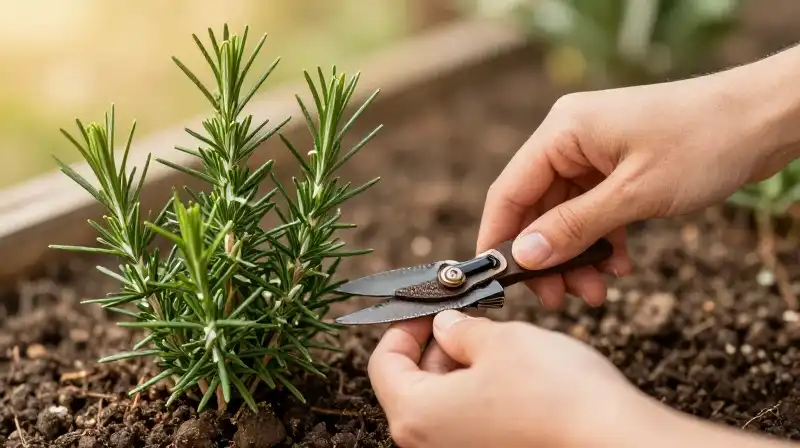
Prostrate Rosemary is categorized as a low-maintenance plant, and generally requires little intervention. However, proper care ensures it maintains its sprawling habit rather than attempting to grow into an uncontrolled mass.
- Pruning: Generally, regular pruning is not necessary unless the plant requires shaping. If you wish to maintain a specific height or form, a light trim is sufficient. If the plant has completed its blooming cycle, pruning can be done to encourage bushier growth.
- Fertilizer: Minimal to no fertilizer is recommended. The lean soil it prefers mimics its natural environment and supports its natural fragrance and density. Over-fertilizing can lead to lush, weak growth that sacrifices aromatic quality.
- Tolerances: Its natural ability to knit together hardscape elements makes it excellent for stabilizing dry, sloped, or rocky ground.
Prostrate vs. Standard Rosemary: Clarifying the Form
A common point of confusion is differentiating Prostrate Rosemary from the more conventional upright rosemary shrub. While both share the same genetic background, their cultivation paths and ideal uses differ greatly:
| Feature | Prostrate Rosemary | Standard Rosemary Shrub |
|---|---|---|
| Growth Habit | Low, spreading, trailing, prostrate | Upright, woody, conical shrub |
| Primary Use | Groundcover, wall cascades, slope stabilization | Hedge, container plant, ornamental shrub |
| Pruning Need | Low; maintains sprawl | Regular pruning required to maintain shape |
Addressing Your Planting Queries
Is Prostrate Rosemary a perennial or annual?
Prostrate Rosemary is a perennial. This means that if the plant is successfully established, it will continue to live and grow year after year, returning even after periods of dormancy, provided it is not subjected to severe frost or extreme environmental conditions.
Prostrate Rosemary for Containers
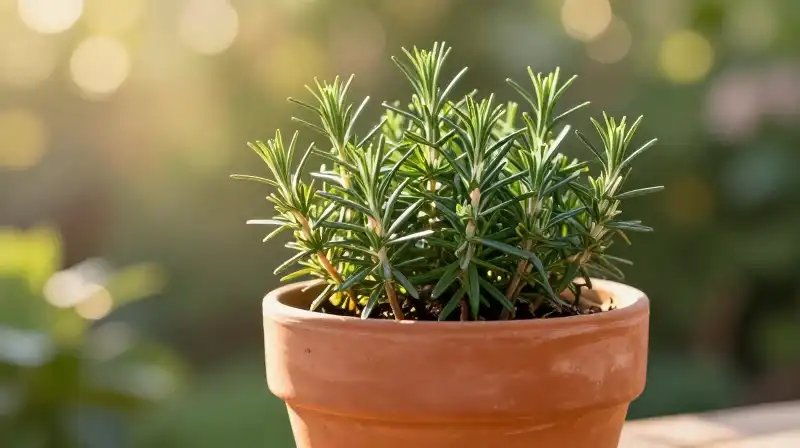
When cultivated in appropriate containers, Prostrate Rosemary displays its trailing nature wonderfully. Containers allow you precise control over soil quality and watering, which is particularly useful for protecting it from typical garden root rot issues. Ensure containers have excellent drainage holes.
Practical Guide to a Successful Spread
Success with Prostrate Rosemary hinges on respecting its inherent need for intense sun and excellent drainage. The plant is naturally vigorous, and if you allow it to spread unchecked, it can eventually cover a substantial area. To optimize your planting strategy, view Prostrate Rosemary not just as a plant, but as a living piece of hardscape. Use it where robust, low-growing, highly aromatic greenery is needed without the fuss of consistent moisture.
Explore more: Dia de los Muertos Skull Designs: Symbols and Artistic Inspi
Frequently Asked Questions
Is Prostrate Rosemary a perennial or annual?
Prostrate Rosemary is categorized as a perennial. If successfully established, the plant will continue to live and grow year after year, returning even after periods of dormancy, provided it is not exposed to severe frost or extreme environmental conditions.
How to Successfully Grow Prostrate Rosemary
Ensure proper sunlight exposure
Place Prostrate Rosemary where it will receive at least 6 hours of direct sunlight daily to maximize its fragrance and growth potential.
Prepare ideal soil conditions
Use lean, well-drained soil and incorporate sand or perlite to ensure excellent porosity, preventing root rot.
Follow deep watering protocols
Water deep and infrequently once established, allowing the top few inches of soil to dry completely between waterings.
Limit fertilizer application
Use minimal or no fertilizer, as the plant thrives in its natural lean soil which supports its aroma.
Maintain form through minimal pruning
Prune lightly only if shaping is required or if the plant has completed its blooming cycle, to encourage a bushier sprawl.
Related Articles