When Are Cherries in Season? Your Guide to US Harvest

Introduction
>Determining when cherries are in season depends heavily on geography and the specific variety, but generally, you can expect fresh sweet cherries to be available across the United States from late spring through mid-August. The season is highly localized, with early-maturing cultivars leading to harvests as early as April in certain regions, while cooler climates extend the peak well into the late summer. Understanding these regional differences is key to catching the freshest, most flavorful cherries. > >The industry is characterized by a relatively short, high-demand harvest window. Because cherries do not ripen significantly after picking, timing your purchase based on the specific region you are in—whether you are looking for the early start of California or the extended harvest of the Pacific Northwest—is essential.
The Variable Timeline: A Regional Harvest Guide
 >The standard cherry season runs from late spring through mid-August, but the exact timing shifts dramatically based on the climate and agricultural specialization of the state. To find cherries near you, it is helpful to know the regional specialization.
Early Bloom: Southern and Western States
>Southern California and the Western regions are known for providing one of the earliest harvests. Due to their climate, these areas can begin producing cherries in late April and May. This early start makes them a prime source for those who want the first taste of the season.
Peak Season: Central and Southern Regions
>The mid-season peak, generally running from late May through mid-June, is a widespread period. This timeframe often encompasses the peak sweet variety harvest across the industry. For example, Michigan is a key producer, specializing in tart cherries during this period (late June through July).
Extended Harvest: Cool and Northern Climates
>In contrast, cooler climates such as the Pacific Northwest and New England tend to delay their fruiting season. Cherries from these regions often extend the season well into July or even later, capitalizing on a longer, more gradual ripening period suitable for different varietals.
Sweet vs. Sour: Understanding Cherry Varieties
>Not all cherries are the same, and choosing the correct variety dictates both flavor and how you plan to use them.
Sweet Cherries
>Sweet varieties are primarily favored for fresh consumption. They are typically large, brightly colored, and possess a high sugar content, making them ideal for eating straight off the stem. They are the typical focus of the peak summer market.
Tart/Sour Cherries
>Sour or tart varieties are distinct from the sweet table cherry. Due to their strong flavor profile, these are usually designated for preserves, jams, pies, and baking. They maintain a high acidity that balances sweetness in cooked applications.
How to Spot the Best Cherries in Season
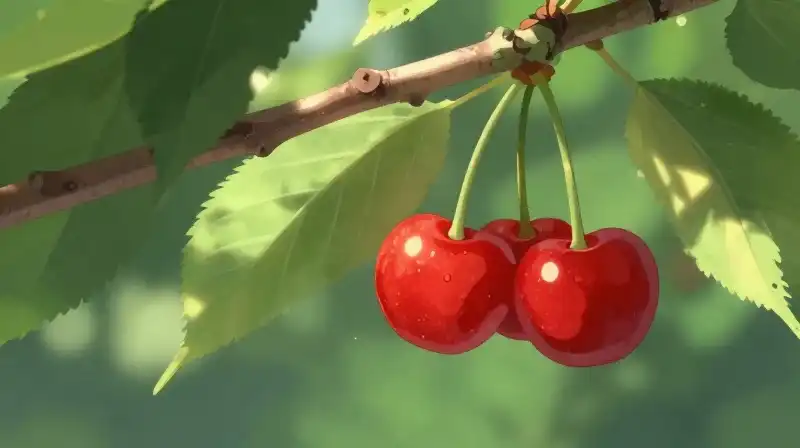 >Since the quality of a cherry is determined at the moment of harvest, proper selection ensures maximum flavor. Cherries are at their peak when they exhibit specific physical characteristics.
Harvest Criteria for Optimal Flavor
>Avoid picking cherries that appear dull, bruised, or prematurely soft. For peak flavor, look for:
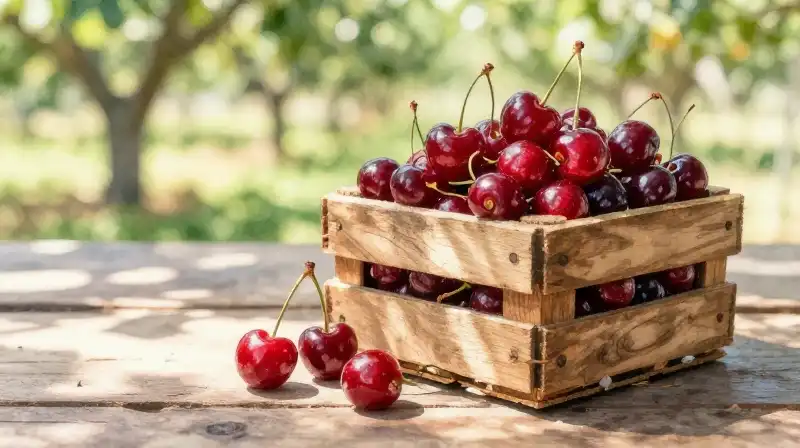
- Full Color: The cherries should display their deepest, most vibrant hue, indicating they have achieved full pigment.
- Firm Texture: They should be plump and firm to the touch. Cherries continue to ripen and soften quickly after being picked, so firm equals peak freshness.
- No Internal Rot: Inspect the stem and the fruit for any signs of mold or decay.
Beyond the Harvest: Storing and Preserving Cherries
 >When the season ends or if you harvest more than you can consume immediately, preservation allows you to enjoy cherries year-round.
Short-Term Storage
>For short-term use, cherries can be stored in the refrigerator. While this allows for consumption up to approximately one week, monitor them closely for softening.
Long-Term Solutions
>If you are looking for cherries outside of their current peak season, the industry relies on preparation methods:
- Freezing: This is the most common method, preserving the flavor for later baking or blending.
- Drying: Good for making snacks, this concentrates the natural sweetness.
- Canning: Suitable for making sauces and preserves.
Navigating Local Availability and Trade Markets
 >For consumers seeking guidance on where to buy cherries out of season or when finding a specific local supplier, understanding the market scale is helpful. The U.S. industry, led by entities like the California Cherry Board, actively manages both domestic supply and global export. While export efforts target key regions like Asia-Pacific, Europe, and North America, the local availability you experience is a reflection of regional climate zones and specialized growing practices.
Summary: Practical Guidance for the Cherries Season
>To maximize your chances of finding the perfect cherries, prioritize location and variety. If you are looking for the earliest start, focus on California. If you need tart cherries for baking, target Michigan during the mid-season peak. Always select fruit that is fully colored, firm, and plump. By understanding these regional variations and quality indicators, you can confidently track the cherry season no matter where you are located in the United States.
How to Spot the Best Cherries in Season
Check for signs of damage
Avoid picking cherries that appear dull, bruised, or prematurely soft.
Verify Full Color
The cherries should display their deepest, most vibrant hue, indicating they have achieved full pigment.
Ensure Firm Texture
They should be plump and firm to the touch, as cherries soften quickly after picking.
Inspect for Internal Rot
Inspect the stem and the fruit carefully for any signs of mold or decay.
Related Articles