Mimulus Aurantiacus: Care Guide for Sticky Monkeyflower

Introduction
Mimulus aurantiacus, commonly known as Sticky Monkeyflower, is a compact, drought-tolerant shrub that thrives in the warm, arid landscapes of Southwestern North America. If you are planning to cultivate this native plant, understanding its specific environmental tolerances is crucial, particularly regarding water management. This plant is ideally suited for gardeners seeking a vibrant, low-maintenance presence that requires excellent drainage and sun exposure.
This guide outlines the essential requirements for successfully growing *Mimulus aurantiacus*, focusing on achieving long-term health and maximizing its striking seasonal displays.
Native Habitat and Climate Resilience
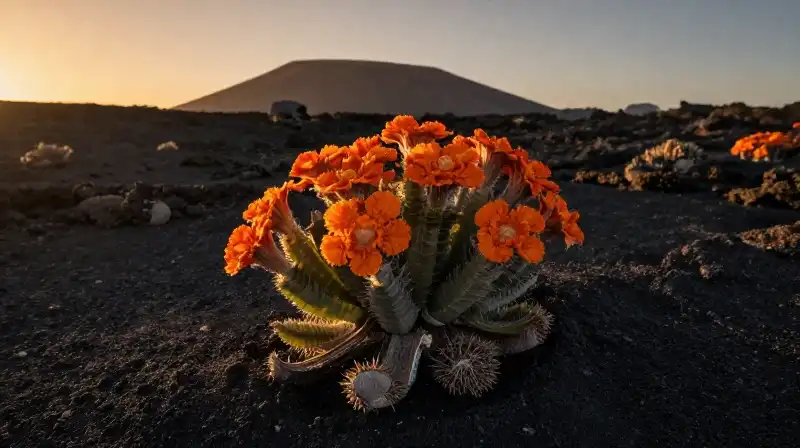
Originating primarily from southwestern Oregon and stretching through most of California, *Mimulus aurantiacus* is naturally adapted to harsh, dry conditions. It is generally considered a robust and cold-hardy shrub, allowing it to tolerate temperatures as low as 12 to 15 degrees F. This resilience makes it suitable for many temperate and Mediterranean climates, provided the soil remains well-drained throughout the winter months to prevent root rot.
In its native range, the plant typically establishes itself as a manageable, spreading shrub, usually reaching a size of two to three feet both in height and width. Its robust stature is further defined by its distinctive foliage: deep green, sticky, and lanceolate leaves that provide a textural contrast to its brilliant blooms.
Optimal Growing Conditions and Placement
To ensure *Mimulus aurantiacus* flourishes, careful selection of its growing environment is key, particularly concerning light and substrate.
- Light Requirements: This plant adapts well to a variety of light conditions, thriving in full sun but also tolerating light shade. Full sun typically encourages the most vigorous growth and prolific flowering.
- Soil Composition: Excellent drainage is non-negotiable. Since the plant is adapted to arid environments, dense or water-retentive soil will lead to rapid decline. Use a gritty, sandy, or cactus/succulent-friendly mix to mimic its natural habitat.
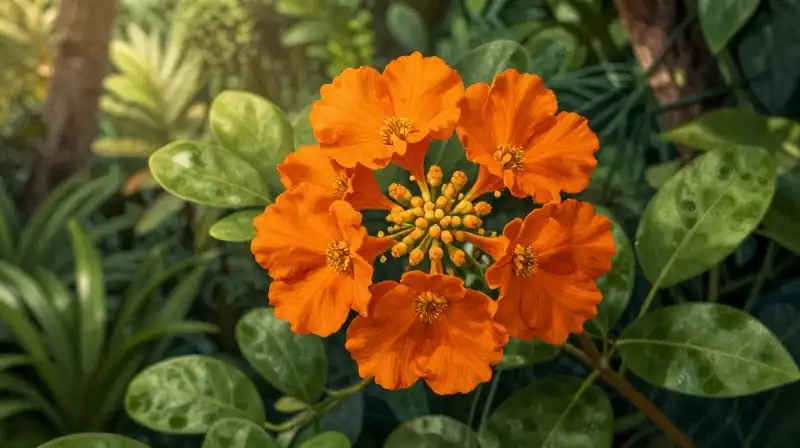
- Size Projection: Plan for a shrub that will typically measure between two and three feet. Its narrow, sticky leaves and bright orange, funnel-shaped flowers are its most prominent features.
Watering Strategy for Longevity
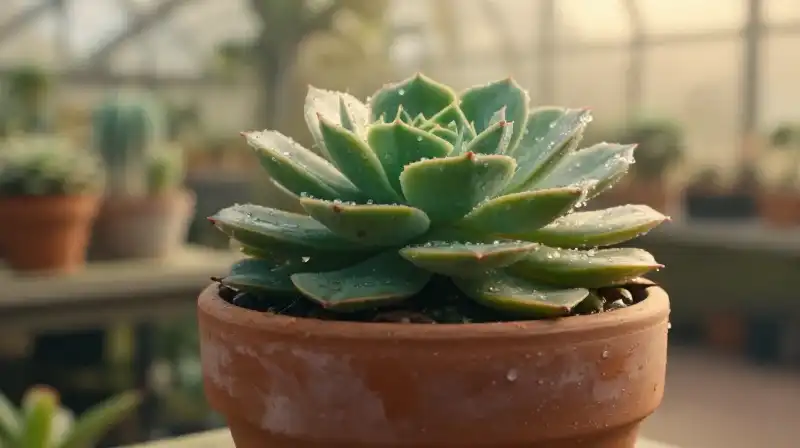
The most critical factor in the successful cultivation of *Mimulus aurantiacus* is managing its water intake. While it possesses strong drought tolerance, over-watering is the primary reason this species fails in cultivation.
The plant’s natural cycle suggests that consistent summer watering tends to shorten its lifespan. Therefore, a strictly preventative, minimal watering approach is recommended. Instead of routine irrigation:
- Allow the soil to dry completely between waterings.
- During dry summer periods, only provide light, supplemental watering if the plant shows signs of severe distress, rather than establishing a set schedule.
- Ensure that any irrigation is directed to the roots and never allowed to pool around the base of the shrub.
This strict water conservation strategy allows the plant to thrive in its more native, xerophytic conditions, leading to a healthier, longer-lived specimen.
Foliage and Floral Characteristics
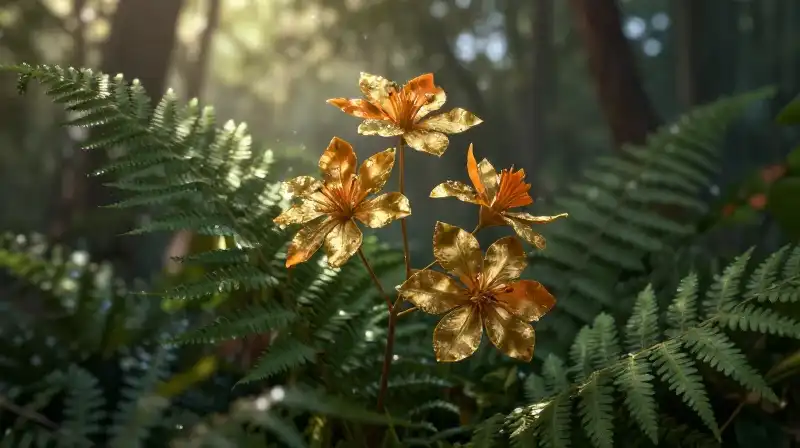
Identifying a healthy *Mimulus aurantiacus* involves observing both its unique leaves and its spectacular flowers.
The foliage is characterized by its deep green color and sticky texture. These lanceolate leaves are typically 1 to 2.5 inches long and about 0.5 inches wide, creating a dense, textural habit for the shrub.
The flowering period provides the plant’s most visually striking phase. The flowers are showy, bright orange, and funnel-shaped, measuring roughly one inch in length. They are distinct for their structure, featuring two well-defined lips and five frilly petal lobes.
When Is the Optimal Time to View?
The plant achieves its most vigorous appearance during the full bloom period. While the shrub will maintain its general structure, it will appear somewhat less robust and less vibrant when it is not actively flowering. This reinforces the importance of allowing the plant to cycle naturally.
Seasonal Care and Dormancy
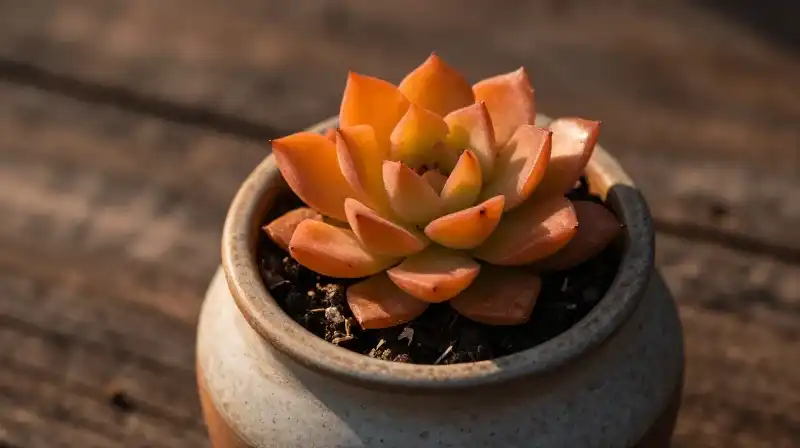
The care for *Mimulus aurantiacus* transitions subtly throughout the year, influenced by the severity of local seasons.
- Spring: Focus on allowing the plant to establish itself in its well-drained location.
- Summer: Maintain the strict drought management protocols. The occasional need for slight shade, particularly in intense afternoon sun, can benefit the plant’s health during peak heat.
- Fall/Winter: Due to its good cold hardiness, the shrub should be protected minimally in cooler months, provided that water does not become stagnant and promote rot.
Practical Summary for Cultivation
Growing Sticky Monkeyflower requires an appreciation for its native, arid habitat. Success is defined by meeting its core needs while respecting its natural limitations.
For the best results, prioritize the following practical guidelines:
| Care Aspect | Requirement | Critical Warning |
|---|---|---|
| Light | Full Sun to Light Shade | Insufficient light limits bloom vigor. |
| Soil | Extremely well-drained, gritty mix | Poor drainage causes rapid decline and rot. |
| Water | Deep watering only when necessary (drought tolerant) | Regular summer irrigation significantly shortens lifespan. |
| Climate | High Cold Hardiness (down to 12-15°F) | Avoid water stagnation in winter. |
How to successfully grow Mimulus aurantiacus
Select optimal environment
Ensure the plant receives full sun for vigorous growth, though it also tolerates light shade. Select a location that allows for excellent drainage.
Prepare the soil
Use a gritty, sandy, or cactus/succulent-friendly mix to mimic the arid native habitat, as dense or water-retentive soil will lead to rapid decline.
Initial establishment (Spring)
Allow the plant to establish itself fully in the well-drained location, focusing on root development during the spring.
Manage summer watering
Implement a strictly preventative, minimal watering approach by allowing the soil to dry completely between waterings. Avoid routine irrigation.
Supplemental watering strategy
During dry periods, only provide light, supplemental watering if the plant shows signs of severe distress, rather than establishing a fixed schedule.
Technique of irrigation
Ensure that any water is directed strictly to the roots and never allowed to pool around the base of the shrub.
Winter care and dormancy
Provide minimal protection in cooler months, ensuring that water does not stagnate and promote root rot.
Related Articles