Maximizing Yellow Antirrhinum Blooms: Planting and Care Guide

Introduction
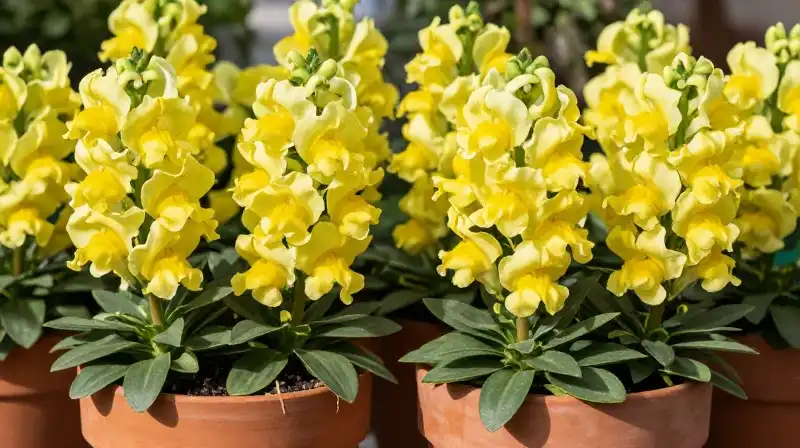
Yellow Antirrhinum, or the Compact Garden Snapdragon, is a versatile ornamental choice that offers cheerful, fragrant blooms across multiple seasons. Unlike standard tall snapdragons, this dwarf variety is designed for sustained, compact flowering, making it ideal for containers, borders, and small gardens. While it possesses the hardiness to appreciate transitional cool temperatures, its primary strength lies in thriving in warmth and full sun. Maximizing the prolific nature of yellow Antirrhinum requires a precise approach to planting, light exposure, and specific maintenance techniques.
Seed Starting and Planting Requirements
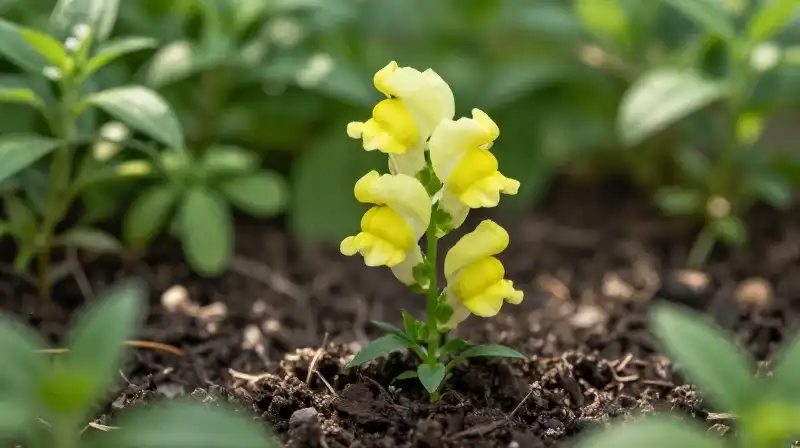 To ensure robust blooms, the foundation of the plant is its initial setup. Starting seeds at home gives you complete control over timing and density.
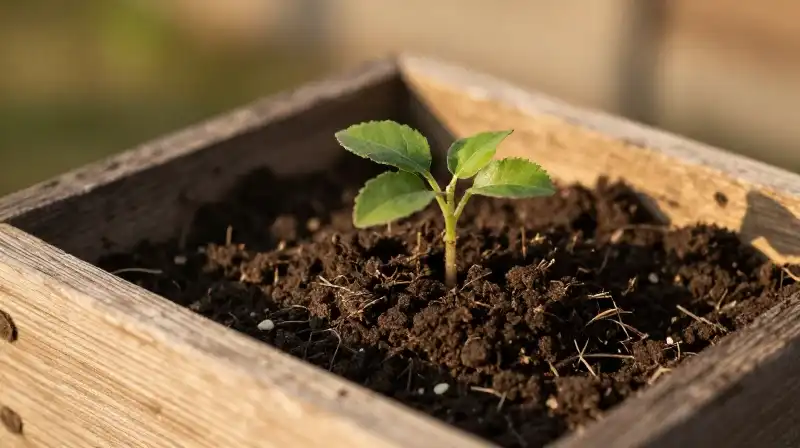
For yellow Antirrhinum, seeds should be initiated indoors four to six weeks before the final planting date. They require initial germination to occur when they are left uncovered, ideally in a controlled environment to mimic natural seasonal transitions. Once seedlings are established, they are transplanted outdoors. Optimal spacing is crucial for maximizing airflow and light competition among the plants, preventing overcrowding that can lead to stunted growth or disease.
When transplanting, ensure a minimum spacing of 6 to 8 inches between plants. While the plant can be dense, allowing enough room ensures each compact shrub can fully develop its 10 to 12-inch mature width and maintains the vigorous, strongly branching habit that defines this variety.
Cultivation Conditions: Light and Climate
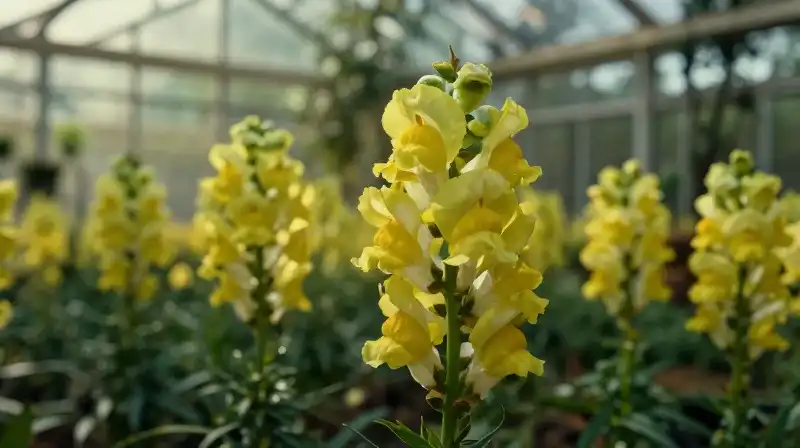 Understanding the environmental needs of Antirrhinum helps prevent the common error of planting it in suboptimal locations.
The sun is a non-negotiable requirement for maximum bloom production. Yellow snapdragons require full sun exposure—at least six hours of direct sunlight daily—to produce the vibrant yellow coloration and maintain high flowering output throughout the season. Insufficient light will result in weaker growth and fewer flowers.
While the summary notes that Antirrhinum is both a warm-weather annual and a cool-season hardy annual, its preferred growing window is when temperatures are consistently moderate to warm. It exhibits frost tolerance, allowing for early spring planting in milder climates, but consistent warmth is the catalyst for its characteristic long-lived bloom cycle. It is generally winter-hardy in Zone 5 and south, provided adequate protection is given against severe cold.
Strategic Maintenance for Continuous Blooming
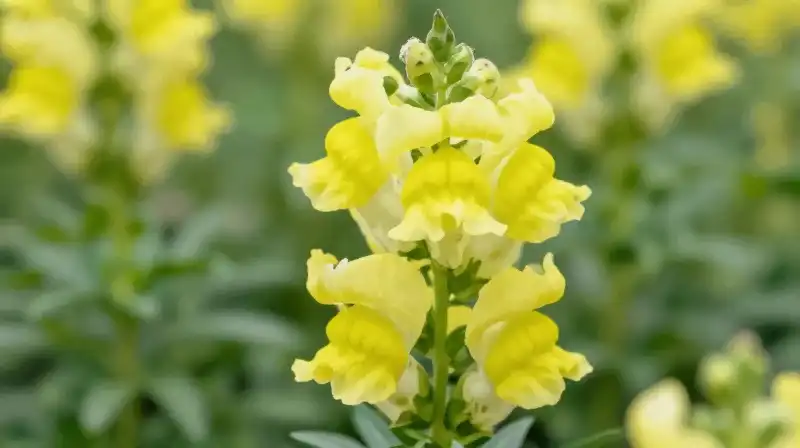 To move beyond initial blooms and achieve continuous, maximal flower production, specific maintenance actions are necessary.
The most critical maintenance practice is regular deadheading. This involves carefully cutting the central stem at the base where it meets the foliage. This action signals to the plant that energy should be redirected from seed production back into the production of new side stems and flowers. Deadheading must be consistent and proactive to maintain the plant’s cheerful vigor throughout the growing season.
Furthermore, to extend the life of the yellow Antirrhinum flowers, harvest or cut the plant when the very first bottom flower has opened. By removing the spent or first opening bloom, you encourage the plant to maintain an unbroken, vibrant bloom cycle. This deliberate intervention ensures the attractive display lasts significantly longer than a typical single-harvest perennial.
Addressing Common Growing Concerns
 Many gardeners confuse Antirrhinum due to its varied characteristics and dual classification as a hardy perennial and a warm-weather annual.
Cool Season vs. Warm Weather Preference: While it is categorized as cool-season hardy, the plant’s thriving state is directly correlated with its ability to grow in warmth. It does not merely tolerate cold; it prefers warmer conditions to maximize its production. Therefore, treat its cool-season hardiness as a benefit for transitional plantings rather than a guarantee for summer heat endurance.
Dwarf vs. Standard Varieties: The Compact Snapdragon is distinct from the traditional taller snapdragon. When optimizing this specific variety, focus on its lower, denser growth habit (typically 8 to 10 inches mature height) rather than the potentially overwhelming height of standard varieties. This ensures that even in limited garden spaces, the plant achieves its maximum compact beauty without becoming unruly.
Maximizing Pollinator Attraction
Yellow Antirrhinum is not only ornamental but ecologically valuable. Its fragrant flowers and specific bloom times (early spring, spring, and autumn) make it a valuable resource for beneficial insects.
As a magnet for both bees and hummingbirds, strategically planting yellow Antirrhinum near natural habitats or other flower beds supports local biodiversity. Because the plant offers a consistent, uniform bloom time across its entire color range, it provides a reliable food source throughout the seasons when pollinators are active.
Priorities for a Successful Yellow Antirrhinum Display
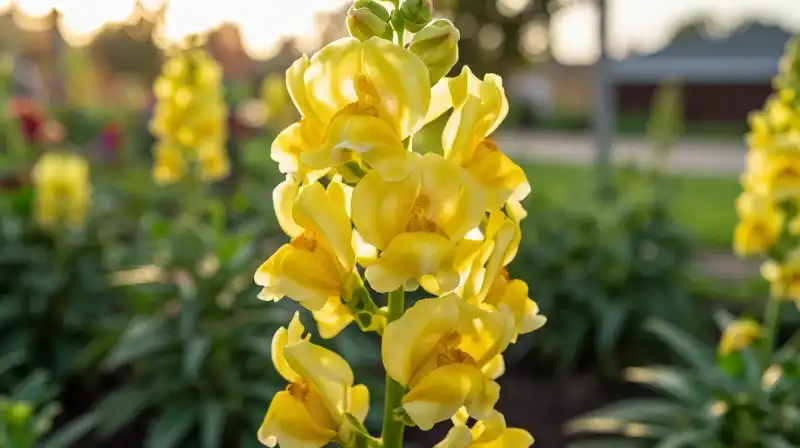
Achieving maximum performance with yellow Antirrhinum depends on the successful integration of three key elements:
- Sunlight Availability: Ensure unwavering access to full sun to fuel the plant’s high-output growth.
- Proactive Deadheading: Implement regular stem cutting to redirect the plant’s energy into continuous flowering rather than seed production.
- Density Management: Maintain optimal 6-8 inch spacing to ensure adequate light penetration and airflow, preventing stress and disease in its compact form.
By adhering to these practices, you harness the cheerful productivity of Antirrhinum yellow, extending its bloom season and creating a robust, low-maintenance display for both the gardener and visiting wildlife.
How to Grow and Maintain Yellow Antirrhinum
Seed Starting
Start seeds indoors four to six weeks before the final planting date. Ensure initial germination occurs in an uncovered, controlled environment.
Transplanting and Spacing
Transplant seedlings outdoors, ensuring a minimum spacing of 6 to 8 inches between plants to allow for full development and maximum airflow.
Selecting Optimal Conditions
Place the plant in an area that receives full sun exposure, requiring at least six hours of direct sunlight daily for maximum bloom production.
Deadheading
Regularly perform deadheading by carefully cutting the central stem at the base where it meets the foliage to redirect energy toward new side stems and flowers.
Extending Bloom Cycle
To maintain a vibrant, unbroken display, harvest or cut the plant when the very first bottom flower has opened.
Related Articles