Black Eyed Susan Seeds: Timing and Tips for Successful Planting

Introduction
Choosing Black-Eyed Susan seeds is an investment in vibrant, resilient blooms that define North American landscapes. Because they can grow as either annual or short-lived perennial species, success hinges on understanding their planting window and specific environmental needs. This guide outlines the practical steps, from seed selection to the optimal timing for sowing, ensuring you cultivate a hardy and prolific display in your garden or pots.
Timing Your Planting: When Should I Start Black Eyed Susan Seeds?
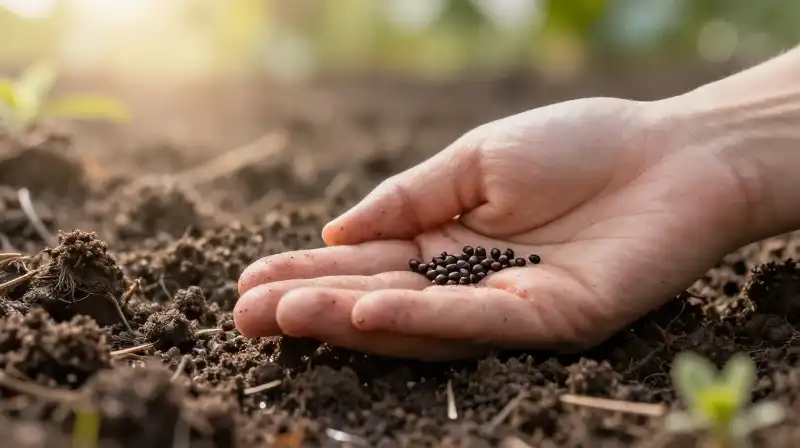 Determining when to plant Black-Eyed Susans depends heavily on your climate and whether you choose direct sowing or starting seeds indoors. Since these plants are highly adaptable and tolerant of harsh winters, they can thrive in various planting scenarios, but timing is crucial for setting them up for a strong, immediate start.
Outdoor Sowing (Direct Planting)
For gardeners who prefer direct sowing into the ground, the optimal time to sow Black-Eyed Susan seeds is usually after the last threat of frost.
- Spring Planting: As the weather warms and the risk of frost diminishes, sowing directly into well-drained soil allows the seeds to utilize the increased moisture and sunlight for germination. This method is ideal for establishing robust perennials.
- Fall Planting: In many regions, planting in late summer or early autumn allows the plants to establish roots during the cooler months. This helps them survive winter and emerge strongly in the following spring.
Starting Seeds Indoors
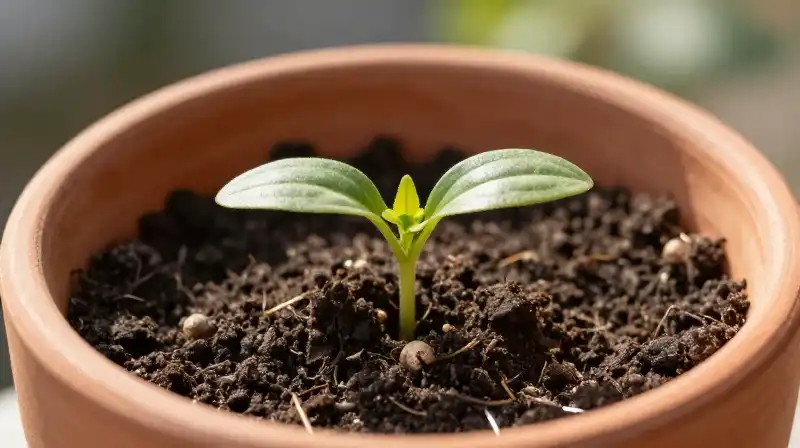
If you are interested in getting a head start or planting “Seeds for Black Eyed Susan in Pots,” starting indoors is a viable option. Because they are generally hardy, the goal of starting indoors is typically to give the seedlings a head start so they can be transplanted when the weather permits, rather than to grow the entire season inside. Monitor moisture levels closely during this initial growth phase.
Optimizing Seed Quality and Sourcing
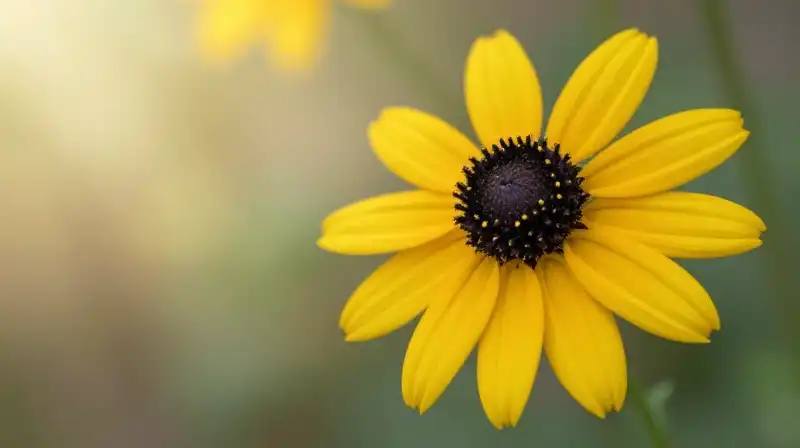 When looking for “Best seeds for Black Eyed Susan,” it is important to select seeds that align with your desired outcome, whether you want a reliable perennial plant or a unique cultivar.
Choosing the Right Variety
Various seeds are available, often labeled as open-pollinated or heirloom varieties. These are typically preferred for Black-Eyed Susans because:
- They maintain genetic stability, ensuring the characteristics you love (like the striking yellow petals and dark brown disks) return year after year.
- They are more likely to self-seed and naturally propagate in your landscape.
When researching where to buy seeds for Black Eyed Susan, look for reputable suppliers that specify the seed type (e.g., perennial, annual, dwarf, tall) and the planting season (cool-season or warm-season).
Seed Germination and Storage
Black-Eyed Susan seeds are generally reliable, but keeping them in cool, dry conditions ensures maximum viability. If you plan on planting them later in the season, properly labeling bags and storing them in a dark, climate-controlled area can dramatically improve germination rates.
Practical Planting Techniques for Success
Once you have selected your seeds and determined the correct planting time, the physical act of planting requires attention to soil and depth.
Preparing the Growing Medium
Black-Eyed Susans thrive in sandy, well-drained soils, but they are highly adaptable. For ideal germination, especially if you are planting “Seeds for Black Eyed Susan in USA” regions with heavy clay, amending the soil with organic matter is essential to improve drainage.
- Ensure the area is free of competing weeds to reduce competition for nutrients.
- In outdoor beds, mix in compost or aged manure to provide nutrients and aid water absorption.
Sowing Depth and Spacing
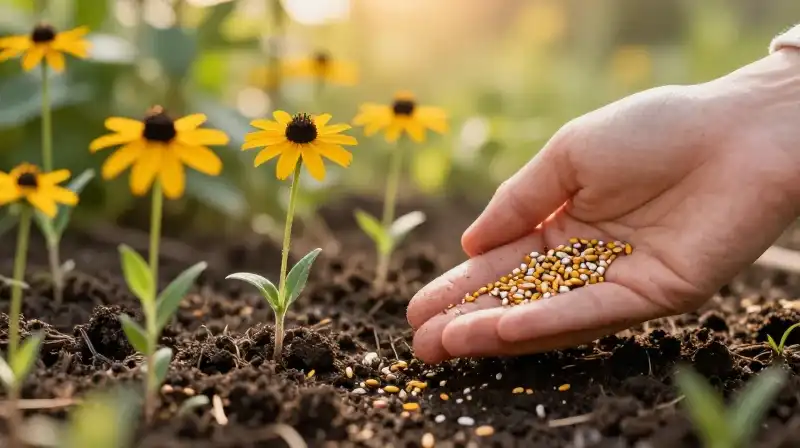
While specific requirements can vary slightly by variety, a general rule for sowing Black-Eyed Susan seeds is a depth of about one-third to one inch.
Do not overcrowd your planting. Allow adequate space between each seed so that the young plants have enough room to grow into full size, particularly since they are perennial plants that spread slightly.
Watering and Maintenance After Planting
 While Black-Eyed Susans are known for their resilience and tolerance of drought and harsh winters, they require consistent care during the critical germination phase.
Watering Requirements
Initial watering must be gentle and consistent. Use a fine spray of water (like a mister) rather than a heavy stream to prevent the delicate seedlings from being dislodged or damaged. Once they are established and have a few true leaves, they will become much more tolerant of drier conditions.
Pest and Disease Management
Black-Eyed Susans naturally demonstrate resistance to common pests and diseases, which is part of their overall “hardiness.” However, regular inspections are always recommended. If pests are noticed, starting with non-toxic organic treatments is usually sufficient before considering chemical interventions.
Navigating Buying and Growing Black Eyed Susan Seeds
Whether you are seeking “Seeds for Black Eyed Susan near me” or placing an online order, understanding the landscape of the market and your local ecology is key.
Decision Criteria for Seed Purchases:
- Origin: Look for heirloom or open-pollinated varieties if you want future generations of plants that retain their original characteristics.
- Certifications: If you are growing for ornamental purposes, check for certifications like Non-GMO or Organic.
- Type: Verify if the seed packet specifies if it is suitable for indoor and outdoor planting, as Black-Eyed Susans handle both depending on the climate.
Practical Summary and Final Preparation
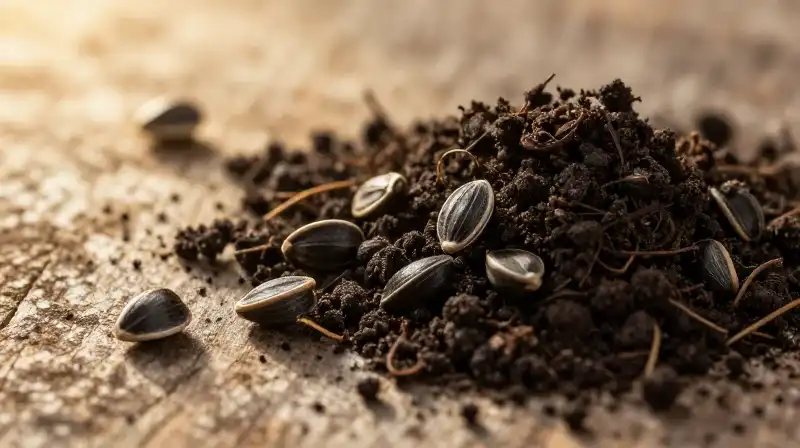 Successfully growing Black-Eyed Susan seeds requires matching the plant’s established resilience with careful initial preparation. The best approach is to select a variety suited for your climate, prepare well-drained soil, and plant according to the local seasonal timing—either after the last frost in spring or during the cooling months of fall. By prioritizing quality seeds and giving them a strong start, you ensure your Black-Eyed Susans can establish deep roots, survive challenging environmental conditions, and provide reliable color across your landscape for years to come.
Frequently Asked Questions
When should I start black eyed Susan seeds?
For direct outdoor sowing, the optimal time to sow Black-Eyed Susan seeds is usually after the last threat of frost in spring or during late summer or early autumn. If you are starting seeds indoors, the goal is generally to provide a head start so they can be transplanted when the weather permits.
How to Grow Black-Eyed Susan Seeds
Select Seeds and Determine Timing
Choose the appropriate seed variety (open-pollinated or heirloom) and determine the optimal planting window for your climate, either after the last frost in spring or during the cooler months of fall.
Prepare the Growing Medium
Ensure the area is free of weeds. For optimal results, especially in heavy clay, amend the soil with organic matter like compost or aged manure to ensure excellent drainage.
Sow the Seeds
Plant the seeds at a depth of approximately one-third to one inch. Ensure adequate space between each seed to allow the young plants room to grow into full size.
Water Gently
During the critical germination phase, provide gentle and consistent watering using a fine spray (mister) rather than a heavy stream to avoid dislodging the delicate seedlings.
Monitor and Maintain
While the plants are resilient, monitor them regularly for pests and diseases. If necessary, start with non-toxic organic treatments and ensure consistent moisture until the seedlings are established.
Related Articles