How to Grow Cocozelle Zucchini for Maximum Flavor and Yield

Introduction
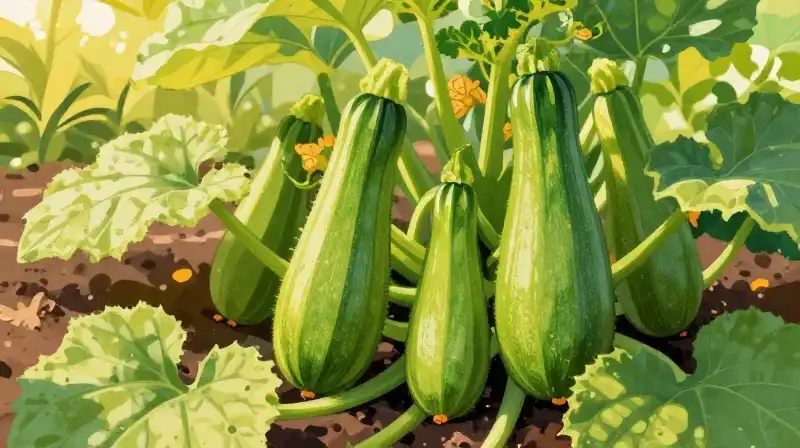
Cocozelle Zucchini is a unique variety of summer squash known for its impressive flavor and high yield, particularly given its compact, bush-type growth habit. If you are looking to grow zucchini that performs reliably in warmer climates while offering culinary excellence, this specific cultivar is an excellent choice for sautéing, ratatouille, or fresh consumption. To achieve the best results from your plants, success depends not just on planting the seeds, but on managing a series of specific environmental factors, from ideal soil pH to strategic pest prevention.
This guide outlines how to maximize the flavor and productivity of your Cocozelle Zucchini, covering everything from the optimal growing conditions to techniques for harvesting at the precise moment—the “dinghy stage”—when the fruit delivers peak quality.
Understanding Cocozelle Zucchini: Flavor vs. Standard Varieties
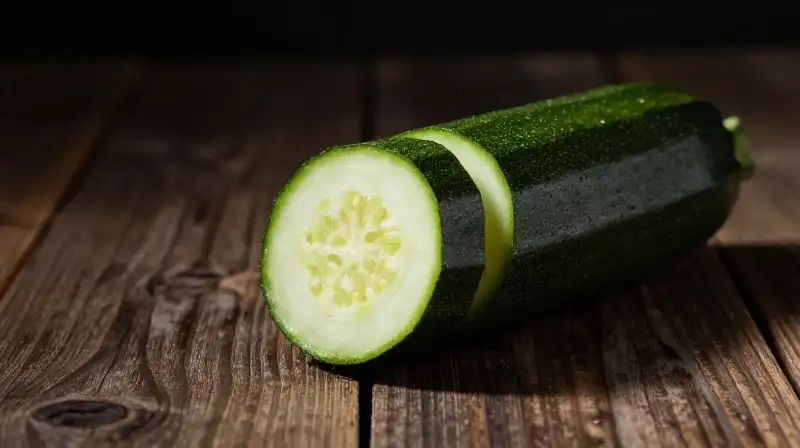
While Cocozelle Zucchini belongs to the same family as standard garden squash, it offers distinct advantages that set it apart from many common cultivars. It is classified as a highly productive, low-calorie variety, making it a popular choice for home gardens seeking both flavor and nutritional value.
Key Differences and Characteristics
- Growth Habit: Unlike many vigorous zucchini varieties that sprawl aggressively along long vines, Cocozelle is typically a bush-type plant. This makes it ideal for smaller gardens or raised beds where space is a concern, though it remains capable of high production.
- Culinary Profile: The taste of Cocozelle is frequently cited as superior to many typical summer squashes, making it particularly recommended for complex recipes like ratatouille.
- Cultivation: Because of its manageable size, it is often a more forgiving crop than large vining squash, but it still requires ample nutrients and consistent care to reach its full potential.
Optimizing the Growing Environment
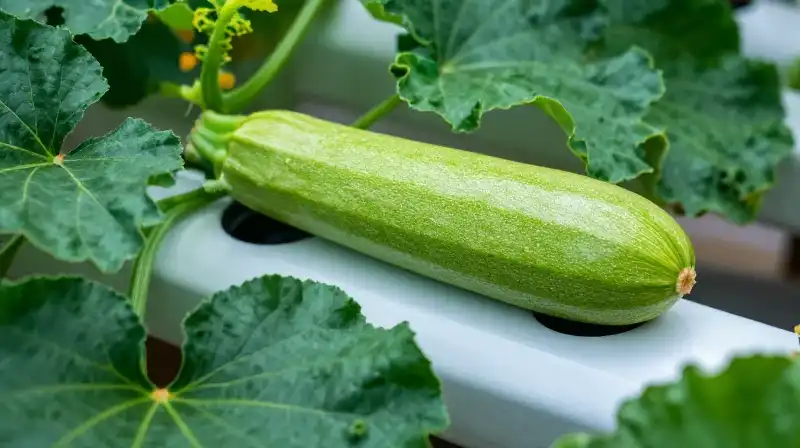
Zucchini is a warm-season annual that thrives when heat, light, and nutrients are perfectly balanced. Proper preparation of your planting site is the first step toward a bountiful harvest.
Soil Preparation and Planting
Cocozelle Zucchini requires fertile, loose soil that is well-drained and rich in nitrogen. The ideal pH range for optimal growth is between 5.8 and 6.8.
To ensure successful germination, several environmental factors must be met:
- Temperature: The soil temperature should be around 85°F. Do not plant until warm weather conditions have been established and the soil has reached this threshold.
- Depth and Spacing: Plant seeds at a depth of half to one inch. Allow substantial space between plants, ideally 12 to 24 inches, to ensure adequate air circulation and nutrient access.
Managing Heat and Moisture
The garden environment often requires modification to sustain peak performance. Consider using black plastic mulch to heat the soil and potentially floating row covers to elevate both air and soil temperatures during early summer.
Consistent moisture is critical, especially during hot periods. However, ensure the soil retains good drainage to prevent root rot, a common issue with summer squash.
Plant Care and Maximizing Yield
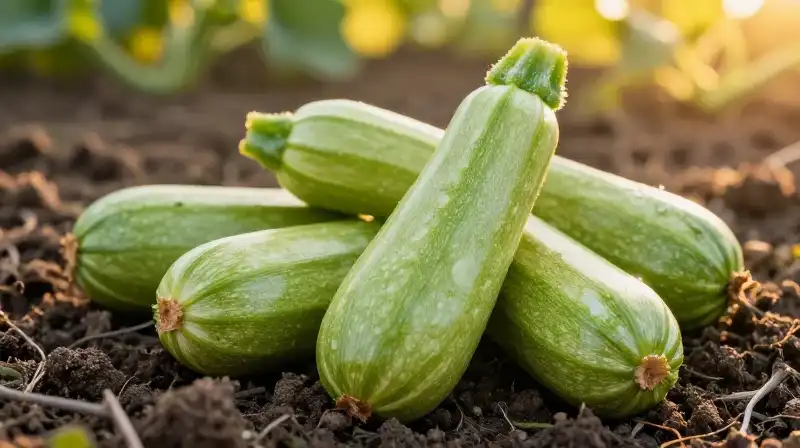
Maximizing the yield of Cocozelle Zucchini requires diligent maintenance throughout the growing season, focusing on nutrition, pest control, and proper pollination.
The Importance of Feeding and Airflow
Due to the nutrient demands of a high-yielding plant, consistent feeding is necessary. Ensure your garden is formulated for vegetable production. Furthermore, maintaining proper spacing is crucial for managing fungal issues. To prevent common problems like powdery mildew, ensure the plants are well-spaced to allow maximum airflow around the leaves.
For those looking into related searches like Cocozelle Zucchini seeds or specific production methods, you can achieve exceptional growth by using a succession planting strategy, which involves planting multiple batches throughout the season to extend the harvest window.
Hand Pollination and Flower Identification
In some garden conditions, insect pollination may be inconsistent. If fruit set is slow, hand pollination can boost yield. You must differentiate between the types of flowers:
- Male Flowers: These flowers can be clipped and are edible.
- Female Flowers: These flowers have a distinct blossom and must be left to develop into the zucchini fruit.
Transferring pollen from a male to a female flower is the essential step for fruit development.
Pest Management Strategies
Managing pests is often the biggest hurdle for gardeners. For effective, organic control of common pests, adopt these methods:
Cucumber Beetles: These pests can be managed by applying a solution of kaolin clay combined with neem oil or insecticidal soap.
Squash Bugs and General Control: Handpicking is a viable method for reducing pressure. Beyond manual removal, implementing crop rotation is the most effective long-term strategy to prevent pest buildup in the soil.
Harvesting for Peak Flavor: The “Dinghy Stage”
Zucchini is a high-perishability crop, meaning harvest timing is everything. To achieve maximum flavor and avoid the overly fibrous or watery texture of large, overripe squash, you must harvest at the correct time.
Optimal Size and Timing: Harvest the zucchini when it is small, ideally 5 to 8 inches in length. For the specific Cocozelle variety, the ideal picking moment is when it reaches the “dinghy stage”—a term referring to a specific, small-scale maturity that assures the best flavor.
Harvesting frequency: Regular picking, approximately two to three times per week, encourages the plant to keep producing and prevents the fruit from becoming too large. If you leave the fruit to grow too large, it often becomes less flavorful and more challenging to process.
Cocozelle Zucchini Size, Potential, and Production
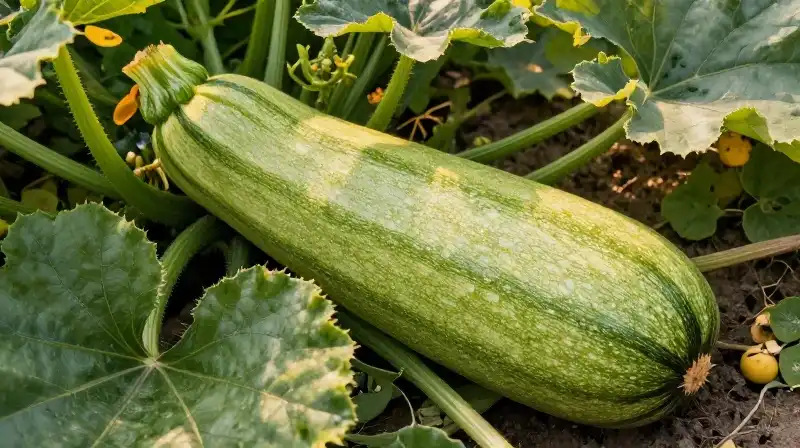
Addressing the query, “How big are Cocozelle Zucchini?” and “Cocozelle Zucchini plant size,” it is important to differentiate between the individual fruit size and the overall plant habit. While the zucchini typically reaches a manageable size (5-8 inches) for optimal flavor, the plants themselves demonstrate significant production capacity.
Production and Plant Capacity
Although Cocozelle is categorized as a bush-type plant, it is not restricted in output. With consistent care, ample space, and ideal nutrients, the plant is highly conducive to large production. This makes it an excellent candidate for seed saving for subsequent seasons, as the plants are robust and high-yielding.
The fruits produced by Cocozelle are suitable for both quick fresh consumption and slow cooking, offering valuable antioxidants and Vitamin A with minimal caloric impact.
Practical Warnings and Success Checklist
Before planting, review these practical guidelines to prevent common errors and ensure the best chance of a successful harvest.
The difference between the yield you expect and the yield you get often comes down to these specifics:
- Don’t Rush: Wait until the soil temperature is around 85°F before sowing seeds.
- Airflow is Key: Never allow your plants to become overcrowded; the extra space prevents fungal diseases like powdery mildew.
- Patience for Flavor: Resist the urge to let the zucchini get too big. Harvest frequently to lock in the superior taste of the Cocozelle variety at the “dinghy stage.”
- Heat Management: Use mulching or row covers if your heat is insufficient, ensuring the plants receive 6+ hours of full, daily sun.
Frequently Asked Questions
What is the difference between cocozelle zucchini and regular zucchini?
Cocozelle Zucchini is a compact, bush-type plant, unlike many vigorous zucchini varieties that sprawl along long vines. It is also classified as a highly productive, low-calorie variety with a taste frequently cited as superior to typical summer squashes.
How big are cocozelle zucchini?
Cocozelle zucchini typically reaches a manageable size of 5 to 8 inches in length for optimal flavor and peak quality. The ideal picking moment for this variety is when it reaches the dinghy stage.
Related Articles