
Thai Dragon Pepper: Heat, Flavor, and Culinary Uses

Introduction
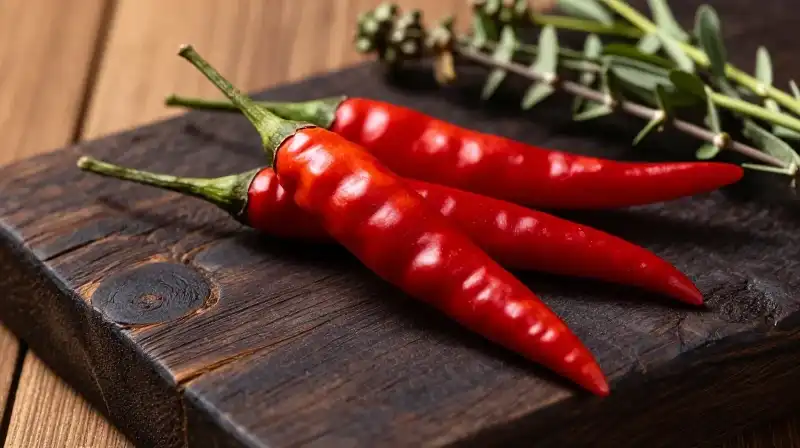
The Thai Dragon Hot Chile Pepper, also known as the Thai Volcano Pepper, is a vibrant cultivar recognized for its powerful heat combined with a complex, fruity flavor profile. Originating in Southeast Asia, this pepper has become a prized ingredient in global kitchens for those seeking an intense culinary experience. While its name suggests raw power, the Thai Dragon offers more than just fire; it provides a bold, bright flavor that elevates dishes across various cuisines, from Thai curries to vibrant Asian stir-fries. This pepper belongs to a category of intense, flavorful chilies. Unlike milder varieties, the Thai Dragon delivers a substantial Scoville Heat Unit (SHU) count. However, it distinguishes itself by pairing this fiery bite with sweet, fruity undertones, making it far more nuanced than standard cayenne or bird’s eye peppers.
Understanding the Heat and Flavor Profile
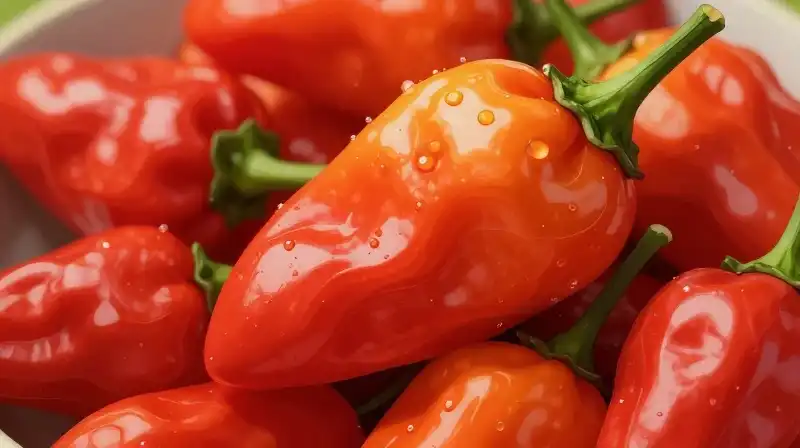 When considering the Thai Dragon Pepper, the most critical factor is its intensity. Classified as a medium-high heat chili, its Scoville Heat Unit range typically sits between 50,000 and 100,000 SHU. To provide perspective on its potency, this places it significantly hotter than mild peppers like Tabasco or the classic Cayenne pepper, but it is generally considered milder than the searing heat of a Habanero or Ghost Pepper. The flavor is perhaps as unique as its heat. It possesses characteristic bright, fruity undertones—notes of citrus and tropical fruit—which provide a necessary counterpoint to the intense spiciness. This combination means the burn builds steadily but is balanced by a delicious, bold finish, making it highly versatile even in complex, highly seasoned dishes.
Culinary Applications and Usage of Thai Dragon Peppers
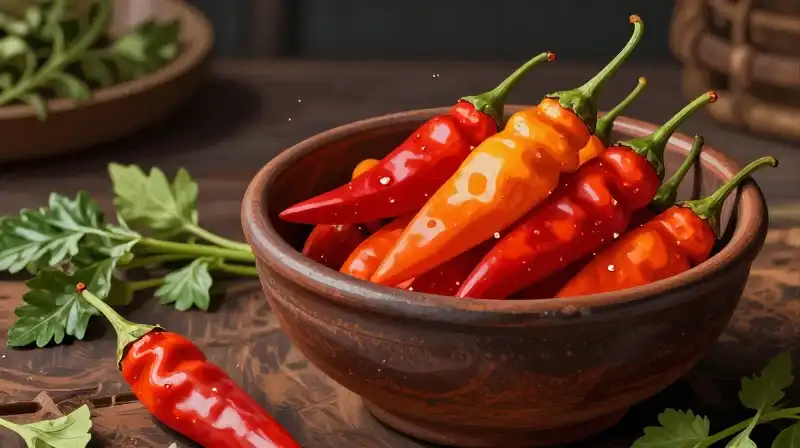 How to use Thai dragon peppers depends entirely on whether you want a raw burst of flavor or a deep, preserved heat. Due to its unique characteristics, it thrives in preparations that allow the flavor and aroma to shine.
Raw and Fresh Heat:
Fresh slices are perfect for adding a dynamic kick to vibrant dishes. It is ideally suited for:
- Curries and Stew Bases: Providing foundational heat and bright flavor.
- Stir-Fries and Soups: Adding heat just before serving.
- Salsa and Relishes: Incorporated into tropical or Asian-inspired dips and chutneys.
Preservation and Infusion:
For those who want to extend the flavor beyond a single meal, preservation methods are highly effective:
- Hot Oils and Infusions: Dried or infused peppers make phenomenal chili oils, lending a controlled, complex heat to breads, pasta, or vegetables.
- Pickled and Fermented Recipes: Pickling the Thai Dragon preserves its vibrant color and allows its flavor to mellow slightly while retaining significant heat.
- Chili Flakes and Powders: Drying the peppers completely allows for the creation of high-quality, intensely flavored chili flakes for year-round seasoning.
Thai Dragon Pepper vs. Popular Varieties
 Deciding whether the Thai Dragon Pepper is the right choice often involves comparing its attributes against more commonly known varieties. The key differentiator is the balance between heat and flavor complexity.
| Variety | Typical SHU Range | Primary Flavor Notes | Heat Profile Compared to Thai Dragon |
|---|---|---|---|
| Thai Dragon Pepper | 50,000 – 100,000 | Fruity, Bright, Balanced | Benchmark |
| Jalapeño | 2,500 – 8,000 | Mild, Green, Earthy | Significantly Milder |
| Cayenne | 25,000 – 50,000 | Pungent, Smoky | Often Milder/Less Complex |
| Habanero | 100,000 – 350,000 | Fruity, Tropical, Intense | Significantly Hotter |
Choosing the Right Pepper: If you need a steady, flavorful background heat for a large pot of curry, the Thai Dragon is excellent. If you require the extreme, scorching burn of a Habanero, you will need a higher SHU cultivar. If you are seeking mild, consistent heat, a Jalapeño is the more appropriate choice.
Cultivating and Harvesting the Thai Dragon Pepper Plant
The Thai Dragon is known for its robust nature and high productivity, making it a rewarding crop for gardeners.
Visual Identification:
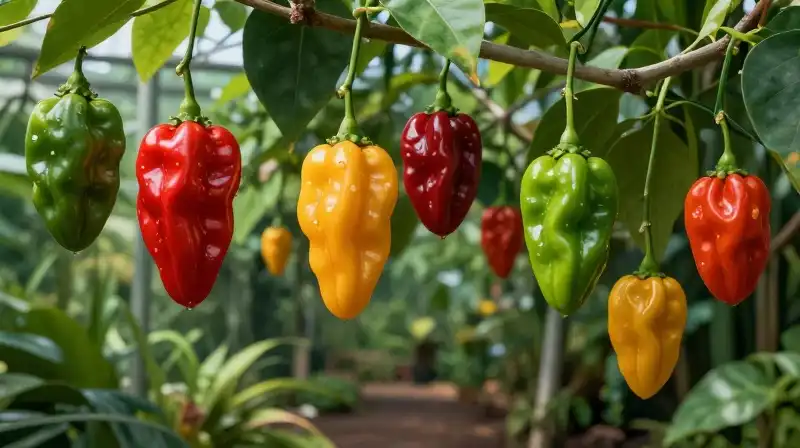
The fruit develops into slender, gracefully curved pods, typically measuring between 2 and 4 inches in length. The pepper’s color change is a reliable indicator of ripeness: it starts green and matures into a brilliant, striking red.
Yield and Care:
The plant tends to be high-yielding, often producing 150 to 200 pods per season under ideal conditions. To ensure a successful harvest:
- Variety: Choose suitable seeds for your climate, as the Thai Dragon Pepper Seeds require warmth.
- Maintenance: Ensure adequate sunlight and consistent watering to maximize pod development.
- Drying: For preservation, once fully ripened, the pods can be dried completely before storage or use.
Practical Considerations for Handling Hot Peppers
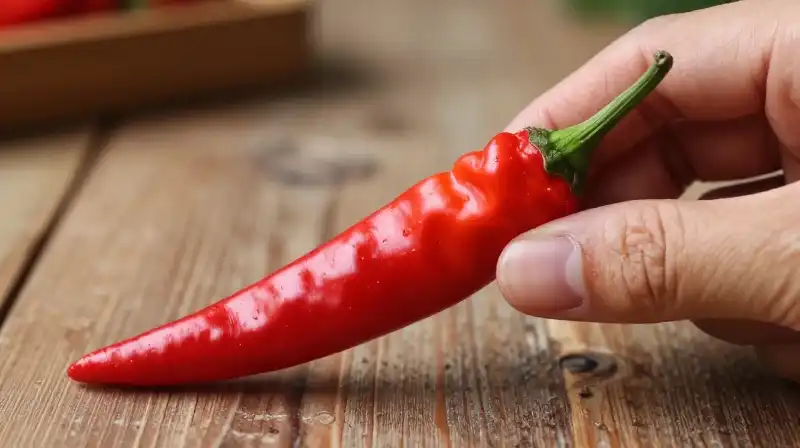 Handling extremely spicy peppers like the Thai Dragon Pepper requires attention to detail, both in the garden and in the kitchen.
Safety First (The Heat Factor):
Because the pepper possesses high capsaicin content, always use gloves when harvesting, cutting, or processing the pods. Avoid touching your face, eyes, or other sensitive areas without washing your hands thoroughly after handling.
Culinary Limits:
While the Thai Dragon is versatile, be mindful that its intensity is not consistent across all pods. When making large batches of sauces or dried flakes, sampling is crucial to gauge the heat level and adjust other ingredients accordingly. Additionally, the use of this pepper is highly dependent on context; it excels in bold, layered dishes where its unique fruity notes can be appreciated.
Summary of Selection Criteria
 Choosing the Thai Dragon Pepper is a commitment to a specific flavor and heat experience. It is the optimal choice if you prioritize:
- A balance of fruity, tropical flavor combined with intense spice.
- A high-yield chili that performs well in various Asian and fusion cuisines.
- A flavor complexity that surpasses basic high-heat options.
Whether you are cultivating the plant for ornamental garden interest or integrating the pods into a vibrant curry, understanding its unique balance of heat and flavor ensures maximum culinary satisfaction.
Frequently Asked Questions
How to use Thai dragon peppers?
Thai dragon peppers can be used raw in curries, stir-fries, soups, and salsas for an immediate burst of flavor, or they can be preserved in hot oils, pickled, or dried to create flavorful chili flakes and powders.
Cultivating and Harvesting the Thai Dragon Pepper Plant
Select Seeds
Choose suitable seeds for your climate, ensuring they are suited for warmth.
Maintain Growth
Ensure the plant receives adequate sunlight and consistent watering to maximize pod development.
Identify Ripeness
Allow the pepper to fully ripen, observing the color change from green to a brilliant red.
Preserve or Harvest
Once fully ripened, the pods can be dried completely before storage or use.
Related Articles