Marionberry Fruit: Profile, Flavor, and Uses of Oregons King Berry

Introduction
The Marionberry is more than just a variety of blackberry; it is a specific, highly cultivated hybrid fruit celebrated as Oregon’s “King Berry.” Born from a 1956 breeding program by the USDA Agricultural Research Service and Oregon State University, the marionberry is a commercial triumph derived from crossing the Chehalem and Olallie varieties. While often grouped under the umbrella of “blackberry,” the marionberry possesses distinct characteristics—a deep earthy profile, a vigorous trailing habit, and a refined flavor—that set it apart from wilder or generic species. This specific cultivated berry, primarily grown in Marion County’s Willamette Valley, is renowned worldwide for its quality and complexity, transitioning from a glossy dark purple to a deep black once frozen and thawed.
Defining the Marionberry Fruit Profile
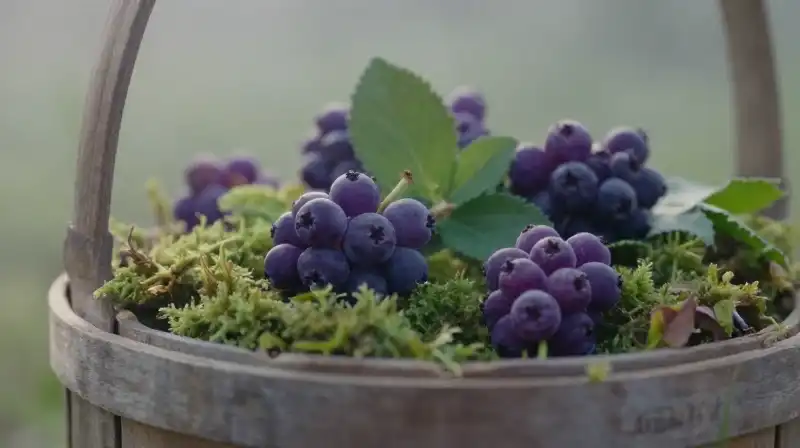
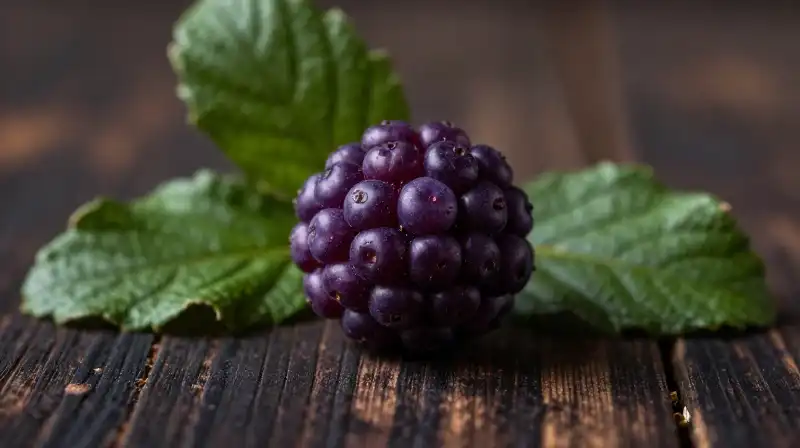 To understand the marionberry, one must look past the “cane” structure to its botanical composition and characteristic shape. Unlike the common bramble berry, which often grows as a shrub, the marionberry is a vigorous, trailing vine. The fruit itself is an aggregate of tiny, juice-filled segments called drupelets, forming an oblong berry longer than it is wide. These drupelets create a signature textured skin and a dense interior that holds the fruit’s signature sweet-tart essence. The flavor profile is complex: it balances inherent sweetness with a unique earthiness and a natural acidity, making it exceptionally balanced for both fresh consumption and preservation.
Botanical Distinction: Marionberry vs. Blackberry
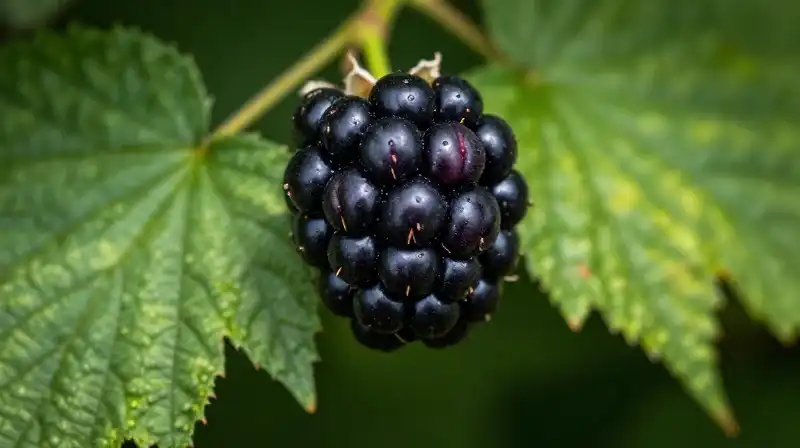 A common confusion exists between the general term “blackberry” and the specialized “Marionberry.” The distinction is crucial for understanding quality. The generic blackberry term often encompasses a wide range of wild and unmanaged varieties. The marionberry, conversely, is a highly managed hybrid cultivar.
| Feature | Generic Blackberry (Wild/Various Cultivars) | Marionberry (Cultivar) |
|---|---|---|
| Origin | Broad and diverse; often wild | Specific 1956 hybrid (Chehalem x Olallie) |
| Growth Habit | Shrubby or trailing | Vigorously trailing vine (Caneberry) |
| Flavor Profile | Variable (often sweeter or more tart) | Complex; deep, earthy, sweet-tart balance |
| Market Status | General produce category | Premium, globally dominant (90% of worldwide production) |
Ideal Growing Conditions and Harvest Timing
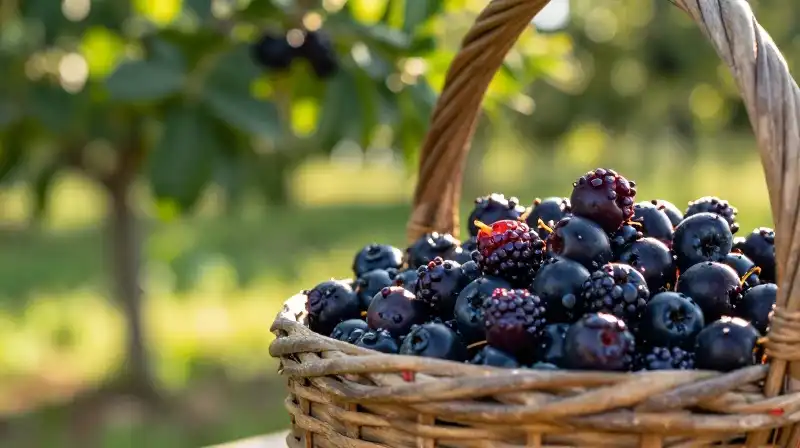 The success of the marionberry relies heavily on its specific environment. It thrives in mild, maritime climates, which explains Oregon’s dominance in the global marionberry market. Cultivation requires sandy soil and the temperate spring rains characteristic of Western Oregon.
The growing season for this berry is highly restricted, typically offering a very short harvest window. Marionberries begin to ripen in the spring but reach their peak between mid-July and mid-August. Because the fruit is nestled among thorny stalks, commercial harvesting often requires specialized machinery. Understanding this tight harvest window is essential for consumers looking to buy marion berry fruit, as quality and flavor are highest during this period.
Culinary Uses and Preservation Methods
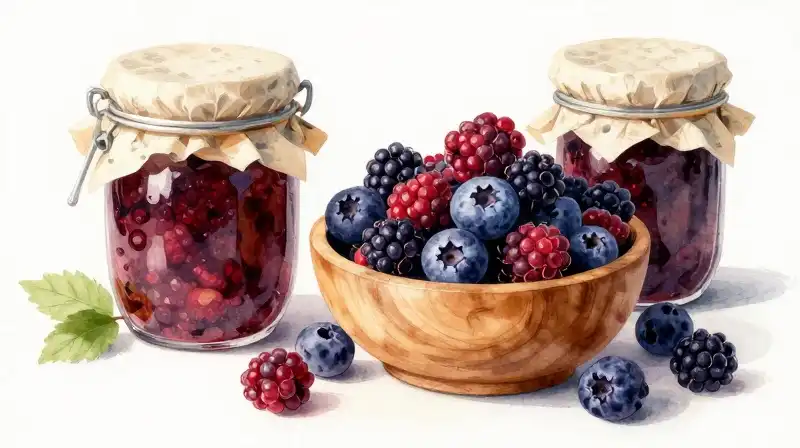 The versatility of the marionberry flavor allows it to be used across various culinary applications. Its natural acidity and earthy sweetness make it a versatile fruit that holds its flavor well, whether used raw or processed.
- Fresh Consumption: The ideal use for enjoying the berry’s robust, earthy flavor in summer.
- Frozen: Freezing the fruit is a practical way to extend the short harvest season and maintain its deep flavor for winter use.
- Preserves: Marionberries excel in jams, syrups, and fruit sauces. The high natural pectin content aids in gelling.
- Baked Goods: They are prized in pies, cobblers, and tarts, adding a sophisticated depth often missing in sweeter, milder berry varieties.
- Frozen Treats: The berry’s ability to maintain color and flavor when thawed makes it perfect for ice cream and sorbets.
Decision Criteria for Selection and Quality
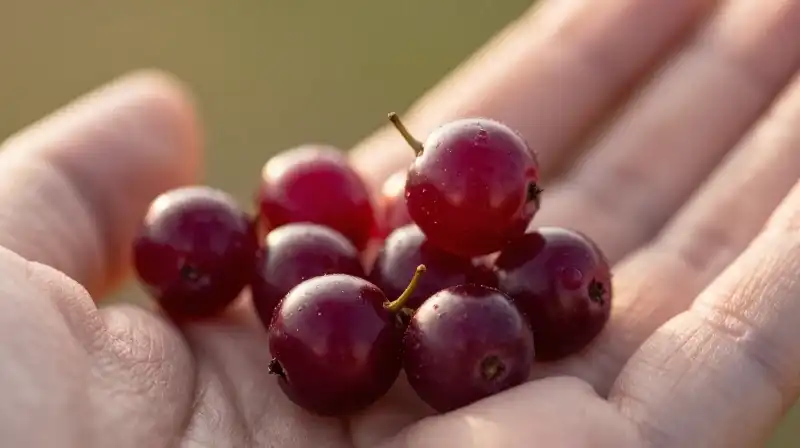 When purchasing marionberry fruit, especially for commercial or high-quality culinary use, several criteria should guide your decision. Unlike many fruits, the marionberry is often prized for its consistent flavor profile.
- Color and Ripeness: Look for a deep, consistent dark purple hue. A fully ripened marionberry should appear dense and glossy.
- Origin: For the authentic “King Berry” experience, prioritize berries labeled as originating from Oregon, as the climate and soil conditions optimize the flavor.
- Texture: While the drupelets are always present, the overall berry should feel firm and substantial, not mushy.
Marion Berry Fruit Benefits and Considerations
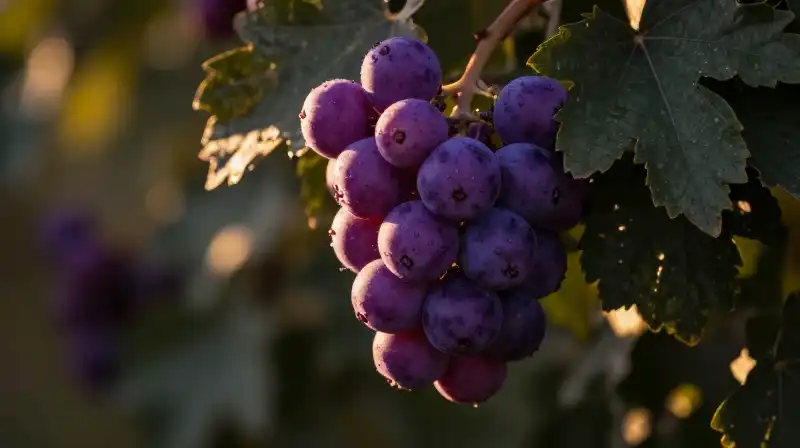 Beyond its flavor, the marionberry is recognized for its robust nutritional value, though its primary commercial appeal lies in its culinary quality.
While the specific nutritional profile can vary, berries are naturally rich in antioxidants and fiber. From a cultivation perspective, it is important to note that while the marionberry is related to invasive blackberry species, it is a carefully controlled and non-invasive hybrid. However, gardeners must still consider managing the vigorous growth of the trailing vines through regular pruning and training on trellises to ensure optimal fruit production.
In summary, the marionberry offers a refined and distinct taste rarely matched by other commercial blackberry types. Whether you are utilizing it in a dessert or enjoying it fresh, knowing its history as Oregon’s premium, highly cultivated fruit ensures a superior sensory experience.
How to Select Quality Marionberries
Check Color and Ripeness
Look for a deep, consistent dark purple hue, and ensure the berry appears dense and glossy, indicating it is fully ripened.
Verify Origin
For the authentic experience, prioritize berries that are labeled as originating from Oregon, as this climate optimizes the flavor.
Evaluate Texture
Gently feel the berry; the drupelets should be present, and the overall berry must feel firm and substantial, avoiding any mushiness.
Related Articles