Lemon Lime Philodendron Care: The Ultimate Guide to Thriving

Introduction
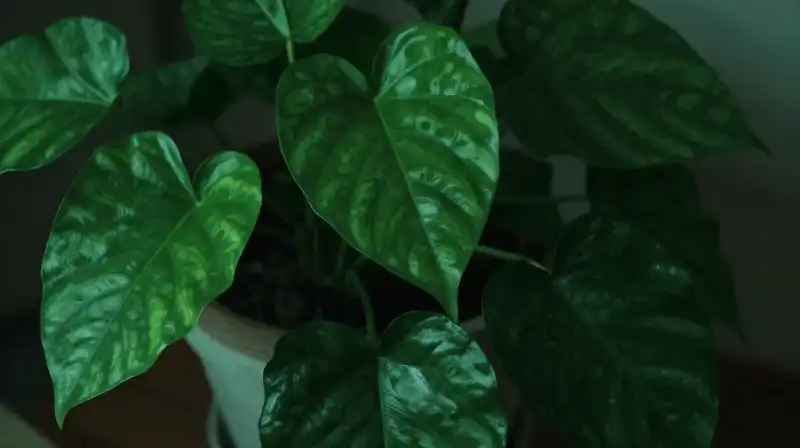
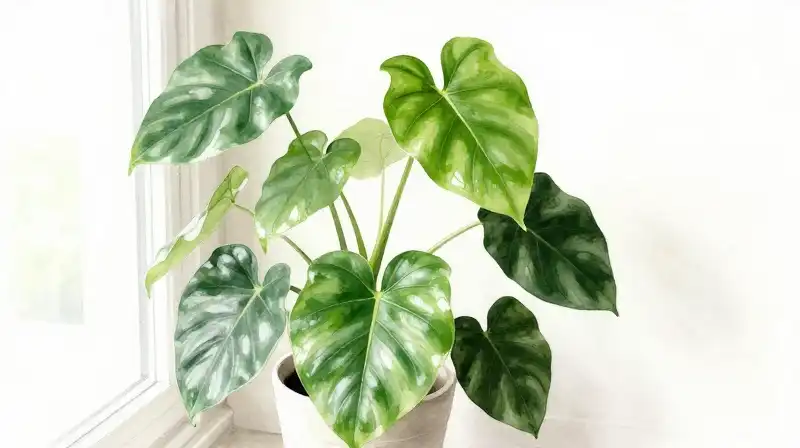
The Lemon Lime Philodendron stands out among indoor foliage plants for its striking, chartreuse hue and its graceful, cascading growth habit. Far more than just another variegated vine, this plant offers a vibrant, tropical accent that brings bursts of citrus color into any indoor space. While many plant owners seek high drama, the Lemon Lime Philodendron is prized for being exceptionally forgiving and easy to manage. However, successfully cultivating this specific variety requires understanding its nuanced needs—particularly concerning its light and water requirements. This guide provides the definitive blueprint for maintaining a healthy, lush Lemon Lime Philodendron, moving beyond basic tips to offer actionable insights on maximizing its vibrant color and preventing common cultivation issues.
The Optimal Environment: Light and Temperature
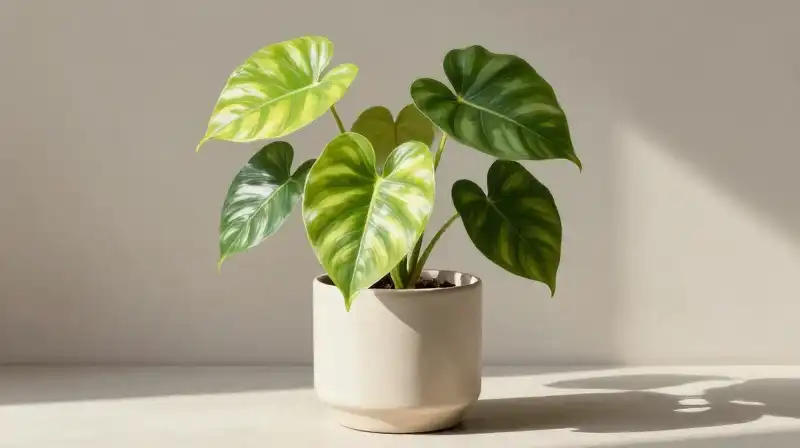
The primary driver of the Lemon Lime Philodendron’s success is light, which directly influences the intensity of its unique yellow coloring. While the plant thrives in consistent bright, indirect light, it is important to understand the implications of reduced light levels.
Ideal Light Requirements:
- Indirect Bright Light: This is the sweet spot. Place the plant near a window (typically east or west-facing) where it receives plenty of light without the harsh, direct rays of the midday sun.
- Low Light Survival: The Lemon Lime Philodendron can survive in lower light conditions, but this comes at a cost. The plant will likely allocate its energy to survival, resulting in slower growth and notably more “leggy” vines—longer, thinner stems with less foliage.
- Sun Protection: Always avoid placing the plant in direct sunlight. The intense rays can quickly scorch and burn the delicate foliage, leading to permanent, bleached patches.
Temperature and Airflow:
This tropical plant prefers standard household temperatures. It should be maintained above 55°F. Crucially, placement away from extreme temperature fluctuations—such as drafts from heating vents or AC units—is essential for its stability and health. Good air circulation is also beneficial, as it helps deter common pests and supports efficient photosynthesis.
Strategic Watering and Feeding
The most frequent cause of decline for houseplant owners is inconsistent watering. The Lemon Lime Philodendron requires consistent care, but “consistent” does not mean “daily.” Overwatering is its most common killer, leading to root rot.
Watering Protocol:
Instead of adhering to a rigid schedule, rely on the soil’s dryness. Allow the top 50% of the potting mix to dry out completely before thoroughly re-moistening the entire root ball. This allows the soil to breathe and prevents stagnant moisture around the roots. The watering frequency must be adjusted seasonally:
- Growing Season (Spring/Summer): Increase watering frequency as the plant actively grows and uses more moisture.
- Dormancy (Fall/Winter): Decrease watering significantly, allowing the soil to dry out more completely between waterings.
Nutrient Management:
To support its vigorous growth during the active growing season, fertilization is necessary. Use a diluted liquid fertilizer every two weeks. This consistent, measured feeding provides the nutrients needed to maintain its vibrant color and robust structure.
Maintenance and Pest Prevention
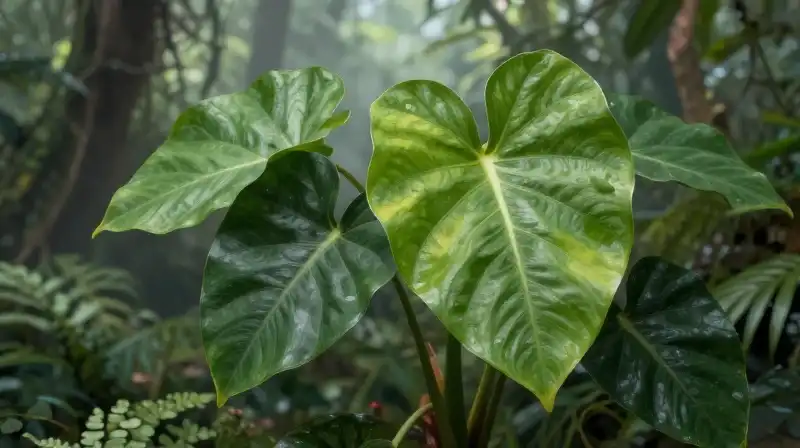
Consistent maintenance not only enhances the aesthetic appeal but also serves as a preventative measure against disease and pests. These two practices—pruning and cleaning—are vital for the long-term health of your Lemon Lime Philodendron.
Pruning for Health and Aesthetics:
Pruning serves multiple functions: it maintains the plant’s shape, prevents overgrowth, and encourages a fuller, lusher base. Regularly remove any leaves that are clearly dead, damaged, or have turned an unhealthy color. Additionally, strategically trimming excessively long or sprawling vines helps concentrate the plant’s energy into a healthier canopy.
Cleaning and Inspections:
Dust accumulation on the leaves blocks light and impedes the plant’s ability to photosynthesize efficiently. Periodically wipe the leaves with a damp cloth. Furthermore, regular, thorough inspections of the stems and leaf junctions are necessary to catch early signs of common pests:
- Mealybugs: Small, white, cottony fluff.
- Scales: Small, hard, brown, or black bumps.
- Spider Mites: Tiny pests that often leave behind fine webbing.
Addressing Common Care Mistakes and Symptoms
Recognizing the symptoms of distress is the key to quick recovery. A quick glance at the foliage can often diagnose an issue before it becomes catastrophic.
Symptom Analysis:
The following table outlines the most frequent signs of trouble and the practical steps to take:
| Symptom | Likely Cause | Action Plan |
|---|---|---|
| Yellowing Leaves | Overwatering or inconsistent moisture. | Allow the soil to dry out more thoroughly before watering again. Check for root rot. |
| Wilting or Browning Leaves | Insufficient moisture (underwatering). | Water the plant deeply, ensuring the soil is fully saturated. |
| Sparse, Extended Growth (Legginess) | Insufficient light. | Relocate the plant to a location with bright, indirect sunlight. |
Toxicity and Environmental Limits
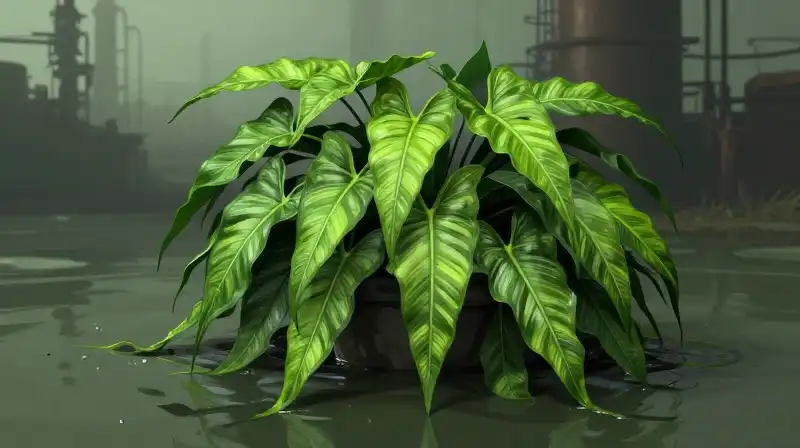
While the Lemon Lime Philodendron is generally considered robust, it is vital to be aware of its inherent limitations and potential dangers.
It is important to note that this plant is toxic to both humans and pets. This is due to the presence of insoluble calcium oxalates, which can cause irritation if ingested. Keep the plant out of the reach of children and curious animals.
Growth Constraints:
Though resilient, the plant’s natural variegation and growth pattern mean it should be viewed as an accent rather than a massive foliage cover. Its cascading nature thrives when allowed to trail, but it should be supported if the stems become too heavy.
Is the Lemon Lime Philodendron Rare?
While the term “rare” often suggests scarcity, the Lemon Lime Philodendron is not considered a rare plant in the broader sense; rather, it is a highly sought-after and popular variety within the world of houseplants. Its specific chartreuse and lemon hue makes it a favored choice among plant collectors. Its availability is high in specialized nurseries and online retailers, meaning the primary difficulty in acquiring it is not rarity, but rather ensuring you purchase a healthy specimen that aligns with your desired growth vigor.
Summary of Success: The Maintenance Mindset
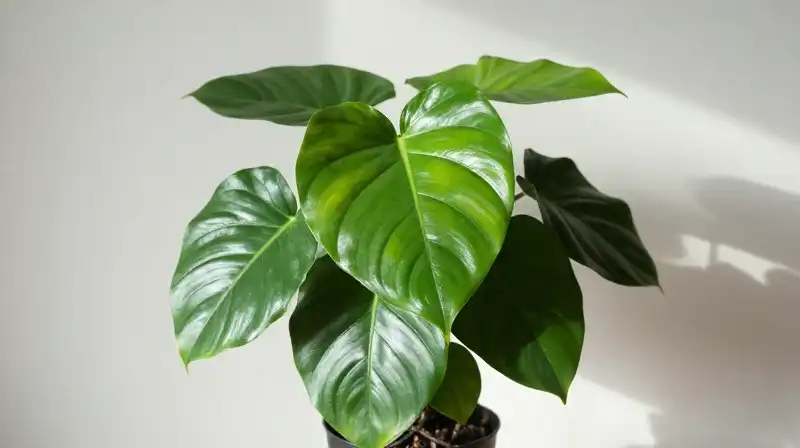
Thriving with a Lemon Lime Philodendron is less about perfection and more about establishing a consistent, observant care rhythm. Your success will hinge on two crucial pillars: providing consistent, bright indirect light to maintain its vibrant color, and adopting a proactive, observation-based watering schedule (letting the top 50% dry out) rather than a strict calendar. By diligently inspecting for pests, pruning dead weight, and ensuring the plant is safely removed from direct sun and out of reach of pets, you guarantee a long, lush, and vibrant life for your citrus-toned vine.
Frequently Asked Questions
Is the lemon lime philodendron rare?
The Lemon Lime Philodendron is not considered a rare plant in the broader sense, but it is a highly sought-after and popular variety within the world of houseplants. Its availability is high in specialized nurseries and online retailers.
Related Articles