Growing White Lace Orlaya: Planting and Care Guide

Introduction
The White Lace Orlaya is a distinctive annual flower celebrated for its delicate, lacy appearance, making it a popular choice for both large garden displays and detailed floral arrangements. Belonging to the Apiaceae family, these plants thrive in temperate climates, offering a sustained bloom that spans the spring, summer, and fall. Successful cultivation relies on understanding its specific needs, from light exposure to initial sowing techniques. This guide provides a comprehensive overview of how to plant, nurture, and maintain White Lace Orlaya, ensuring optimal development and a lush, cloud-like bloom.
Optimal Growing Conditions for Orlaya
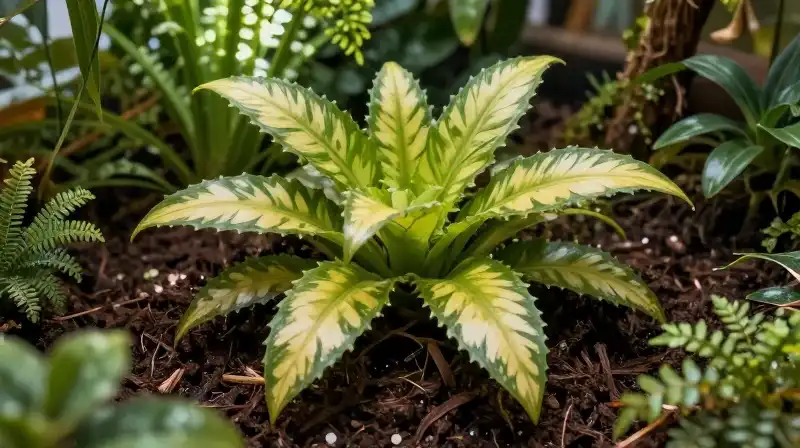
Orlaya requires specific environmental conditions to reach its full ornamental potential. It is a robust annual that demonstrates tolerance to light frost, which allows it to bloom across various seasons, but maximizing its health requires maximizing sunlight and consistency.
Light and Climate
The variety of White Lace Orlaya must be planted in a location that provides full sun. Consistent, intense sunlight is necessary for the plant to produce the fine, characteristic lace structure of its umbels. While the plant is known for its resilience and ability to withstand light frost, avoiding sudden, severe temperature shifts during the early growth stages will promote stronger, more consistent growth.
Timing and Soil
As an annual, Orlaya is ideal for direct planting in your garden. When selecting a spot, choose soil that allows for good drainage, as consistently moist but not saturated soil is critical for the early development of seedlings. Because the plant is generally robust, it is well-suited for various regions, provided the full sun requirement is met.
Propagating White Lace Orlaya: From Seed to Garden
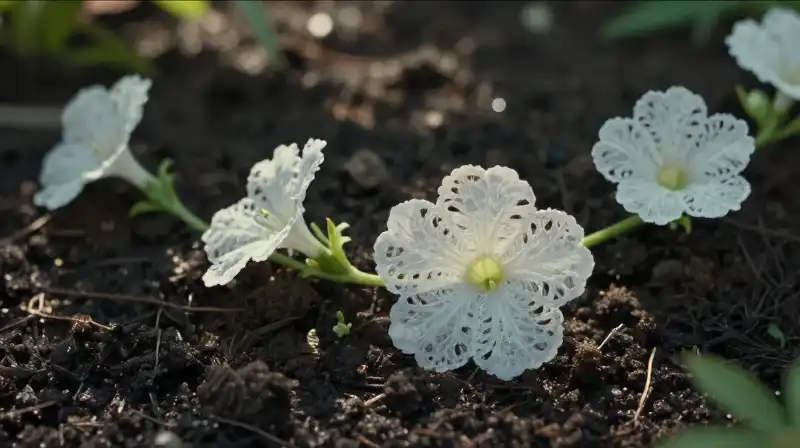
Starting Orlaya is typically done from seed. You have two primary options: direct sowing in the garden, or starting indoors if you prefer to manage the initial stages of growth.
Direct Sowing Techniques
For ease of maintenance and to achieve the natural root structure, direct sowing in the garden is the recommended approach. When seeding, the seeds should be broadcast thinly across the intended garden area. A very light covering of soil—never exceeding 1/4 inch—is all that is required to protect the seed from birds while allowing it to sprout.
Starting Seeds Indoors
If you wish to start indoors, begin the process 4 to 6 weeks before the expected final frost date. This gives the seedlings adequate time to establish a small, resilient root system before being transplanted outside. Ensure the soil used indoors is consistently maintained at a moderate moisture level to encourage germination.
Planting and Establishing Optimal Density

Initial planting density is a critical factor in the long-term success of Orlaya. Overcrowding can lead to weak plants and reduced bloom quality, while proper spacing ensures air circulation and adequate nutrients for each individual plant.
Seeding and Initial Spacing
When direct sowing, seeds should be spaced approximately 2 to 3 inches apart when first broadcast. This initial loose spacing is intended to allow for adequate root development and to facilitate the crucial thinning process.
The Thinning Requirement
Seedlings must be carefully thinned once they have established themselves and before they become overcrowded. If plants are left too close together, they will compete for limited water and nutrients, resulting in stunted growth and less vibrant white lace blooms. After thinning, the recommended final spacing between established, mature plants is 6 to 8 inches.
Ongoing Orlaya Care and Maintenance
Maintaining healthy Orlaya involves consistent, focused care, particularly in the early growing season and throughout its productive life cycle.
Water Management
Seedling development is particularly sensitive to moisture levels. Consistent soil moisture is crucial during the initial weeks. As the plants mature, they require regular watering, especially during periods of high heat. However, avoid waterlogging, which can encourage root rot.
Maintenance and Weeding
Initial care demands attentive weeding. Competing ground cover can divert essential nutrients and water from the developing Orlaya seedlings. Furthermore, regularly monitoring for pests and ensuring clean plant growth helps maintain the pristine appearance characteristic of these lacy flowers.
Understanding Orlaya Nuances and Considerations

Like all natural horticultural products, Orlaya has characteristics that vary based on environmental factors. It is important to understand these nuances when cultivating or purchasing the plants.
Natural Variation in Appearance
Due to the nature of growing these plants, the precise shade of the White Lace Orlaya may differ slightly from expected standards. Furthermore, as a natural product, you may occasionally encounter plants arriving in a perceived ‘thirsty’ or dormant state if they were harvested during transitional seasonal shifts. This variability is part of natural horticulture.
Different Applications (Orlaya for Sale)
While commonly grown in gardens, Orlaya’s vintage look and pure white lace structure make it a popular choice in professional settings. It is frequently utilized in wedding floral arrangements and other event decor, appealing to those seeking a delicate, romantic aesthetic.
Summary of Best Practices

To ensure your Orlaya garden thrives, the focus must be on providing full, uninterrupted sun and managing the critical transition from seedling to established plant. Prioritize consistent moisture for young plants, followed by diligent thinning to achieve the ideal 6 to 8-inch mature spacing. By paying close attention to the initial sowing method and the necessary thinning process, you will maximize the chances of achieving robust, beautiful, and sustained white lace blooms throughout the growing season.
Explore more: Traditional Día de los Muertos: Symbols, History, and Custom
How to Plant and Maintain White Lace Orlaya
Prepare the Soil and Location
Select a location that receives full, consistent sunlight and ensure the soil allows for good drainage.
Broadcast the Seeds
Directly sow the Orlaya seeds, broadcasting them thinly across the intended garden area.
Apply Seed Covering
Cover the seeds with a very light layer of soil, ensuring it does not exceed 1/4 inch.
Establish Initial Spacing
Space seeds approximately 2 to 3 inches apart when first broadcast to allow for root development.
Thin the Seedlings
Thin seedlings carefully once they have established themselves and before they are overcrowded, resulting in a final spacing of 6 to 8 inches.
Manage Early Moisture
Maintain consistent soil moisture during the initial weeks of development for seedlings, avoiding waterlogging.
Maintain Garden Health
Perform attentive weeding to prevent nutrient loss and regularly monitor plants for pests.
Nurture Mature Plants
Continue watering mature plants regularly, especially during high heat, while strictly avoiding waterlogging.
Related Articles