How a Herb Spiral Garden Creates Diverse Microclimates

Introduction
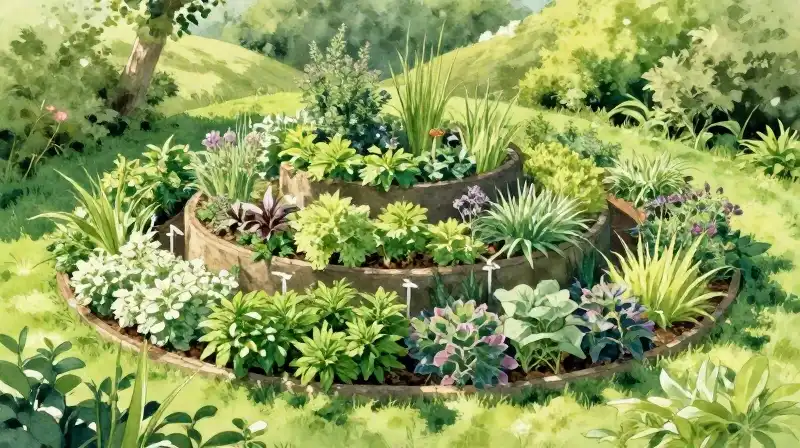
An herb spiral is more than an aesthetically pleasing garden feature; it is a highly efficient permaculture installation designed to solve the challenge of maximizing diverse productivity in a limited space. The core genius of the design lies in its ability to manipulate environmental factors—sun, water, soil, and temperature—within a single compact structure. Instead of offering a homogeneous growing environment, the spiral intentionally creates a series of distinct microclimates. By utilizing a winding, sloping incline, the herb spiral allows gardeners to strategically place plants that require fundamentally different conditions, from heat-loving sun-bathers to those preferring cooler, damper pockets.
How Incline and Elevation Create Microclimates
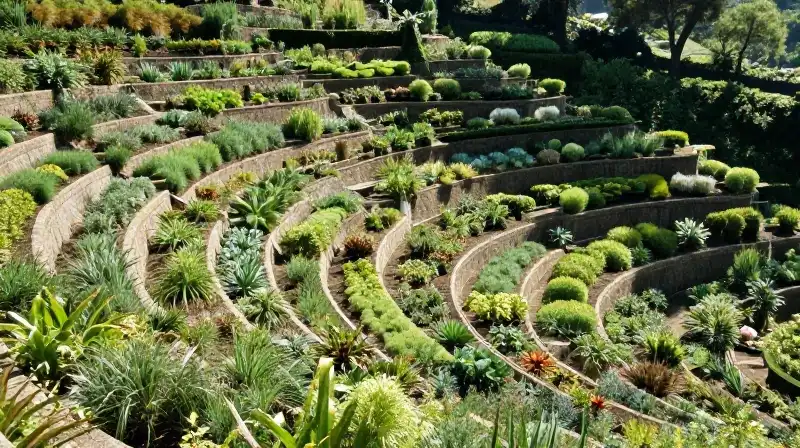
The primary driver of microclimate diversity in an herb spiral is the variation in elevation. As the structure winds upward, the exposure to direct sunlight and the resulting heat retention change dramatically across the layers. Plants placed higher up or facing open sections receive maximum solar exposure, mimicking a sunny, drier upland environment. Conversely, plants tucked into the interior curves or placed lower down are naturally shaded and benefit from the cooler air pockets and increased humidity trapped within the structure. This subtle shift in topography ensures that even in a small footprint, you can grow both drought-tolerant Mediterranean herbs in the sun and shade-tolerant culinary greens in the sheltered sections.
Controlling Moisture Through Layered Soil Dynamics
Water management is perhaps the most critical functional element of the herb spiral. Unlike standard raised beds where water might pool or drain too rapidly, the spiral uses a combination of bulk soil, organic compost, and strategically placed stone layers to control moisture movement. The foundation typically consists of a deep layer of drainage rock. This layer prevents waterlogging and allows excess runoff to percolate downwards. As the spiral winds, the soil layers are intentionally varied, with sections designed to retain more moisture (often near the shaded, lower sections) and others built with more porous, grit-heavy soil to manage drainage. This controlled variation prevents the common gardening issue of root rot in wet spots or drought stress in dry spots.
Leveraging Thermal Mass for Climate Buffering
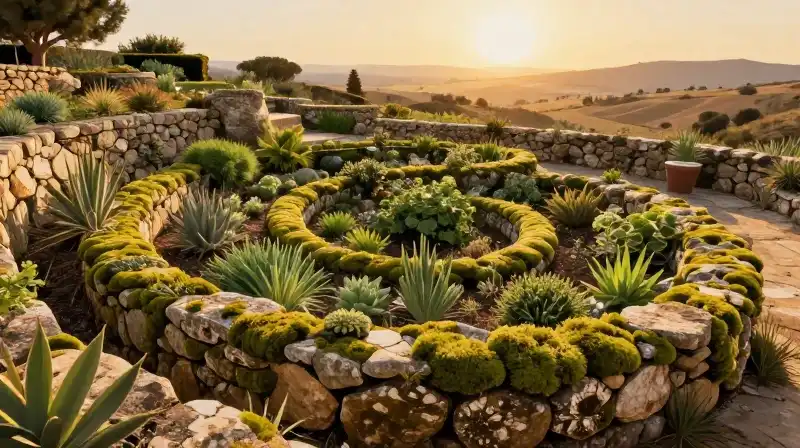
A significant benefit of constructing a spiral with materials like bricks or heavy stone is the introduction of thermal mass. These materials have the property of absorbing solar energy during the peak heat of the day and slowly radiating that heat back into the soil and air during the cooler evening hours. This process acts as a natural climate buffer. For plants, this means the spiral can gently warm up the local environment, particularly during chilly spring nights or mild winter days, allowing tender herbs and dwarf vegetables to survive conditions they might otherwise struggle with in an open garden setting.
The Intersection of Microclimates and Plant Selection
To maximize the success of your spiral herb garden layout, you must assign plant types based on the intended microclimate of each section. This is not merely a matter of proximity but a strategic placement decision:
- The Sunniest/Highest Sections: Ideal for heat-lovers and drought-tolerant species (e.g., Rosemary, Thyme, Sage).
- The Shaded/Lower Sections: Best for moisture-loving or partial-shade plants (e.g., Mint, Chives, certain Lettuces).
- Transitional Sections: Suitable for hardy herbs that tolerate moderate fluctuation (e.g., Oregano, Tarragon).
Integrating the Herb Spiral into Permaculture Zone One
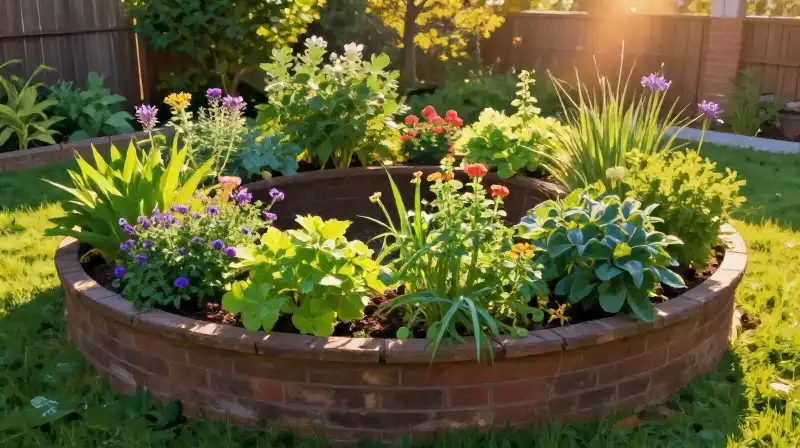
For the herb spiral to function optimally as a productive kitchen garden, it should be situated in Permaculture Zone One—the area closest and easiest to access. Placing the spiral near the kitchen allows for frequent, convenient harvesting, which encourages consistent plant health and maintenance. When planning the dimensions and layout, ensure the spiral is positioned to maximize its exposure to the prevailing sun, while the winding paths allow you to easily navigate the varying sections for harvesting and care.
Practical Considerations for Construction and Durability
Building a spiral requires careful planning to ensure the drainage and structural integrity remain stable over time. While the spiral design is fundamentally low-maintenance, initial construction needs to be robust:
- Foundation: Start with a wide perimeter and a thick layer of angular drainage rock to ensure the structure remains stable and allows for proper water percolation.
- Layer Building: Use minimal mortar, focusing instead on the structural placement of bricks or stones. Filling the gaps with a mix of varied organic compost and sub-topsoil is key to creating the necessary soil diversity in each section.
- Maintenance: Over time, plants will begin to block drainage pathways. Periodic weeding and adding fresh, balanced compost to the upper layers helps maintain soil fertility and airflow within the microclimates.
Synthesis: Key Principles for Spiral Success

The success of your herb spiral garden depends not on the materials used, but on your ability to utilize the structure’s inherent environmental forces. When designing or evaluating a spiral, ask these critical questions:
- Is the slope sufficient? (Ensures effective runoff management.)
- Are the sun exposures varied? (Guarantees a diverse range of microclimates.)
- Is the plant placement intentional? (Do sun-lovers occupy the hottest zones and shade-tolerants the cooler pockets?)
- Is the thermal mass utilized? (Are heavy, heat-retaining materials used to buffer temperature swings?)
A well-designed herb spiral provides a dynamic, self-regulating ecosystem that maximizes productivity by creating a functional tapestry of diverse environments within a compact footprint.
How to Construct and Maintain an Herb Spiral
Plan the Location
Position the herb spiral in Permaculture Zone One, ensuring it is easily accessible for frequent harvesting and optimized to maximize exposure to the prevailing sun.
Lay the Foundation
Begin construction by setting a wide perimeter and laying a thick layer of angular drainage rock to ensure the structure remains stable and permits proper water percolation.
Build the Layers
Use minimal mortar, focusing on the structural placement of bricks or stones, then filling the gaps with a varied mix of organic compost and sub-topsoil to create soil diversity in each section.
Maintain the Structure
To ensure long-term health, periodically weed the spiral and add fresh, balanced compost to the upper layers to maintain soil fertility and airflow within the microclimates.
Related Articles