How to Grow Black Cherry Tomatoes: Care and Planting Guide

Introduction
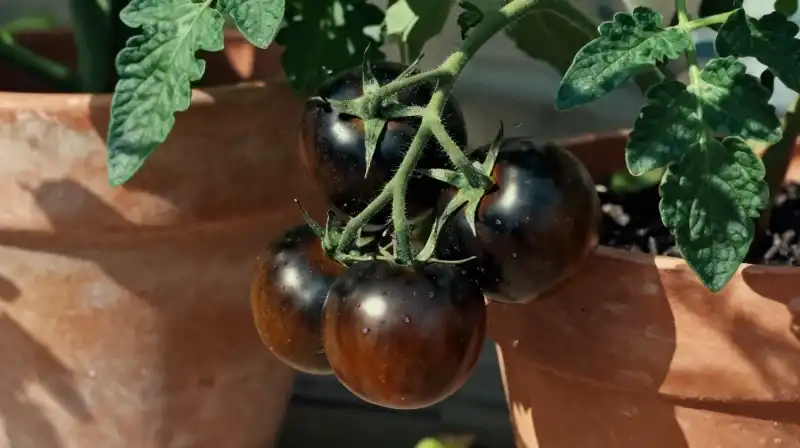
Growing black cherry tomatoes offers rewards far beyond standard heirlooms, providing intense, complex sweetness combined with the striking visual appeal of deep mahogany or purple coloration. This variety is specifically noted for its 1-inch, round fruits and vigorous, sprawling growth habit. Because these tomatoes are indeterminate, they continue to bear fruit over a long growing season, but their unique needs—especially regarding early start dates, soil quality, and robust support—require careful planning. Successful cultivation begins by understanding that you are growing a perennial-like climber that demands specific conditions from seed to harvest.
Starting from Seed: The 6-8 Week Timeline
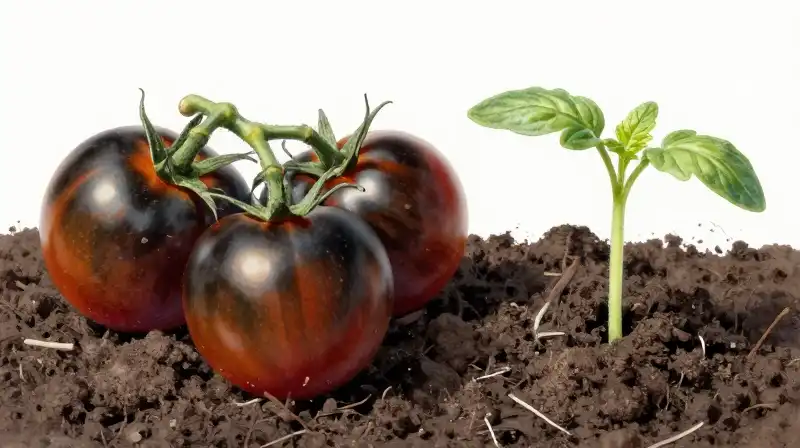 The most critical step in growing black cherry tomatoes is initiating the process early. Unlike short-season types, this variety needs a significant head start to reach maturity before the summer heat peaks. You must commence seed production approximately six to eight weeks before your local area’s last reliably warm outdoor temperatures reach 55°F (13°C). In a controlled warm starting mix (ideally maintained at 80°F/27°C), seeds should be sown 1/4 inch deep. Once the initial seedlings emerge, they are typically established in 4-inch pots. You can gently thin these seedlings to ensure they are spaced about 1 inch apart before moving them into the main soil.
Optimal Soil and Transplant Preparation
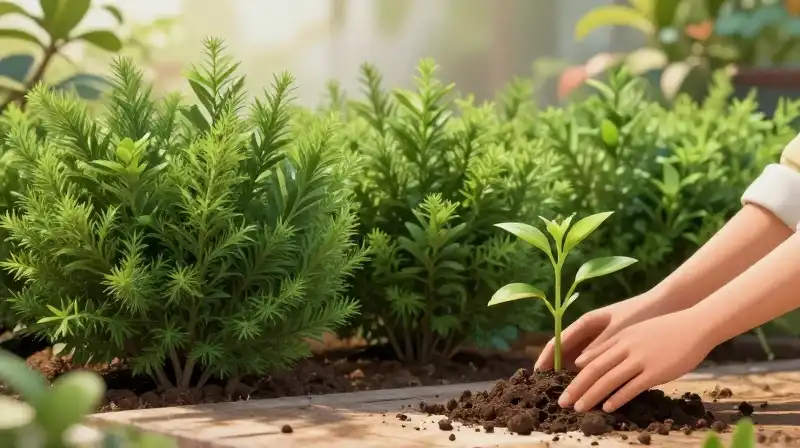
Before transplanting, the soil must be robust enough to handle the vigorous root structure of a sprawling tomato. The ideal soil environment is well-drained, preferring rich loam or well-drained clay, and must be rich in organic matter—incorporating aged manure or compost is strongly recommended. When ready to move the potted seedlings into the garden, place them directly into the rich soil. A key horticultural rule for tomato transplanting is to bury the stems up to the base of the leaves; the stems of tomatoes have the ability to produce roots along the cut edges.
Decision Guide: Indeterminate Growth and Spacing
A key characteristic of this specific variety is its indeterminate nature. This means the plant will not finish its fruiting cycle in a concentrated burst; rather, it will continuously grow and produce clusters of fruit throughout the season. This growth habit dictates all subsequent care. The planting density must be significantly wider than that of determinate types. To allow this vigorous growth to thrive and prevent overcrowding, plants require a minimum spacing of 3 feet (90cm) between each plant. This generous spacing ensures adequate airflow, which is crucial for preventing fungal diseases.
Choosing the Right Support System
Because black cherry tomatoes are vigorous climbers, they require permanent and sturdy support from the moment they are planted. Installing tall wire cages or robust stakes early is essential. Staking for indeterminate varieties should involve placing supports every two to three plants and securing them with twine to sandwich the plant between two sides of the row. Do not wait until the plants are already sprawling; establishing the support structure early makes the subsequent work much easier.
Essential Maintenance: Light, Feed, and Water
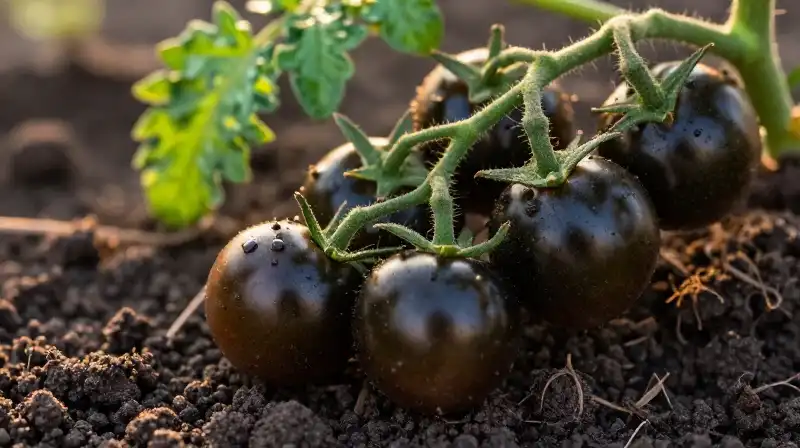 Proper cultural care ensures the plants can support their long, sprawling growth habit and maintain the rich flavor profile these tomatoes are known for.
Sun and Soil Health
Tomatoes demand full, unobstructed sun exposure. They need at least six to eight hours of direct sunlight daily to promote robust plant growth and the proper development of their characteristic deep color. To maintain nutrient availability, apply a half-strength fertilizer every two weeks during the early vegetative stages. While tomatoes are feeders, it is essential to avoid excessive nitrogen, which encourages bushy foliage at the expense of fruit yield.
Mulching and Hydration Management
Once planted, applying a layer of organic mulch is highly recommended. Mulch helps stabilize the soil temperature, retains consistent moisture, and provides a barrier against soil-borne pests. Regarding watering, consistency is paramount. Water deeply and regularly, especially during dry spells. However, a major pitfall in tomato growing is overwatering during the ripening phase. Once the fruit begins to set and mature, adjust watering practices to ensure the soil is consistently moist, but never waterlogged.
Troubleshooting, Pests, and Disease Prevention
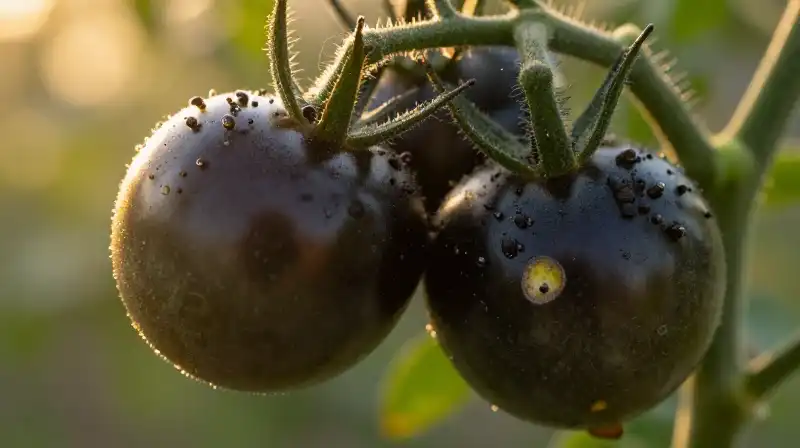 Even with optimal care, tomatoes can face challenges. Vigilance is the best defense against common garden issues. Common pests that target tomato plants include:
- Hornworms
- Aphids
- Whiteflies
- Flea beetles
Management strategies involve using natural predators when possible, removing pests by hand, or using targeted treatments like spinosad. Diligent monitoring for signs of various diseases—which are often exacerbated by poor air circulation or damp conditions—and practicing crop rotation are the most effective preventative measures.
Harvesting and Long-Term Storage
Black cherry tomatoes are best enjoyed when they have reached full, characteristic ripeness. This means the fruit has fully developed its distinct deep purple or mahogany-brown coloration. While they can be harvested slightly before this point and ripen indoors (in temperatures above 70°F), waiting for the characteristic color ensures the most intense, complex flavors. Because this is an indeterminate variety, you will harvest clusters of fruit continuously over a long season. For short-term storage after harvest, maintain conditions between 55°F and 70°F with approximately 95% relative humidity to help the fruit retain flavor and quality.
Synthesis: Prioritizing Success for Black Cherry Tomato Varieties
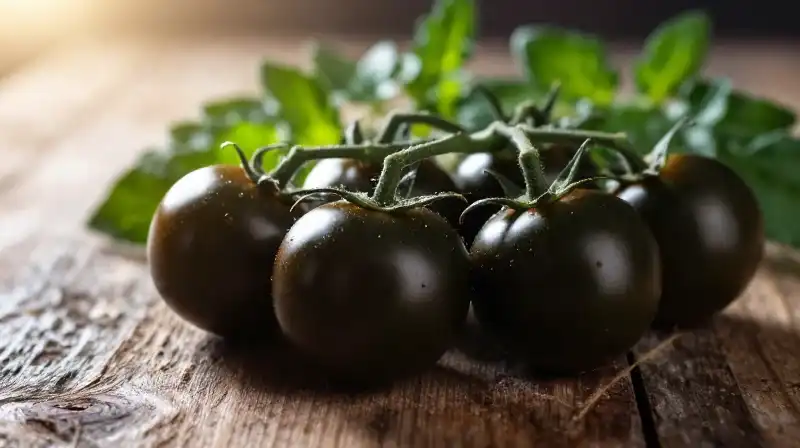 Cultivating these specific black cherry tomato varieties is a demanding but rewarding task. To ensure a bountiful crop of these richly flavored, deeply colored tomatoes, two factors must be prioritized above all others: **the 6-8 week head start** and **robust, permanent structural support.** By respecting the indeterminate nature of the plant—providing ample spacing and consistent staking—and focusing on consistent moisture without overwatering during the final ripening stage, you will maximize the flavor and yield of this unique heirloom-style crop.
How to grow black cherry tomatoes
Starting Seeds
Commence seed production six to eight weeks before the last reliably warm outdoor temperatures reach 55°F (13°C). Seed should be sown 1/4 inch deep in a controlled warm starting mix maintained at 80°F/27°C, and then thin to 1-inch spacing before transplanting.
Prepare Soil and Transplant
Prepare garden soil by ensuring it is rich in organic matter and well-drained. When ready, place the potted seedlings into the soil, burying the stems up to the base of the leaves to encourage rooting.
Manage Spacing and Support
Maintain a minimum spacing of 3 feet (90cm) between plants. Install permanent wire cages or robust stakes early, placing supports every two to three plants and securing them with twine.
Ensure Sunlight and Nutrients
Provide full, unobstructed sunlight (at least six to eight hours daily). Apply a half-strength fertilizer every two weeks during early vegetative stages while avoiding excessive nitrogen.
Mulch and Hydrate
Apply a layer of organic mulch to stabilize soil temperature and retain moisture. Water deeply and consistently, ensuring the soil is moist but never waterlogged during the fruit ripening phase.
Monitor for Pests and Disease
Diligent monitoring is key. Use natural predators or targeted treatments (like spinosad) for pests such as hornworms and aphids, and practice crop rotation to prevent fungal diseases.
Harvest the Fruit
Harvest the clusters of fruit continuously over the long season when the tomatoes have fully developed their characteristic deep purple or mahogany-brown coloration.
Related Articles