Grow Pink Iris: Expert Tips for Maximum Bloom and Care

Introduction
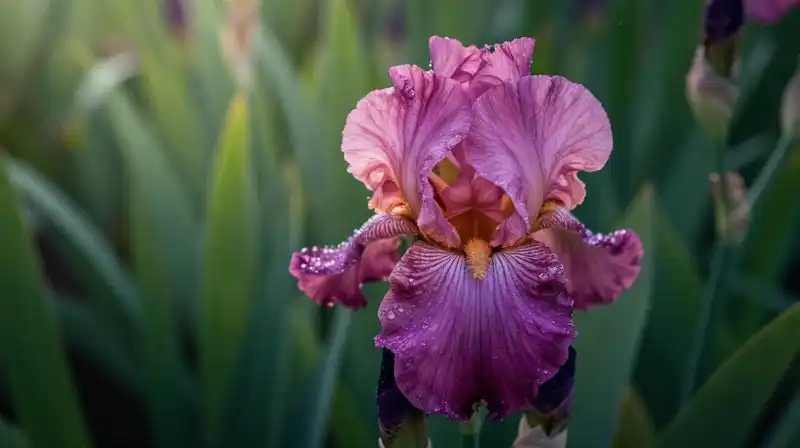
Pink irises are prized garden additions, celebrated not only for their vibrant, eye-catchily colored petals but also for the vigorous, substantial clumps they form. If you aim for maximum bloom potential, the secret lies in moving beyond basic gardening steps and applying targeted care that aligns with the plant’s specific growth cycle. Successful cultivation begins with understanding that these rhizomes develop dramatically from a young age, requiring precise environmental triggers to reach their full impressive potential.
Choosing the Right Pink Iris Variety and Location
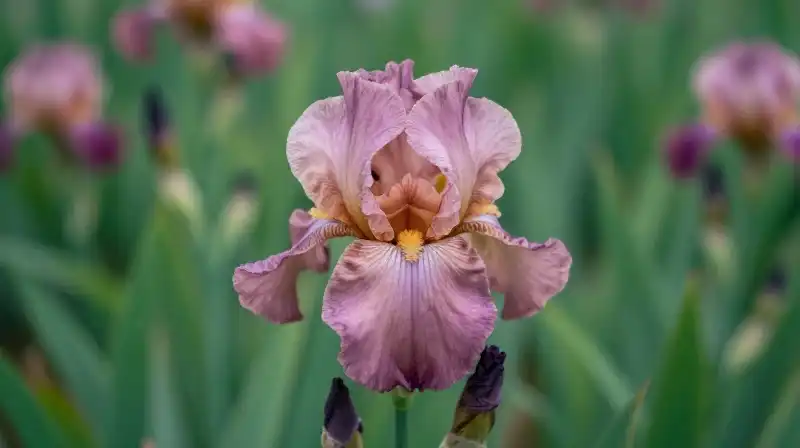 When selecting a pink iris plant, consider its specific blooming window and light requirements. Different varieties, whether you are seeking a hot pink iris for sheer dramatic impact or a softer dark pink iris, have nuances in their growing needs.
Optimal Sunlight Requirements
Achieving “maximum bloom” starts with light. While some varieties are more adaptable, irises thrive in full sun. Aim for a location that receives a minimum of six hours of direct sunlight daily. Partial shade can cause weaker stems and reduced flower count, whereas intense, dappled shade may inhibit the necessary photosynthetic energy for robust blooming.
Soil and Environment Considerations
Irises prefer well-draining, loamy soil. High humidity is beneficial for many iris varieties, helping to maintain turgidity and improve bloom quality. To ensure optimal results, especially if you are growing in a climate with drier spells, incorporate organic matter like well-aged compost into your soil to improve both structure and moisture retention.
Detailed Planting Instructions for Vigorous Growth
Proper planting is critical for initiating the dramatic developmental phase of the rhizome. Don’t simply toss the plants in the ground; the depth and spacing dictate how the plant establishes its vigorous clumping.
- Timing: Plant your pink iris varieties after the risk of hard frost has completely passed, ideally in early spring. Planting too early risks damaging the tender, nascent growth.
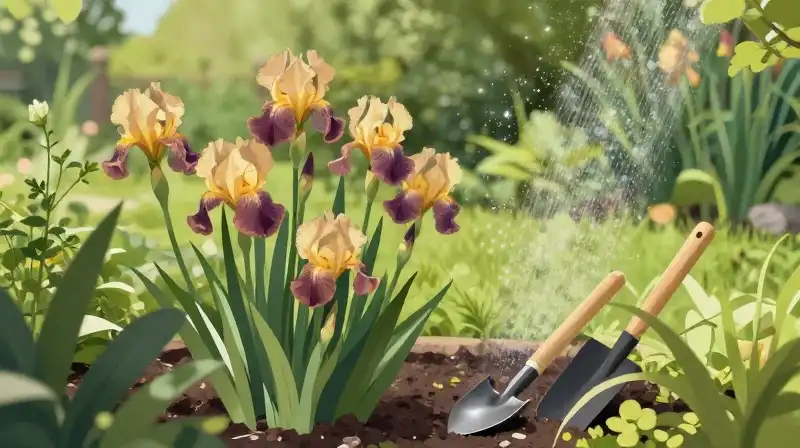
- Preparation: Dig a hole roughly twice as wide as the current clump (if planting a young rhizome) and deep enough to accommodate the rhizome while allowing 2 to 4 inches of soil to remain exposed above the surface.
- Placement: Position the rhizome with its “eyes” (growth points) facing upwards. Ensure the rhizome is well-anchored and covered gently with the prepared soil.
- Spacing: Leave at least 12 to 18 inches between individual plants. Overcrowding significantly restricts root development, leading to smaller blooms and weaker overall clumps.
Optimizing Care for Repeat Bloomers
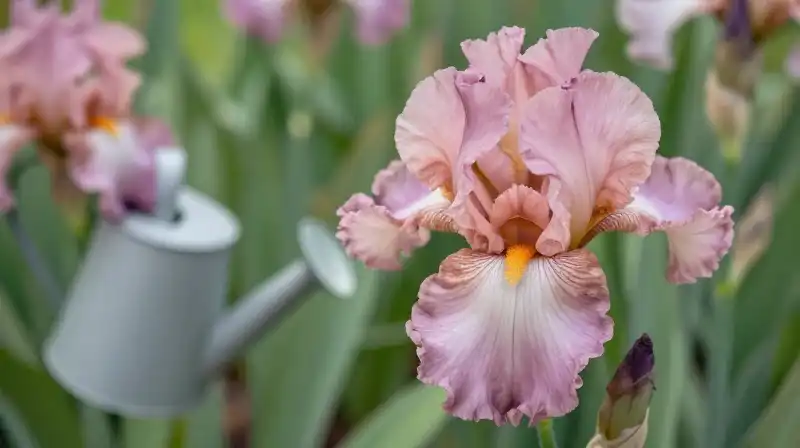 Once established, the maintenance routine must be precise. Pink iris plants are excellent repeat bloomers, but careful attention to their cyclical needs ensures continuous, impressive flowering year after year.
Critical Maintenance Regimen
The primary goal of maintenance is managing water and nutrients without stressing the plant.
- Watering: Water deeply and consistently, especially during dry spells and when new growth is emerging. Allowing the soil to dry out completely before re-watering can shock the roots, resulting in reduced flowering.
- Nutrients: Apply a balanced, slow-release fertilizer during the initial growth phase. Focus on nitrogen during the vegetative stage (early spring) and incorporate phosphorus once flowering begins to encourage strong blooms.
Warning: Managing Established Clumps
A common mistake for new gardeners is attempting to divide established, healthy irises to achieve more flowers. Never divide established clumps. Dividing a mature iris disrupts the root system, depletes stored energy, and often leads to stunted growth, poor flowering the following season, and reduced vigor. Focus instead on encouraging the clump to naturally spread by maintaining ideal soil conditions.
Addressing Common Growth Concerns (Panda Also Ask Questions)
 Understanding common issues related to pink iris plants helps prevent setbacks and guarantees more consistent, dramatic development.
Can Pink Iris Be Grown in High Humidity?
Yes. High humidity actually favors the thriving and robust development of many iris varieties. It reduces the risk of root stress and helps the foliage remain healthy, supporting the energy required for large, impressive flowers.
Where can I find Pink Iris for Sale?
Pink irises are widely available at specialist nurseries, online botanical retailers, and many large garden centers. Searching for “Pink iris for sale” or “Hot pink Iris” can help narrow down availability, depending on the specific color tone you desire.
Maximizing Your Yield: Strategic Care Checklist
To move from a merely adequate garden to an exceptional display of substantial blooms, follow this strategic checklist:
| Action | Goal | When to Perform |
|---|---|---|
| Verify 6+ hours of full sun | Maximize photosynthesis for larger blooms | Initial planting / Ongoing observation |
| Ensure soil drainage is excellent | Prevent root rot in high-humidity areas | Pre-planting |
| Apply balanced fertilizer | Support vigorous rhizome development | Early spring and mid-bloom |
| Avoid dividing mature plants | Maintain established vigor and clump density | Always |
Synthesis: Achieving Consistent Iris Excellence
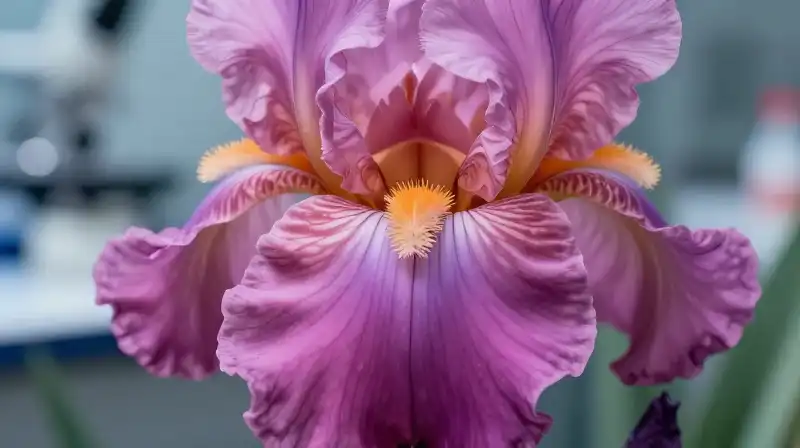 Success with pink irises is a combination of biological understanding and attentive management. Remember that these plants are built for strength; they produce vigorous, substantial clumps when their specific needs—namely full sun, excellent drainage, and consistent, supportive care—are met. By treating the care of your pink iris not as maintenance, but as a strategic enhancement of its natural growth potential, you ensure outstanding blooming results that redefine garden quality.
Explore more: Triquetra Meaning: Unpacking the Symbol of the Celtic Knot T
How to Cultivate Pink Irises for Maximum Bloom
Choose Optimal Location and Soil
Select a spot that receives a minimum of six hours of direct sunlight daily. Incorporate organic matter, such as well-aged compost, into well-draining, loamy soil to improve structure and moisture retention.
Determine Planting Timing
Plant the pink iris varieties after the risk of hard frost has completely passed, ideally in early spring, to avoid damaging the tender growth.
Prepare the Planting Site
Dig a hole roughly twice as wide as the current clump and deep enough to accommodate the rhizome while allowing 2 to 4 inches of soil to remain exposed above the surface.
Position and Space the Plants
Place the rhizome with its growth points ("eyes") facing upwards and cover gently with soil. Leave at least 12 to 18 inches between individual plants to allow for vigorous root development.
Maintain Consistent Watering
Water deeply and consistently, especially during dry spells and new growth. Avoid allowing the soil to dry out completely before re-watering to prevent root shock.
Apply Targeted Nutrients
Apply a balanced, slow-release fertilizer during the growth cycle. Focus on nitrogen during the vegetative stage (early spring) and switch to phosphorus once flowering begins.
Manage Mature Clumps
Never divide established, healthy clumps. Focus on maintaining ideal soil conditions to encourage natural, vigorous spreading and prevent the disruption of the root system.
Related Articles